Beneficial organisms

What is the primary objective of the National Livestock Mission (NLM)?

Livestock Mission

The National Livestock Mission (NLM) is a program the Indian government has put in place to encourage sustainable livestock development and raise livestock output throughout the nation. The National Livestock Mission’s main goal is to increase the income of small and marginal farmers by encouraging good animal husbandry techniques, raising livestock output, and ensuring that livestock receive the right health care and nutrition.

The NLM specifically seeks to accomplish the following goals:

In order to increase the productivity and output of livestock, the mission is focused on encouraging scientific breeding, feeding, and management practices. This entails encouraging the use of high-quality animal feed and fodder and implementing contemporary animal husbandry methods in order to increase the genetic potential of animals.

Providing infrastructure, training, and support for disease control and prevention in order to assist animal health care and disease prevention: The NLM intends to strengthen the delivery system for veterinary healthcare. This covers disease surveillance, the installation of veterinary hospitals and pharmacies, and the development of the skills of veterinary professionals.

Supporting skill development and capacity building for farmers and other stakeholders is one of the goals of the mission, which aims to promote entrepreneurship in the cattle industry. This comprises training courses on managing cattle, adding value, and marketing to increase prospects for making money.
Name a scheme that aims to promote dairy farming and provide financial assistance for the establishment of dairy units.

dairy units

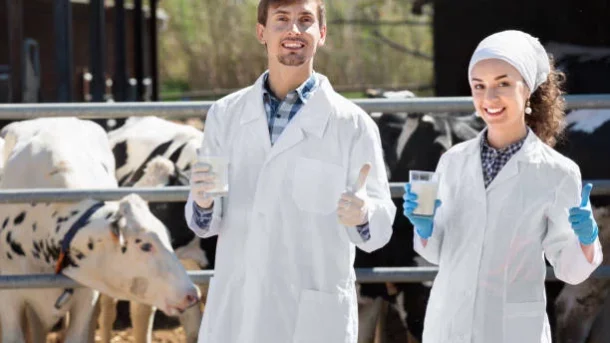
The “Dairy Entrepreneurship Development Scheme” (DEDS) is one program in India that attempts to promote dairy farming and offer financial help for the creation of dairy units. The Ministry of Fisheries, Animal Husbandry, and Dairy is a government agency that oversees the Department of Animal Husbandry and Dairy.

The Dairy Entrepreneurship Development Scheme’s salient characteristics and advantages include:

Financial support: DEDS provides financial support for the development of new dairy units as well as the expansion and modernisation of existing units in the form of capital subsidies and loans. The funding helps with a number of things, including building infrastructure, buying dairy animals, buying equipment, and setting up milk processing and chilling facilities.

Technical assistance and training: The program offers dairy business owners technical assistance and training. It consists of demonstrations on several facets of dairy farming, such as animal nutrition, breeding, herd management, disease control, and milk processing, as well as programs to improve capacity and develop skills.

Which scheme focuses on promoting organic farming practices in India?

promoting organic farming

The “Paramparagat Krishi Vikas Yojana” (PKVY) is a program that promoting organic farming methods in India. The Department of Agriculture, Cooperation, and Farmers Welfare, which is a division of the Ministry of Agriculture and Farmers Welfare, is responsible for implementing the PKVY program.

The Paramparagat Krishi Vikas Yojana’s primary goal is to support and spread among farmers the use of organic agricultural methods. The program’s objectives include expanding the area under organic farming, improving soil fertility, lowering the use of synthetic inputs, and promoting organic farming and environmentally friendly farming methods.

Key elements and goals of PKVY include:

Expansion of the organic farming area: PKVY encourages farmers to embrace organic methods in order to expand the organic farming area. It promotes farmers to transform non-certified organic farms into organic farms.

Building capacity: The program’s main objective is to give farmers training and capacity-building programs in organic farming methods, composting, the use of bio-fertilizers, the management of organic pests and diseases, and other sustainable practices.

Financial support: To help farmers cover the costs of organic growing, PKVY offers financial aid. It includes help with inputs like vermicompost, organic manure, bio-pesticides, and bio-fertilizers. The program also encourages the development of clusters of organic farms.

Which government scheme aims to provide financial assistance to farmers for the purchase of agricultural machinery?

agricultural machinery

The “Subsidy on Agricultural Machinery” program is the name of a government initiative in India that intends to give farmers financial aid for the purchase of agricultural equipment. The Ministry of Agriculture and Farmers Welfare’s Department of Agriculture, Cooperation, and Farmers Welfare is responsible for carrying out this program.

The Subsidy on Agricultural gear Scheme provides farmers with financial aid or subsidies to help them purchase various pieces of agricultural gear and equipment. The goal is to advance mechanization in agriculture, increase production, and raise overall farm operation effectiveness. The program attempts to increase farmers’ access to and affordability of agricultural gear by offering financial help.

According to the terms of this program, qualified farmers can get subsidies that range from 25% to 50% of the cost of machinery or equipment.

Through specific government agencies, agricultural extension offices, or online application portals, farmers can apply for this program. As the federal government just gives guidelines, and the individual state governments carry out the program at the local level, the implementation of the scheme and the distribution of subsidies may differ from state to state.

While the “Subsidy on Agricultural Machinery” is a well-known government program in India, it’s important to keep in mind that there may be other state-specific or regional programs that offer comparable financial help for the purchase of agricultural machinery. Farmers are advised to inquire about specific programs offered in their region with the relevant authorities or their local agricultural department.

How do climate conditions affect the timing of planting and harvesting?

planting and harvesting

Temperature: The right time to grow and harvest crops is greatly influenced by temperature. For best growth and development, various crops require particular temperature ranges. When deciding when to start planting and harvesting, farmers take the typical temperatures during particular times, such as spring or fall, into consideration. When the soil has adequately warmed up, crops that need higher temperatures, such maize or tomatoes, are often planted. Similar to this, to prevent damage, crops that are vulnerable to frost, such some vegetables, are often planted after the final anticipated frost date.

Frost-Free Period: The amount of time between the last spring frost and the first fall frost, known as the “frost-free period,” affects the growing season and establishes when to plant and harvest.


Rainfall: Successful seed germination and early crop growth depend on sufficient soil moisture. When choosing when to plant, farmers take into account the frequency of rainfall and the accessibility of water for irrigation. In seasons with minimal rainfall, planting too early can lead to poor germination, and planting later in a season with plenty of rain can lead to yield losses since the growing season is reduced.

Growing degree days (GDD) are a measurement of the amount of heat that has collected above a certain temperature threshold. They give an estimate of the amount of thermal time needed for crop development and growth. GDD calculations are used by farmers to monitor crop growth and choose the best window for planting and harvesting.

How does climate influence the choice of crops and farming systems in different regions?

crops and farming

Temperature: A key element in determining the adaptability of a crop is temperature. Temperature requirements for the germination, development, and reproductive stages vary depending on the crop. While maize, soybeans, and cotton do better in warmer areas, crops like wheat, barley, and oats prefer cooler conditions. When choosing crops and farming that are appropriate for their region, farmers take into account the typical temperatures, seasonal changes, and frost-free periods.

Rainfall patterns have an impact on crop choices and farming practices. Farmers chose crops and farming based on the amount and distribution of rainfall in their location since crops have different water requirements. Crops like rice and tropical fruits can be grown in regions with abundant and even rainfall. Drought-tolerant plants like sorghum or techniques like dryland farming may be used in areas with little rainfall.


Seasonal Variation: The selection of crops is influenced by the length and distribution of the growing seasons. While certain crops need extensive growth seasons free from frost, others can manage shorter growing seasons or even survive cold. When choosing crops, farmers must take the length and timing of the frost-free period into account. Crop varieties that mature quickly or early are frequently chosen in climates with brief growing seasons to assure fruitful harvests.

Climate has an impact on soil properties such as the availability of nutrients and moisture. Certain soil types support certain crops, while others might need particular irrigation techniques or soil supplements. Farmers choose crops that would make the most use of the available moisture based on climatic conditions like rainfall, temperature, and evaporation that affect soil moisture levels. Furthermore, climate influences weathering processes.

What are the challenges faced by farmers in adapting to changing climatic conditions?

climatic conditions

Weather patterns are becoming more unpredictable and unstable as a result of change climatic conditions. Changing rainfall patterns, temperature swings, and extreme weather events like droughts, floods, storms, and heatwaves may be difficult for farmers to foresee and plan for. Making informed choices about planting, irrigation, pest control, and other farming operations is challenging due to these uncertainties.

Selection of Crops and Varieties: Due to shifting climatic conditions, farmers may need to reevaluate the suitability of their present crop selections and varieties. While switching to new crops or varieties might be difficult due to issues including market demand, access to seeds, the availability of agronomic information, and farmers’ familiarity with new crops, some crops and varieties may be better suited to new climatic conditions.

Water management: The availability of water and irrigation techniques are impacted by climate change. Changes in rainfall patterns can lead to either a lack of water or an abundance of rain, both of which present difficulties for managing water in agriculture. To adjust to shifting water availability, farmers may need to apply new irrigation techniques, water conservation measures, and infrastructure investments for water storage.

Pests and diseases: Changes in climate can affect the dynamics of pests and diseases, changing their frequency, severity, and range. Farmers may experience difficulties controlling newly developing pests and diseases because conventional pest control techniques may become ineffective or call for changes. For effective management and prompt action, it becomes essential to monitor and stay informed about evolving pest and disease patterns.

What are the effects of rainfall patterns on agriculture?

rainfall patterns

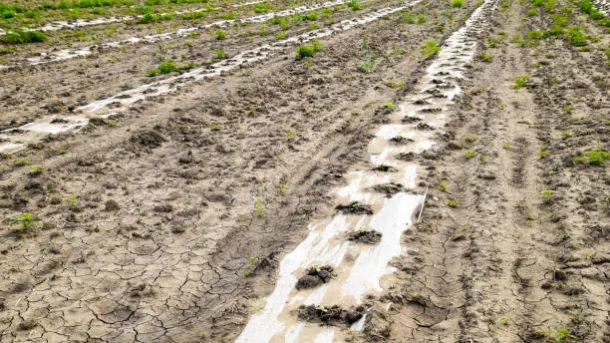
Crop Growth and Yields: For crops to grow and yield, there must be sufficient and evenly distributed rainfall. Water from rainfall patterns is crucial for plants to use for physiological functions including photosynthesis and nitrogen uptake. Reduced crop yields, water stress, and stunted development can all be effects of insufficient rainfall. On the other hand, heavy rainfall can reduce agricultural output by resulting in waterlogging, root damage, and increased susceptibility to diseases.

Needs for irrigation and soil moisture are determined by rainfall patterns, which are essential for crop development. Rainfall that is regular and moderate refills the moisture in the soil, creating ideal circumstances for plant growth. Farmers may need to supplement irrigation in areas with insufficient rainfall to meet crop water needs. Care must be taken since irregular or erratic rainfall patterns can result in unequal soil moisture distribution.

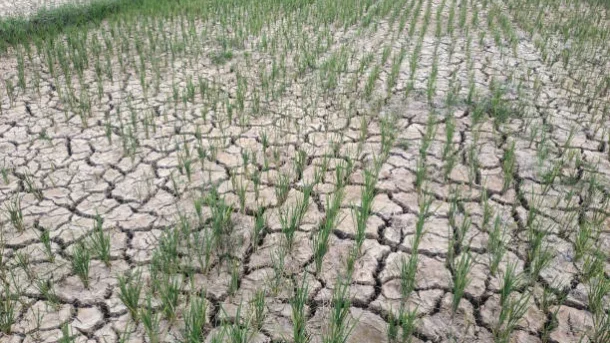
Water Stress and Drought: Prolonged dry spells can result from insufficient precipitation. Droughts can seriously affect agriculture, leading to crop failures, decreased yields, and financial losses. Drought-induced water stress can alter plant physiology and cause wilting, leaf senescence, and decreased nutrient uptake. Crop varieties that can withstand droughts and effective irrigation techniques can lessen the effects of water constraint.

Decisions Regarding Planting and Harvesting: Farmers base their planting and harvesting decisions on rainfall patterns. To choose the best time to sow various crops, they take into account the start and length of rainy seasons. Rainfall that is irregular or late can delay planting, which will have an impact on crop growth and yields. Similar to how weather patterns during harvest might affect harvesting activities and post-harvest processing procedures.

What are the long-term effects of using chemical fertilizers on soil health and crop production?

chemical fertilizers

Nutrient Imbalances: Using chemical fertilizers excessively or continuously without taking into account the needs of the crop or the condition of the soil’s nutrients can cause nutrient imbalances. When one nutrient is applied excessively, building up in the soil, while another is applied insufficiently, imbalances may result. Crop quality, yield, and growth may be impacted by this.

Acidification of the soil: Over time, some chemical fertilizers, such as nitrogen fertilizers based on ammonium, can cause the soil to become more acidic. Applying acidic fertilizers repeatedly without taking the proper precautions to keep the pH balance of the soil might result in diminished soil fertility and lower availability of vital minerals for plant uptake.

Chemical fertilizers can have an impact on the microbial populations in the soil. Synthetic nitrogen fertilizers with high nitrogen content can have a negative effect on the diversity and activity of helpful soil bacteria. This may interfere with crucial microbial operations involved in the cycling of nutrients, the breakdown of organic matter, and the development of soil structure.

Soil Organic Matter: Reliance solely on chemical fertilizers over an extended period of time without adding organic matter inputs might cause a decrease in the amount of soil organic matter. Because it enhances soil structure, water-holding ability, nutrient retention, and microbial activity, organic matter is essential for the health of soil. Organic matter levels dropping can affect soil fertility and agricultural productivity over the long term.

Are there any advancements or innovations in the field of chemical fertilizer?

chemical fertilizer

chemical fertilizer with slow and controlled releases are made to release nutrients gradually over an extended period of time to meet the needs of crops. They decrease the risk of overfertilization, decrease nutrient losses due to leaching and volatilization, and increase the effectiveness of nutrient utilization.

Fertilizers that have been coated: Coating technologies have been developed to improve the characteristics of fertilizers’ nutrient delivery. A protective layer on coated chemical fertilizer regulates the rate at which nutrients are released. The coating may be programmed to release nutrients in response to conditions like temperature, moisture content, microbial activity, or predetermined time periods. This technique aids in the controlled release of nutrients, lowers nutrient losses, and enhances crop nutrient uptake.

Enhancing the availability and effectiveness of nutrients for plants is the goal of enhanced efficiency fertilizers (EEFs). Products like nitrification inhibitors, urease inhibitors, and phosphorus enhancers can be included in them. Nitrification inhibitors reduce nitrogen losses by leaching and denitrification by slowing the conversion of ammonium to nitrate. Urease inhibitors reduce nitrogen volatilization by delaying the breakdown of urea. By lowering its fixation in the soil, phosphorus enhancers increase the availability of phosphorus to plants.

Precision Agriculture Technologies: Farmers can acquire specific information about soil variability, crop development, and fertilizer requirements using precision agriculture instruments including remote sensing, GPS, and yield mapping. With the use of these technologies, farmers may more precisely decide how much and where to apply fertilizer, ensuring that the proper amount is applied at the right time.