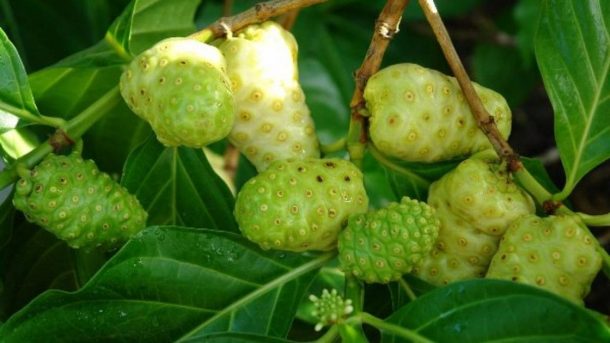
Noni grows in a very wide range of soils and environment and it has ability to survive in harsh environments. Noni can tolerate a wide range of drainage conditions, including wide range of pH levels. Mature cultivated Noni can resist the temperature from 20 -35°C and with an annual rainfall of 250- 4000mm.
climate
How much sun is required for potato plants?
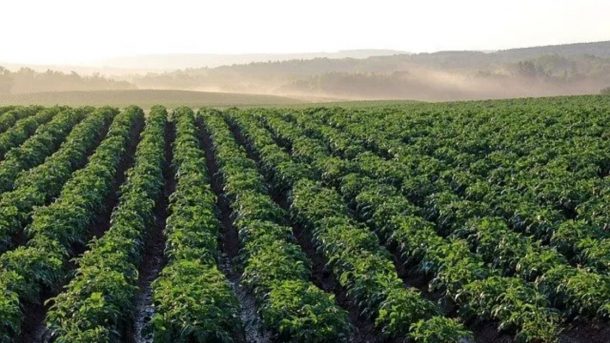
It is considered that the potato plants need at least a half day of full sunlight along with some partial shade. The tubers should not be exposed to direct sunlight otherwise this would cause the tubers to turn into green colour. On an average at least 6 hours of sunlight is required by the potato plants provided the area has well drained soil. Partial; shade or areas that receive less direct sunlight is also suitable for potato farming, but with lower yield.
Which is the best climate for fruit production in banana?
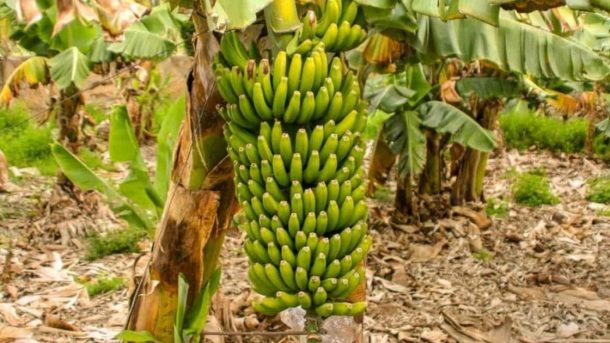
Bananas need a warm, humid and rainy climate as a tropical crop. The maximum temperature range is 10 to 40 °C and the relative humidity is 90% or higher. It is very sensitive to cold and cannot tolerate dry conditions. Strong dry winds cause a significant decline in plant growth and fruit production and quality.
What is the climatic requirement for flowering in Mango?
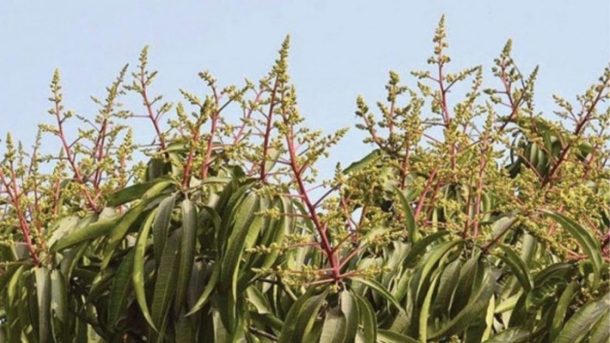
Mango flowering occurs during the coolest months of the year. Flowering requires 4–6 weeks of shoot dormancy and cool night temperatures to trigger floral induction of the terminal buds. The absolute temperature needed for floral induction varies among varieties and climates, but night temperatures between 8°C and 15°C (46–59°F) with day temperatures around 20°C (68°F) are typically needed. Better flowering is seen in trees growing in the subtropics where the seasonal temperature differences are stronger and more reliable than in the hot tropics. In Hawaii, the main flowering is between December and April.
Which is the best season for growing Pumpkins?
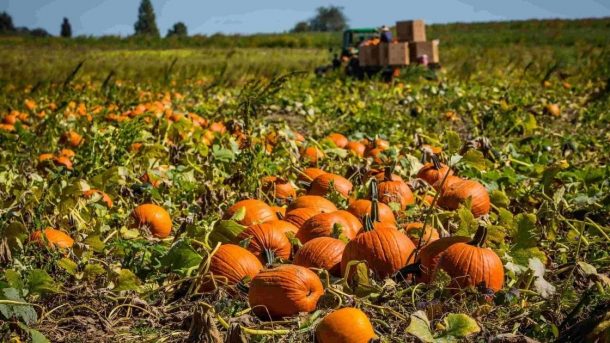
Pumpkin can be grown during the time period of January to March and September to December. Sowing can also be started after the first few showers from May to June for the rainfed crop.
What is the Climatic requirement for Pumpkin planting?
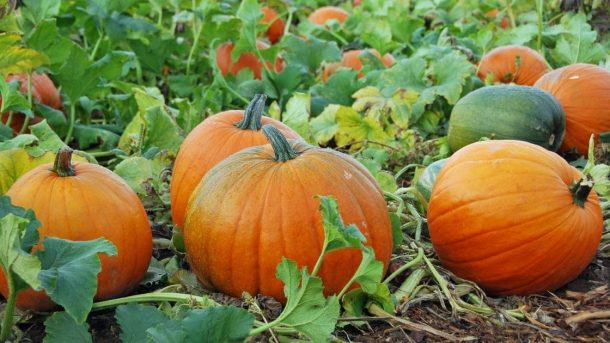
Pumpkin needs min temperature of 18°C at the early stage of its growth. Ideal temperature range is 25 to 28°C for its cultivation. It adopts a wide range of rainfall condition and also tolerates low temperatures.
What is the climatic requirement for Snake gourd cultivation?
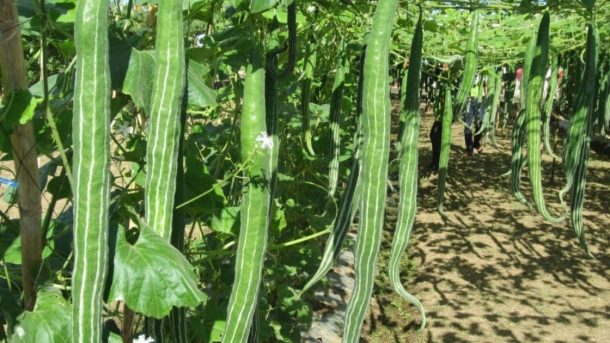
Snake gourd needs a warm and humid climate for better plant growth and fruit development. A temperature range of 30-35°C with a minimum threshold limit of 20°C is ideal for its successful cultivation since temperature below 20°C restricts plant growth, and temperature above 35°C is harmful for its growth, flowering, and fruiting.
What is the climatic requirement of Aonla plantation?
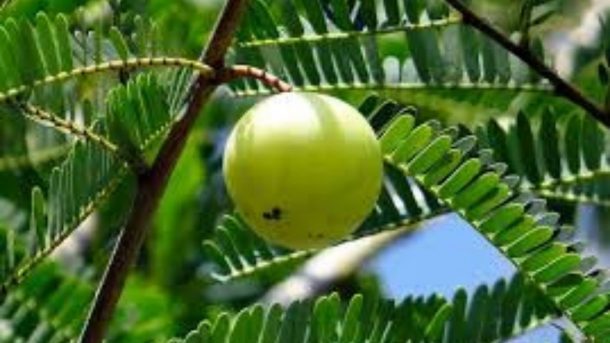
Aonla is a tropical plant. Annual rainfall of 630-800mm is ideal for its growth. The young plants up to the age of 3 years should be protected from hot wind during May- June and from frost during winter months. The mature plants can tolerate freezing temperature as well as a high temperature up to 46°C.
What is the climatic requirement for groundnut farming?
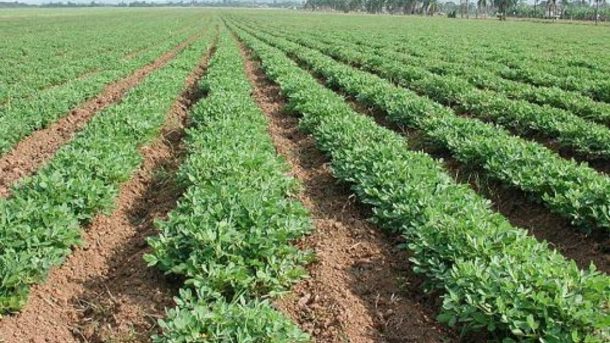
Groundnut is a tropical plant requires a long and warm growing season. It grows well in areas receiving 50 to 125 cm of well-distributed rainfall during growing season, abundance of sunshine and relatively warm temperature. Soil temperature is an important factor and its effects are critical on seed germination, emergence of seedlings, early plant growth, rate of flowering, and pod development. When soil temperature goes below 19°C, emergence of seedlings is low. The optimum temperature for vegetative growth of groundnut is ranging in between 26 to 30°C depending on the cultivar. Reproduction growth is maximum at 24-27°C. The maximum rate of growth of pods between 30 to 34 °C as it requires about a month of warm and dry weather. Light influences both photosynthesis and respiration in groundnut. The opening of flowers and number of flowers both depend on light.
Why fruit drop occurs in mango?
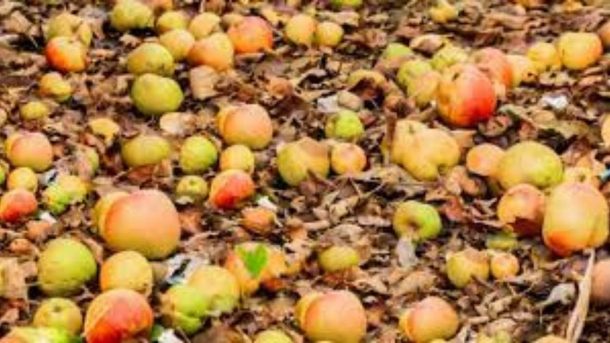
Despite high fruit set initially, the ultimate retention is quite low in mango. The intensity of fruit drop, varies from variety to variety. Among the commercially grown varieties, Langra is more susceptible to drop while Dashehari is the least. The fruit drop is more or less a continuous process and can be classified into three groups: (i) Pinhead drop, (ii) post-setting drop and (iii) May-month drop.
Embryo abortion, climatic factors, disturbed water relation, lack of nutrition, disease, pest and hormonal imbalances are the major factors that lead to fruit drop.