climate

How does climate change affect pests and diseases in agriculture?

pests and diseases

Geographic Range Shifts: As a result of climate change, changes in temperature and precipitation patterns may cause pests and diseases’ geographic ranges to shift. Pests and diseases may spread to new areas that were previously inappropriate for their existence as a result of warming temperatures. In contrast, if temperatures rise over their ideal range in some locations, certain pests and disease may become less prevalent. As a result, pest and disease pressure may shift, necessitating modifications to pest management tactics.

Phenology and Life Cycles: Pests and diseases have different phenologies (timing) depending on the climate. Insects, pests, and pathogens can develop more quickly and live longer, which results in earlier emergence, higher reproduction rates, and more generations each year. Pest and disease pressure may increase as a result.
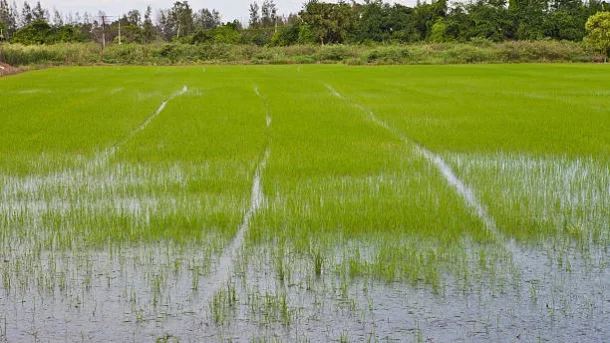
Increased pest outbreaks are a potential result of climate change. Infestations and outbreaks of some pests can result from warmer temperatures and changing precipitation patterns that encourage their fast population growth. These outbreaks have the potential to seriously harm crops and cost farmers money. Additionally, climatic disturbances like storms and floods can foster an environment that is conducive to the spread of illnesses and pests.

Invasive Species: Climate change may make it easier for diseases and pests to spread to new areas. It may be possible for invasive species to establish themselves in regions where they were previously impossible to do so as a result of rising temperatures and changing climatic patterns. The displacement of native species, crop damage, and ecological disruption caused by invasive pests and diseases can have a severe impact on agriculture.
How does climate variability and extreme weather events impact farming?

climate variability

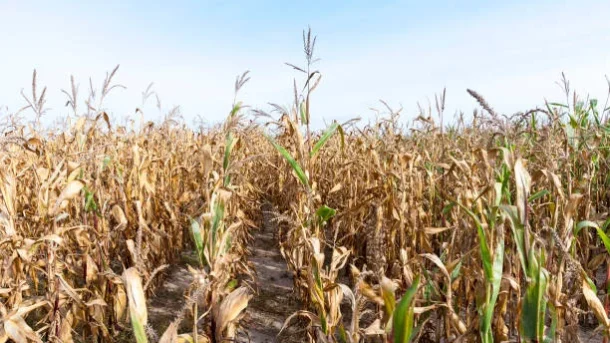
Crop Yields: Crop yields can vary as a result of climate variability, which includes changes in temperature and precipitation. The timing of planting, flowering, and harvesting can be messed up by inconsistent or unusual weather patterns, which can hinder crop development and lower yields. Extreme weather conditions including droughts, floods, heat waves, and storms can seriously harm crops and reduce yields.

Water Availability: The availability of water for agriculture is impacted by climate change. Water scarcity and drought situations can result from altered precipitation patterns and higher evaporation rates brought on by rising temperatures. Irrigation systems, crop water needs, and general water management practices are all impacted by decreased water availability. By using effective irrigation methods, water-saving strategies, and water-storage systems, farmers may need to adjust.

Outbreaks of pests and illnesses: In agricultural systems, climate variability affects the frequency and severity of pests and diseases. The life cycles, geographic distribution, and quantity of pests and disease vectors can all be impacted by changes in temperature and humidity patterns. Variations in the dynamics of pests and diseases can raise the danger of outbreaks, leading to crop losses and damage. According to shifting climatic conditions, farmers must keep an eye on and manage pests and illnesses.

Extreme weather conditions, such as prolonged periods of heavy rain and storms, can result in soil erosion, which depletes nutrients and reduces soil fertility. Flooding can also cause waterlogging and soil saturation, which can harm roots and reduce their ability to absorb nutrients. Crop productivity is adversely affected by soil erosion and deterioration, necessitating soil conservation.

How does temperature affect crop growth and development?

temperature affect

temperature affect on how well seeds germinate. A crop’s ideal temperature range for germination varies depending on the crop, and variations from this range might impact germination rates. Warmer temperatures typically encourage quicker germination, whereas cooler temperatures can impede or delay germination.

Vegetative Growth: The development of leaves, the lengthening of stems, and branching are all greatly influenced by temperature. In general, warmer temperatures hasten vegetative development, increasing biomass buildup. However, extreme heat can also have negative impacts like withering, a reduction in photosynthesis, and slowed growth.

temperature affect on the time and efficiency of flowering and pollination. For the commencement and development of blooms, several crops have specific temperature needs. Lower temperatures can impede or delay flowering, whereas higher temperatures can promote it. As excessive temperatures can impact pollen viability and pollinator activity, ideal temperatures are essential for successful pollination and fruit set.

Temperature has an impact on fruit set, the process through which blossoms turn into fruits. During this period, ideal temperatures encourage healthy fertilization, fruit growth, and development. Cold snaps or periods of extreme heat can prevent fruit from setting, which can result in irregular fruit development or lower yields.

How does climate impact agricultural practices?

climate impact

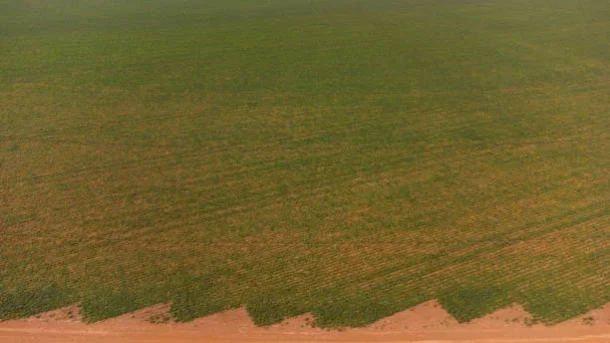
Temperature: Crop growth and development are impacted by temperature. The ideal temperature for germination, vegetative growth, blooming, and fruiting varies depending on the crop. Crops can be harmed or even destroyed by extreme temperatures, such as heatwaves or frost occurrences. climate impact change-related changes in temperature patterns can affect whether crops grow well in particular places and may need adjusting planting times and crop choices.

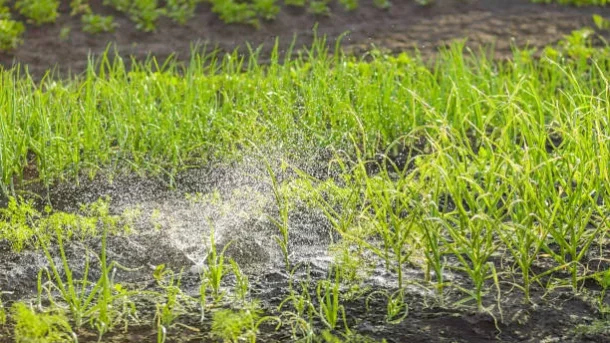
Precipitation: For crops to develop, there must be sufficient and timely precipitation. Reduced crop yields, drought conditions, and plant water stress can all result from insufficient precipitation. On the other hand, an abundance of rain can cause nutrient leaching, soil erosion, and waterlogging. The need for irrigation, crop choices, and overall water management practices in agriculture can all be impacted by changes in precipitation patterns, including variations in timing and severity.

Seasonal Variability: The length and timing of seasons, including the length of growing seasons and dormant periods, are influenced by the climate. Crop selection, planting dates, and crop rotation techniques are all impacted by the availability of adequate growing seasons. Farming schedules can be thrown off by climate impact variability, which includes changes in the start and end dates of the seasons.

Water Resources: Surface water and groundwater availability and distribution are influenced by the climate. For the production of crops, livestock, and irrigation, water availability is essential. Farmers may need to adopt effective irrigation methods, water conservation practices, and better water resource management strategies as a result of changes in precipitation patterns and temperature.

Can the excessive use of chemical fertilizers have negative impacts on the environment?

excessive

Water pollution: Excess nutrients can wash off the soil surface and leak into the groundwater or be transferred into neighboring water bodies by runoff when chemical fertilizers are overused or applied at the wrong time. This may result in water pollution, particularly eutrophication, or nutrient enrichment. Aquatic ecosystems are disrupted by eutrophication, which also causes excessive growth of aquatic plants and algae, lowers oxygen levels in water bodies, and causes fish deaths and biodiversity loss.

Use of chemical fertilizers improperly or excessively can damage the health and structure of the soil. High concentrations of some nutrients, like nitrogen, can cause the soil to become acidic, create nutritional imbalances, and diminish soil productivity. A deterioration may result from a continued reliance on chemical fertilizers without organic matter inputs.
Anhydrous ammonia and urea are two types of nitrogen fertilizers that have the potential to volatilize and release ammonia gas into the atmosphere, causing air pollution. Ammonia emissions cause smog and fine particulate matter to form, which is a result of air pollution. Additionally, ammonia can interact with other atmospheric contaminants and cause acid rain. Additionally, agricultural soils may release nitrous oxide (N2O), a strong greenhouse gas, as a result of excessive nitrogen fertilizer, which adds to climate change.

Loss of Biodiversity: Chemical fertilizers used in excess can harm biodiversity. High soil nitrogen levels can encourage the growth of species of competing plants, reducing the diversity of native plant life. Changes in soil pH and nutrient availability can also have an effect on beneficial soil microbes.

What are the key factors to consider when selecting seeds for different crops?

selecting seeds

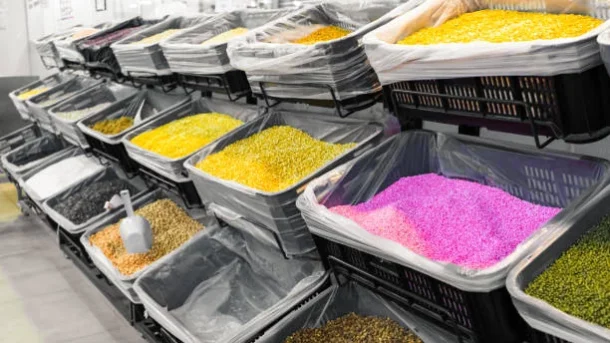
Climate and Growing Conditions: Each crop has unique environmental and climate needs. Take into account the growing season length, humidity, rainfall, and temperature in your area. To increase the likelihood that your seeds will germinate and grow well, selecting seeds that are well adapted to your region’s climate.

In order to grow a given crop, selecting seeds that are resistant to typical diseases and pests that harm that crop. The need of chemical interventions can be minimized with the use of disease-resistant seedlings.

Yield and Productivity: Take into account the crop variety you are choosing’s potential yield and productivity. Look for seeds that have a history of consistently producing good yields. Frequently, seed catalogs or regional agricultural extension offices will have this information.

Maturity Period: The time from planting to harvest is referred to as a crop’s maturity period. Choose seeds with a maturation duration that corresponds with the length of your growing season. By doing this, you can be confident that the crop will have enough time to mature and yield a harvest before bad weather conditions appear.

Quality and Viability: Pick seeds with a high level of both quality and viability. Examine elements including seed uniformity, color, and size. To retain the seeds’ viability, make sure they are properly stored and are not old.

Desired Traits: Take into account any particular traits or qualities you are trying to find in your crop. This may involve elements like flavor, color, texture, or particular nutritional characteristics. The flavor, look, and nutritional content of different seed kinds might vary.

What are the problems caused by inadequate access to credit and financial services for agricultural investments?

financial services

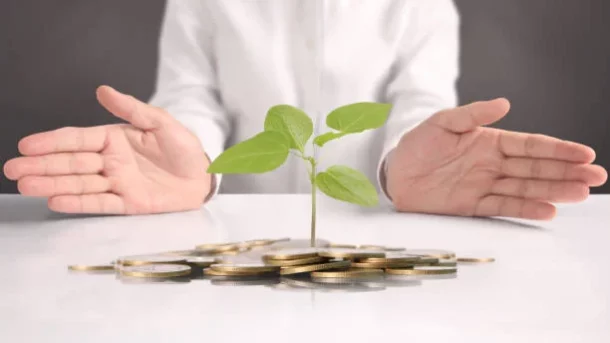
Farmers and the agricultural industry as a whole may face serious difficulties as a result of inadequate access to financing and financial services for agricultural investments. The following are some issues that may result from this problem.

Limited Investment Capacity: Farmers’ capacity to invest in contemporary agricultural practices, machinery, equipment, and technology may be constrained by a lack of access to financing and financial services. Because of this, they are less productive and efficient, which results in lower yields, lower profits, and less chances for expansion and diversification.

Limited Expansion and Innovation: Farmers may encounter difficulties implementing new farming methods or expanding their enterprises without access to credit. Farmers may be unable to adapt to shifting market demands and environmental issues if they are unable to embrace sustainable and climate-smart practices.

Limited Working Capital: Seasonal financial flows and erratic income trends are features of the agricultural industry. Farmers may struggle to buy supplies like seeds, fertilizer, and insecticides or to find workers to work during crucial production seasons if they have insufficient access to financing. This may cause crop quality to decline, output to be delayed, and market opportunities to be lost.

Lack of access to financing and financial services makes farmers more susceptible to hazards like pest infestations, diseases, and natural disasters. Farmers may find it difficult to recover from such shocks and to reestablish their businesses in the absence of financial safety nets. Farmers’ communities may experience a rise in poverty and food insecurity as a result of this.

What are the challenges faced by farmers in adapting to technological advancements and digitalization in agriculture?

digitalization

Farmers must overcome a number of obstacles to adapt to the digitalization and technology improvements in agriculture. Here are some typical difficulties:

Access to Technology: For many farmers, especially those who operate in distant or underdeveloped locations, access to technology—including hardware, software, and digital infrastructure—remains a substantial challenge. Farmers’ capacity to adapt and profit from technology improvements is hampered by their limited access to dependable internet connectivity, smartphones, computers, and other digital gadgets.

Affordability: Using technology frequently entails spending money on equipment purchases, software licenses, and ongoing maintenance charges. It may be difficult for farmers to cover these expenditures, especially small-scale and resource-constrained farmers, which makes it tough for them to invest in and embrace modern technologies.

Data management and privacy: The digitalization of agriculture generates a lot of data, such as information about farms, the weather, and market trends. Farmers might be concerned about data ownership, privacy, and information security. Appropriate data governance frameworks and unambiguous policies are needed for the efficient management and preservation of data in order to address these issues.

Infrastructure and Reliability: Technological improvements depend on a strong and dependable infrastructure, including network coverage, access to electricity, and internet connectivity. However, access to continuous and dependable infrastructure is difficult in many farming areas, especially in rural and isolated places, which restricts the efficient use of digital technology.

How does the limited availability of agricultural data and information hinder evidence-based policymaking?

The lack of agricultural data and information can impede the development of evidence-based policies in a number of ways.

An insufficient knowledge of agricultural systems can be brought about by a lack of data and information on a number of factors, including crop yields, land usage, water resources, weather patterns, and market dynamics. It’s possible that policymakers lack the knowledge needed to create focused policies and actions that address particular possibilities and difficulties in agriculture.

Inaccurate Assessment of concerns and Impacts: Policymakers may find it difficult to make accurate assessments of the scope and effect of agricultural concerns in the absence of thorough and current data. Food insecurity, land degradation, water shortages, and the impact of climate change on agriculture are a few examples of such problems. In the lack of trustworthy data, legislators could create regulations that

Weak Predictive and Forecasting Capabilities: Predictive modelling and forecasting depend on data and information to help decision-makers foresee future trends, dangers, and opportunities in agriculture. A lack of data makes it difficult to create accurate models and projections, which makes it difficult to create proactive strategies and adjust to changing agricultural conditions.

Lack of Stakeholder involvement: Information and data are essential for promoting stakeholder involvement and collaborative decision-making. Stakeholders, such as farmers, academics, business representatives, and civil society organizations, may be excluded from meaningful participation in the creation and implementation of policies when data is scarce or unavailable. As a result, agricultural policies lose some of their credibility and efficacy and lose some of their potential influence.

What are the issues related to genetic erosion and the loss of traditional crop varieties in agriculture?

traditional crop

Reduced Genetic Diversity: Traditional crop varieties frequently have a diverse genetic makeup that has developed over many generations, making them resilient to pests, diseases, and climatic pressures as well as adaptable to different environmental situations. The loss of these kinds causes agricultural systems’ genetic diversity to decline. Crops are less able to adapt to shifting climatic circumstances as a result, making them more susceptible to pests, diseases, and climate change.

Increased Dependence on a Fewer types: Modern agriculture’s focus on uniform, high-yielding crop types has resulted in the widespread acceptance of a small number of commercial varieties. If a certain variety is vulnerable to a new pest or disease, this monoculture strategy raises the chance of crop failure.

Local food systems disruption: Traditional crop types are frequently well-adapted to regional environmental factors as well as regional preferences for flavour, nutritional value, and culinary applications. A trend towards uniform, standardised kinds that might not satisfy the particular requirements and tastes of local people might result from the loss of various variations, which can undermine regional food systems. This may lead to a loss of ethnic eating traditions and nutritional variety.

Loss of Nutritional and Therapeutic Values: Traditional crop types frequently have special nutritional and therapeutic values. The absence of certain types may result in a decrease in the amount of certain nutrients, therapeutic substances, and other health advantages connected to traditional crops. Particularly in areas that depend on traditional crops, this may have an effect on people’s health and nutrition.