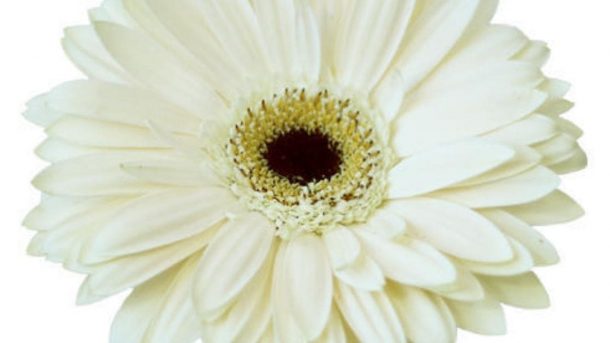
The high yielding cream and white coloured varieties of gerbera are Farida, Dalma, Snow Flake, Winter Queen, Delphi & White Maria.
Crop varieties
What is the High Yielding orange and red coloured Hybrid Varieties of Gerbera in India?
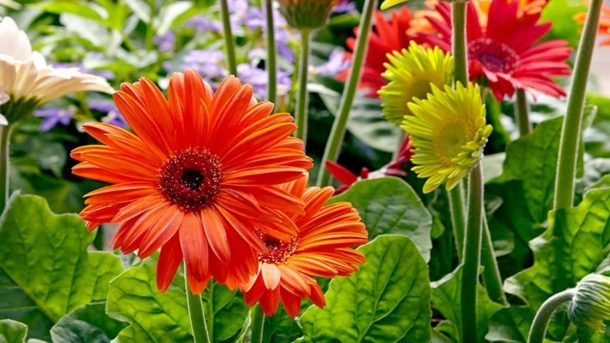
The high yielding orange and red -coloured varieties of gerbera are Kozak, Carrera, Marasol, Orange Classic, Goliath, Rosalin & Salvadore.
What is the High Yielding yellow coloured Hybrid Varieties of Gerbera in India?
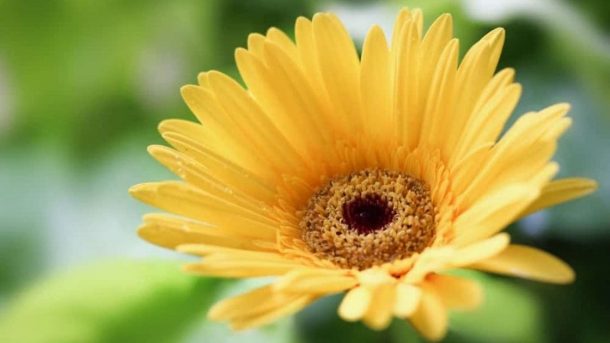
The high yielding yellow-coloured varieties of gerbera are Supernova, Nadja, Doni, Mammut, Uranus, Fredking, Fullmoon, Talasa & Panama.
What is the High Yielding red coloured Hybrid Varieties of Gerbera in India?
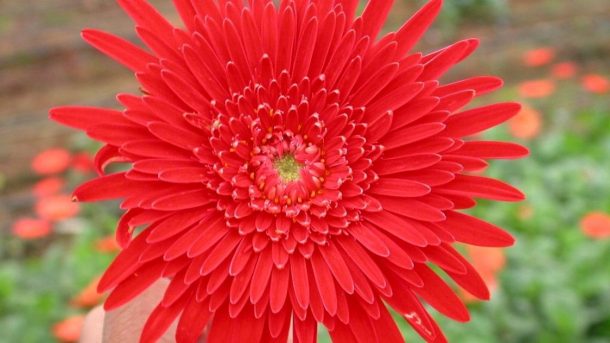
The high yielding red-coloured varieties of gerbera are Ruby Red, Dusty, Shania, Salvadore, Tamara, Fredorella, Vesta & Red Impulse.
How to Take Care of a Dwarf Cherry Tree?
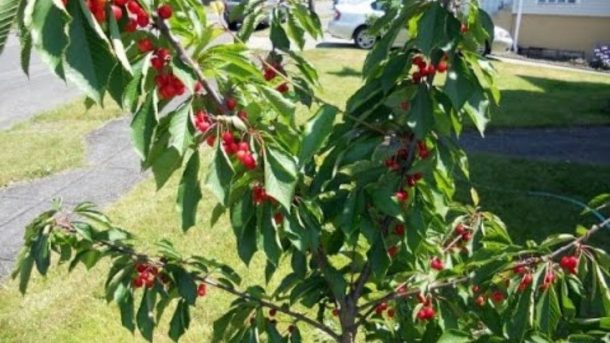
Water young Dwarf Cherry tree until the tree is established. Give an occasional soaking during periods of drought. Control weeds and grass under the Cherry tree with a 3- to 4-inch layer of organic mulch. Fertilize young trees in the early spring season. Fertilize fruiting trees after harvest and apply 2 ounces of a balanced fertilizer for each inch of trunk diameter. A Cherry tree with a 4-inch diameter trunk requires 8 ounces of fertilizer. Prune Cherry trees in late winter during the dormant phase. Shape the Chery tree to develop a main trunk with well-spaced limbs. Remove branches that cross or rub other branches. Young trees growing in windy areas benefit from staking even if they are not Dwarf varieties. Pruning doesn’t vary between Dwarf fruit trees and their larger counterparts when it comes to technique. Though Dwarf fruit trees have less surface area than standard trees, so they require less work to maintain.
What is Meteor cherry tree?
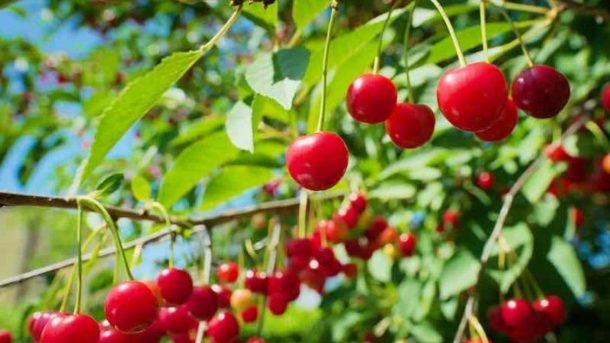
The tree is a natural genetic Dwarf that grows to a height of about 8 to 12 feet. Also, it spreads to a similar size. They have a sour taste and are mainly used in juices, jams, jellies, pies, and wines. The Meteor Cherry tree pollinates itself and has attractive dark green color leaves. It produces colorful white flowers in the spring season, followed by red cherries in the middle of the summer. The leaves turn to a bright orange in the fall season. Meteor Cherry tree prefers full sun and soil with good drainage. It is a good choice for attracting birds and it normally lives for about 30 years.
What is Dwarf Bing cherry tree?
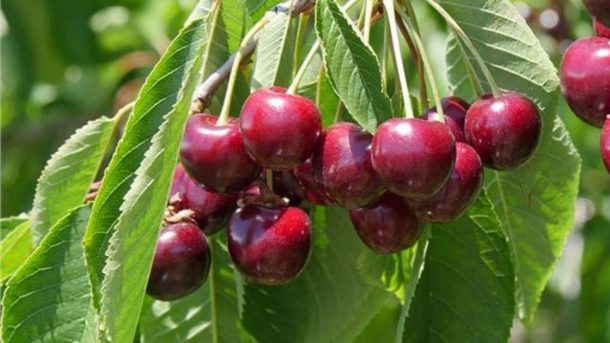
Dwarf Bing Cherry Tree has a deep red color. The size of its cherries is on the large size and the cherries are known for their good taste. It grows to a height of about 20 feet and it does not need a lot of maintenance. They have red-black skin and firm flesh. The Dwarf Bing Cherry tree has reddish bark, which makes it a good choice as a landscaping tree when contrasted with its green color leaves in the summer. The plant leaves turn colors such as red and orange in the fall. It is not self-fruitful, which means it should be pollinated by another Cherry tree.
What is Dwarf North Star Pie cherry?
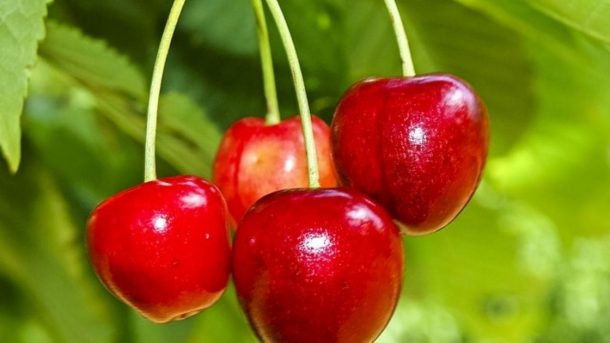
Dwarf North star pie cherry type of variety is resistant to diseases. It grows from 8 to 12 feet tall and its light red skin covers a red flesh.
What are the Recommended Varieties of cherries in Jammu and Kashmir?
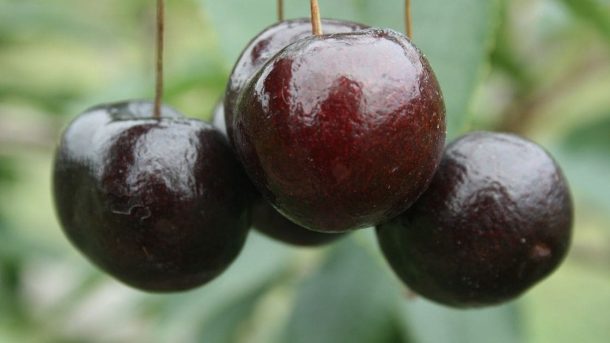
The recommended varieties of cherries in Jammu and Kashmir are Bigarreau Noir Gross, Guigne Noir Hative, Early Purple Black Heart, Guigne Pour ova Precece, Black Heart, Bigarreau Napoleon and Guigne pour ova Precece.
What are the Recommended Varieties of cherries in Himachal Pradesh?
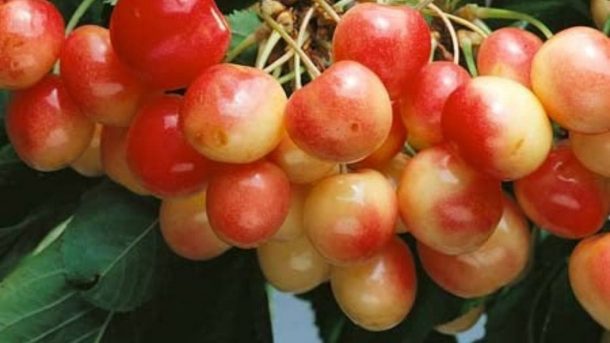
The recommended varieties of cherries in Himachal Pradesh are White Heart, Stella, Lambert, Pink Early, Napoleon White, Black Tartarian, Van, Early Rivers and Blac Republican.