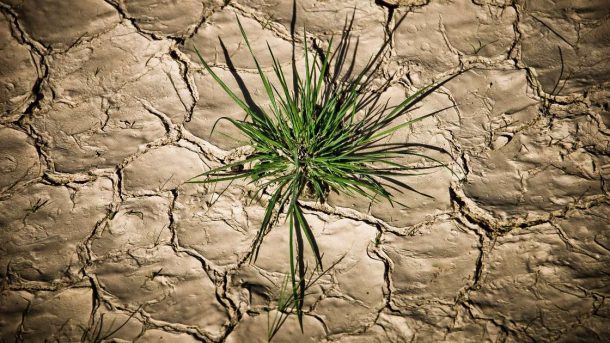
This feature helps the plants to have abundant vegetative growth during rainy season. As a result plants can easily escape drought and grow for a longer period without rain especially desert plants. This is an important survival mechanism in that it enables the large amounts of seed produced in wet years to carry the species through prolonged drought periods.
Cropping patterns
What is the soil and climate requirement for tea?
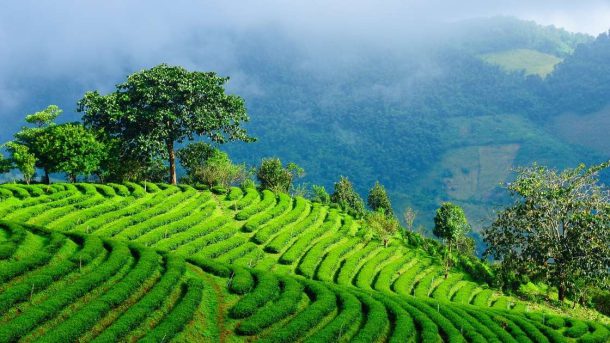
Tea requires well drained soil with high amount of organic matter and pH 4.5 to 5.5. The performance of tea is excellent at elevations ranging from 1000 – 2500 m.Optimum temperature: 20 – 270 C.
What is agri-silvicultural system ?

Agricultural crops are intercropped with tree crops in the area between the trees in this arrangement. Agricultural crops can be cultivated for up to two years under protected irrigated conditions and up to four years under rainfed farming under this technique. Grain crops can be profitably grown until the above-mentioned period, beyond which they are uneconomical to grow. Fodder crops, shade-loving crops, and shallow-rooted crops, on the other hand, can be profitably farmed. For easier cultural management and to obtain more sunlight to the intercrop, wider spacing is used without losing tree population. When compared to monoculture, the tree crops do better in this system.
What are rabi crops ?
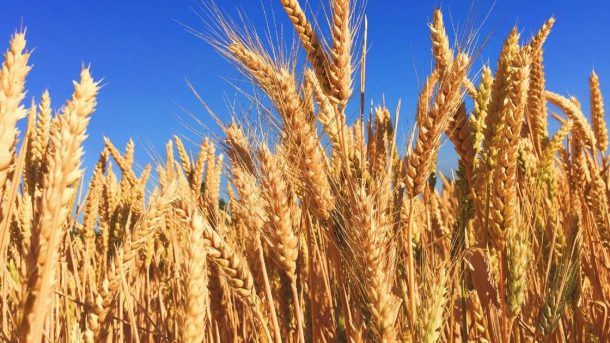
Rabi crops, also known as rabi harvest, are winter-sown and spring-harvested agricultural crops in India, Pakistan, and Bangladesh. The kharif crop, which is planted after the rabi are harvested one after the other, is the opposite of the rabi crop.
Rabi crops are planted in mid-November, ideally after the monsoon rains have passed, and harvested in April/May. Rainwater that has percolated into the ground or irrigation are used to cultivate the crops. Winter rains wreak havoc on rabi crops but are beneficial to kharif crops. Wheat is India’s most important rabi crop, followed by barley, mustard, sesame, and peas.
What are kharif crops ?
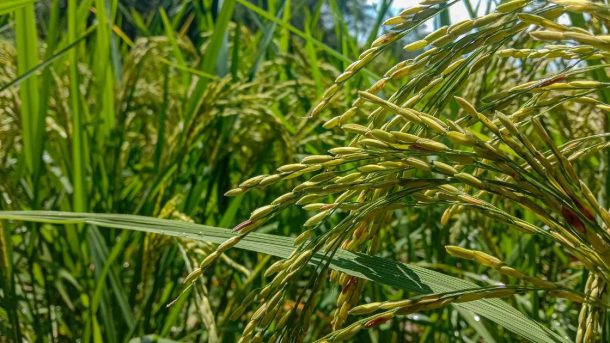
Kharif crops, also known as monsoon crops or autumn crops, are domesticated plants grown and harvested in India, Pakistan, and Bangladesh during the monsoon season, which lasts from June to November depending on the region.
In some parts of the Indian subcontinent, monsoon rains can start as early as May, and crops are harvested between the third and fourth weeks of September and October. Rice, maize, and cotton are among of India’s most important Kharif crops. The Rabi crop, which is planted in the winter, is the polar opposite of the Kharif crop.
What is crop rotation ?
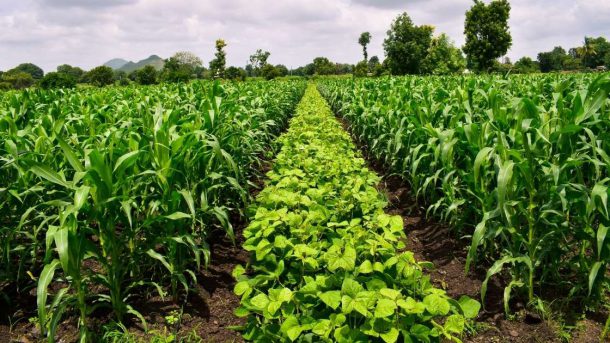
Crop rotation is the practice of cultivating a variety of crops in the same location over the course of several growing seasons. It decreases dependency on a single set of nutrients, pest and weed pressure, and the likelihood of pest and weed resistance. Crop rotations can improve soil structure and organic matter, reducing erosion and strengthening farm systems.
What is sequential cropping system ?
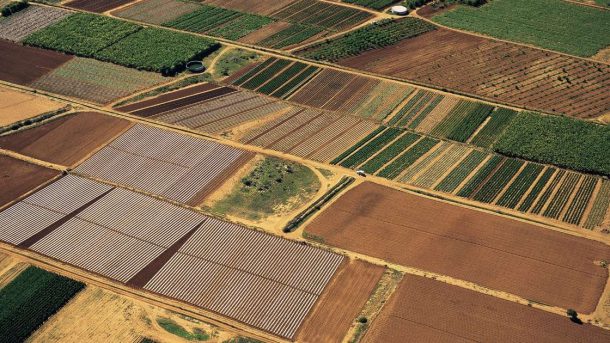
Growing crops in sequence within a crop year, one crop being sown after the harvest of the other is known as sequential cropping. For example, rice followed by pigeon pea, followed by wheat. This system with relatively short growing season crops offers better total annual use of land than a single crop system. There are different type of sequential cropping like double cropping , triple cropping , quadruple cropping and ratoon cropping.
What is alley cropping?
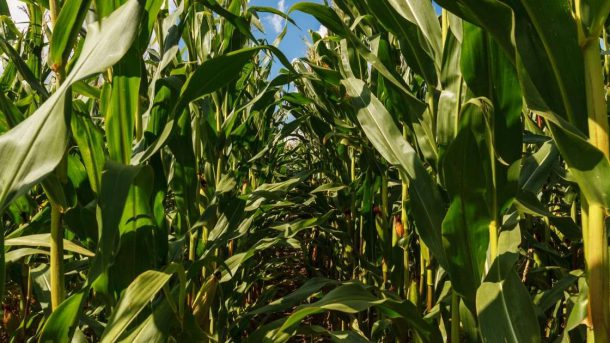
Alley cropping is an agroforestry practice in which perennial, preferably leguminous, trees or shrubs are grown simultaneously with an arable crop. The trees, managed as hedgerows, are grown in wide rows and the crop is planted in the interspace or ‘alley’ between the tree rows. During the cropping phase, the trees are pruned. Pruning are used as green manure or mulch on the crop to improve the organic matter status of the soil and to provide nutrients, particularly nitrogen, to the crop.
What is intercropping system?
Growing more than one crop in the same area in rows of definite proportion and pattern. The most common goal of intercropping is to produce a greater yield on a given piece of land by making use of resources that would otherwise not be utilized by a single crop. Intercropping strategies include planting a deep-rooted crop with a shallow-rooted crop, or planting a tall crop with a shorter crop that requires partial shade .Numerous types of intercropping are mixed intercropping, row cropping, relay cropping, etc.