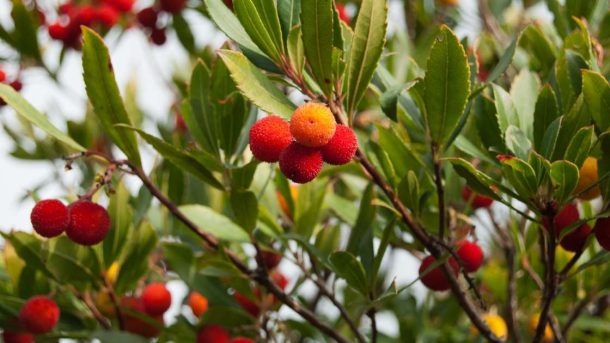
It refers to the point in the development of fruits and vegetables when they have reached their maximal size and maturity. It is frequently linked with fruit that has reached full ripeness. Senescence follows the physiological mature stage. A French bean pod of okra, for example, is physiologically mature when the seeds are fully formed and the pod dehisces easily.
Harvesting
What is crop maturity ?
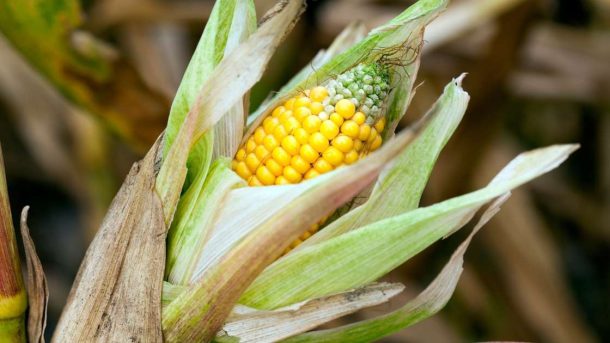
The basis for selecting the exact moment/stage to pick a crop is maturity. When it comes to quality, the stage at which the crops should be picked is critical. When harvesting is done at the correct stage of maturity, good quality is attained. Fruits harvested before optimum maturity may not ripen properly or develop good flavour, whereas crops harvested late (over mature) have a shorter post-harvest life and are more likely to decay.
What are the maturity indices of tomato?
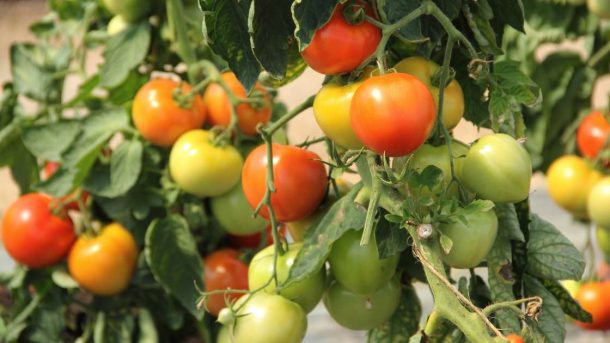
Tomatoes mature from entirely green in the first stage of maturity to red on more than 90% of the surface in the sixth and final stage of maturity. Tomatoes are harvested in the second stage when the colour changes from green to tannish-yellow and covers less than 10% of the tomato surface. Tomatoes for drying should be gathered when over 90% of the surface is red in the sixth and final stage. During the ripening phase, the weight, size, and Brix increase, while the hardness declines.
How post-harvest management is done in mangoes?
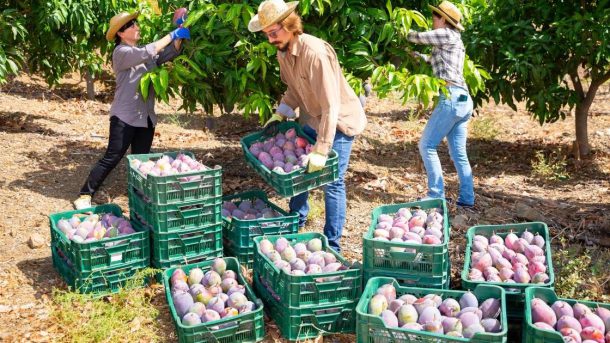
Fruits are graded according to their size, weight, colour and maturity after harvest. Packaging of fruits should be done in corrugated fiberboard (CFB) boxes. Tissue paper and polythene foam paper are used for wrapping high-value fresh mangoes. Polyethylene lining has been found beneficial as it maintains humidity, which results in lesser shrinkage during storage. Dashahari treated with calcium chloride solution (4%) at sub-atmospheric pressure of 500 mm Hg
for 5 minutes can be stored at 12 degree C for 27 days.
How post-harvest handling is done in Banana?
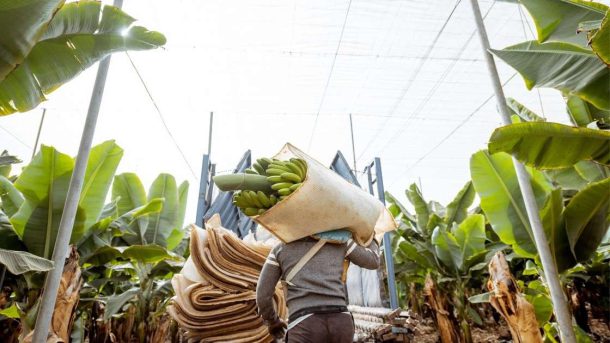
Bananas can be stored for up to a week in a cool place but unripe bananas should not be stored in the refrigerator as this may irreversibly interrupt the ripening process. Banana can be stored for maximum of one week , if it is ripe. Banana should be stored at 130 to 140 C. To hasten ripening and softening, bunches are kept out of light. For export, hands are cut into units of 4-16 fingers, graded for both length and girths and carefully placed in poly-lined boxes to hold 12 to 18 kg depending on export requirement. Before packaging fruits are cleaned in water or dilute sodium hypochlorite solution to remove the latex and treated with thiabendazole.