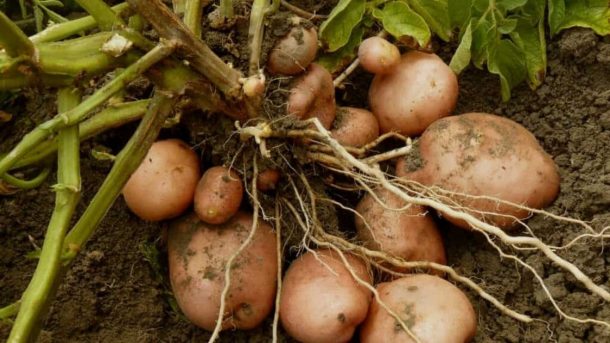
The time of harvest for potato crop is of extreme importance because the tubers keep developing until the vines die. The main crop of potato is harvested from August to October i.e., approximately 75 to 120 days from planting. Another indication of harvest time of potatoes is when the crops bloom. Harvest potatoes immediately when bloom is observed.
Harvesting
When and how harvesting of snake gourd is carried out?
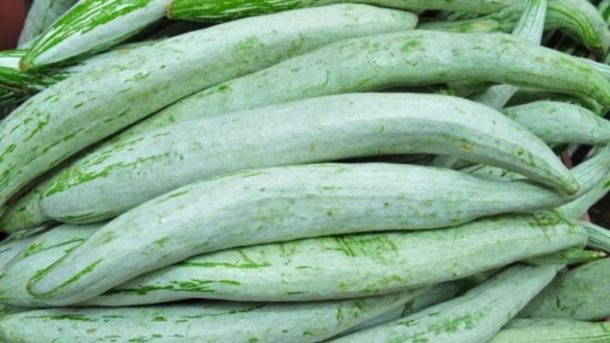
Setting fruits in snake gourd starts about 50 days after seed sowing. The fruits can be harvested as early as 15-20 days after anthesis. Flowering and harvesting usually remain continued for 1- 2 months. Most often fruits are harvested about 3 months after sowing when they are 30-70 cm long and still green and tender since fruits at full maturity become lighter in weight, fibrous, and bit hard, which are not usually preferred by the consumers in the market.
How many days Aonla can be stored?
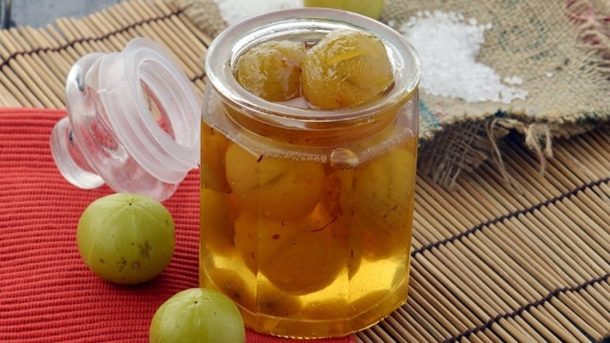
Aonla fruits can be stored for 6-9 days at ambient temperature. However, with a salt solution it can be stored up to 75 days. Fruits can be cut in to pieces and soaked with salt and ajwain solution and dried under sun. It can be stored for long time without loss of ascorbic acid.
How grading is carried out in Aonla?
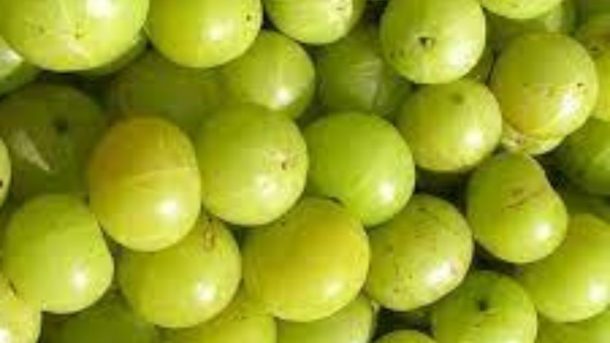
Since, very little work on grading in aonla is reported. However, aonla fruits are graded into 3 grades i.e., large sized, small sized and blemished fruits. Large sized, sound fruits are mostly utilized for preserve and candy; small sized for Chavan rash and trifala and blemished fruits for powder and shampoo making.
When and how harvesting of Aolna is carried out?
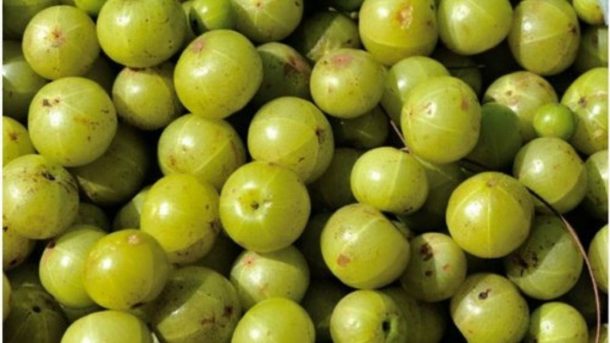
Aonla fruits are ready to harvest during November-December. Maximum ascorbic acid content is observed in mature fruits, while immature fruits are acrid and low in ascorbic acid content and minerals. Fully developed fruits are harvested. Delayed harvesting results in heavy dropping of fruits particularly in Francis and Banarasi. It also adversely affects the following years bearing. Harvesting should be done in early or in late hours of the day. The method of harvesting is hand picking of individual fruits. Individual fruits are plucked by climbing on the tree with the help of pegged bamboo or ladder. A budded/grafted aonla tree starts bearing third year onwards after planting, whereas a seedlings tree may take 6-8 years. Vegetatively propagated plants attain full bearing within 10-12 years and may continue to bear for 60-75 years of age under well managed conditions.
What is Kufri Chipsona-1 and it belongs to which variety?
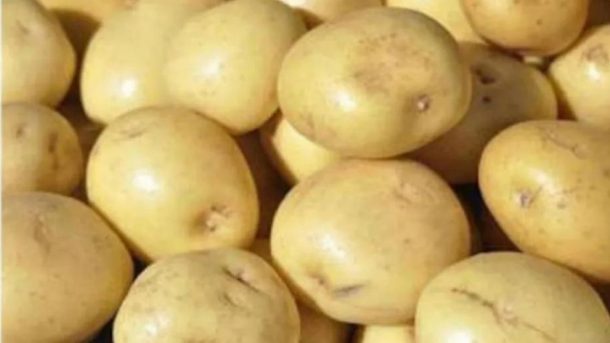
It is the variety belongs to potato. The variety is a selection from the progeny of the cross CP2416 × MS/78-79. The female parent CP2416 was the Mexican genotype MEX 750826, while the male parent MS/78-79 was from Indian potato breeding programme which involved Kufri Jyoti and EM/H-1601 in its parentage. The variety produces white-cream ovoid tuber with shallow eyes and white-cream flesh. The variety produces nearly 30-35 t/ha yield under north Indian plains of the country. Its dry matter content is 20-23% and reducing sugar content is 10-75 mg/100 g fresh weight. The variety yields processing grade tubers to the tune of 60-75%. The variety has good late blight resistance and is well adapted to Indo-Gangetic plains. The tubers possess excellent keeping quality. The variety is suitable for making chips, French fries and flakes.
When and how to harvest groundnut?
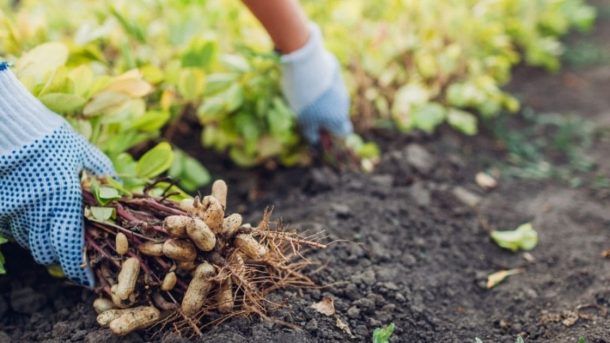
Optimum harvest time is determined by uprooting a few representative plants from different spots in the field around the expected time of maturity and checking the inner side of the pod shell, which shows black colour when mature. When 75-80% pods in case of Spanish/ Valencia cultivars and 70-75% pods in case of Virginia cultivars show internal pericarp darkening, the crop is ready for harvest. If sprouting of seeds is observed in Spanish/Valencia cultivars (due to rains at harvest time in cultivars lacking fresh seed dormancy), the crop should be harvested as soon as the conditions permit without waiting for 75-80% of pods to mature. Over maturity or delay in harvesting can result in greater pod loss in the soil and deterioration in pod quality.
When and how to harvest Black gram?
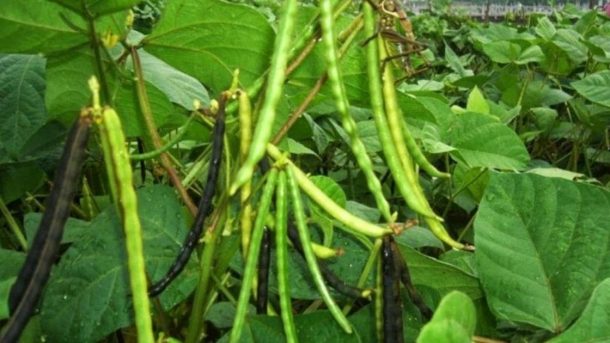
Black gram harvested when 70 to 80 % of pods matured and most of the pods turn black color. At the time of harvesting, at least 20 to 22% of moisture requires in Black gram cereal and harvest the Black gram pods when it is mature. Over maturity can result in the shattering of grains. The harvested crop must be dried on the threshing floor for few days and then threshed. The threshing process can be done manually or by trampling under the feet of bullocks. The clean seeds must be sun dried for 3 to 4 days to bring their moisture content at 8 to 10% to safely store in appropriate bins. Over maturity can result in the shattering of grains. When pods are dried completely then cereal is threshed from the pods by using a machine or manually.
When and how harvesting of plum is carried out?
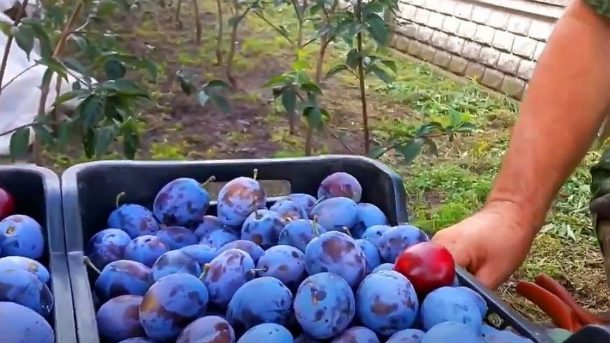
The plum fruits are mature when these have attained proper size and developed proper colour depending upon the cultivar. The plum fruits are harvested from second week of May in Punjab. For local marketing fruits should be harvested when ripe and firm. For distant markets, fruits are picked when firm but have developed 50% colour on the skin. Plum should be harvested along with pedicels avoiding any injury to the fruit.
Plum fruit is very perishable in nature, hence should be handled with care. The small baskets should be padded with rice trash or grass at the bottom and sides. Freshly harvested fruits are transferred in these baskets and covered with paper and tied in gunny cloth.
When and how to harvest Hazelnuts?
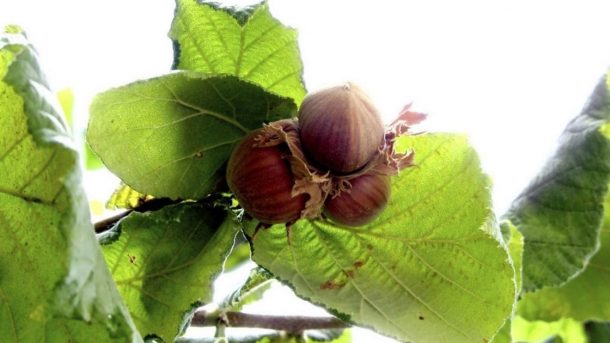
Hazelnuts are harvested annually in mid-autumn. As autumn comes to a close, the trees drop their nuts and tree leaves. Nuts from the hazelnuts’ trees need to be harvested before the autumn rains. As the nuts ripen, they drop from the tree over approximately 6 weeks. Gather Hazelnuts from the ground. Some of the fallen Hazelnuts may be wormy or even empty. It is very easy to distinguish between those nuts that are bad from good one. Place the nuts in water and gloating nuts are the duds. Discard any floaters. Also, insect infested nuts will have holes in the shell and must be tossed out. Once Hazelnuts picking has been accomplished and it’s time to dry the nuts out. The nuts are ready for collection in autumn as soon as husks become yellow colour.