Irrigation

How does the limited availability of affordable and efficient energy sources impact agricultural operations?

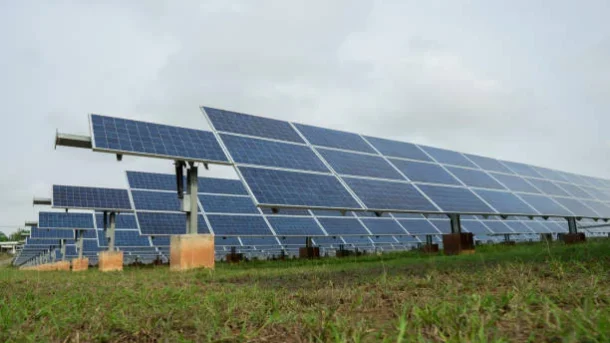
energy sources

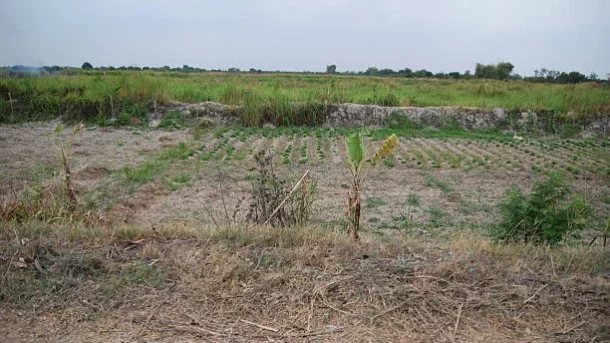
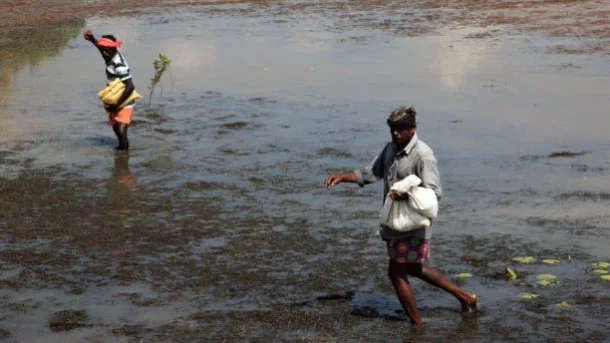
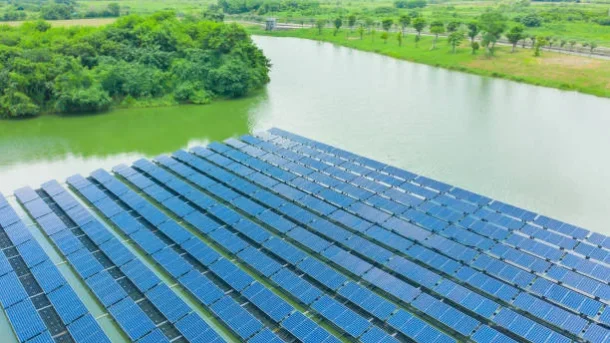
Irrigation: In locations with little rainfall or unstable water sources, irrigation is a crucial part of agriculture. Pumps and distribution systems are frequently powered by energy sources including electricity, fuel, or gasoline in irrigation systems. Farmers’ capacity to access and run irrigation systems efficiently may be hampered by the restricted supply of affordable energy source, which could result in a shortage of water and lower agricultural output.

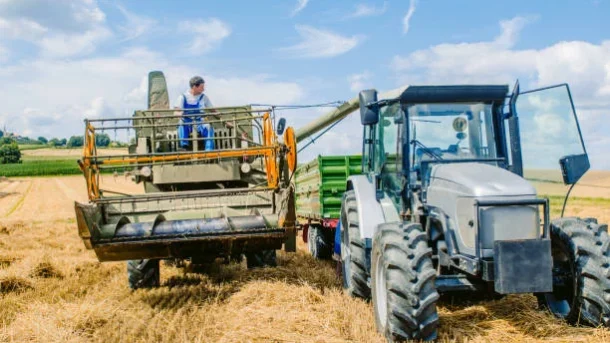
Mechanization: Energy sources are frequently needed for the operation of agricultural machinery and equipment, such as tractors, harvesters, and threshers. Farmers may find it difficult to purchase or use machinery due to a lack of affordable energy, which increases their reliance on labor that can be physically taxing, time-consuming, and inefficient.

Energy sources are necessary for processes like processing, drying, and storing agricultural products after harvest. The operation of machinery, refrigeration systems, and ventilation all require energy in processing facilities like mills or cold storage facilities. Farmers may be unable to effectively process and store their food due to inadequate access to inexpensive electricity, which can lead to post-harvest losses and decreased marketability of their goods.

Energy is required for value-added agricultural processes such food processing, packaging, and preservation. The formation and effective operation of the food processing industries can be hampered by a lack of readily accessible, reasonably priced energy sources, which limits farmers’ potential to add value to their products and access higher-value markets.
How does the lack of access to information and digital technologies hinder farmers’ decision-making processes?

access to information

Limited understanding of best practices: Farmers must have access to information to stay current on new agricultural methods, best practices, and market trends. Farmers might not be aware of new technologies, improved farming practices, or efficient pest management techniques if they lack access to information. They may be unable to embrace strategies that could increase their production and profitability due to their lack of information, which may prohibit them from making wise judgments.

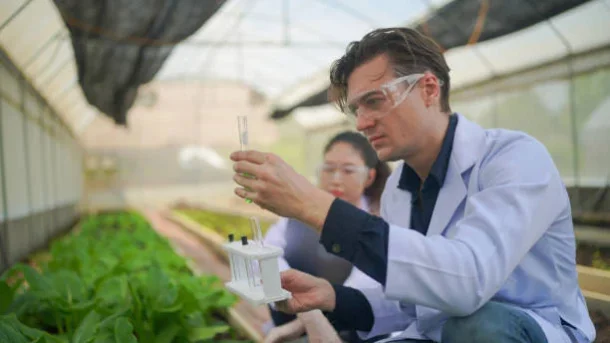
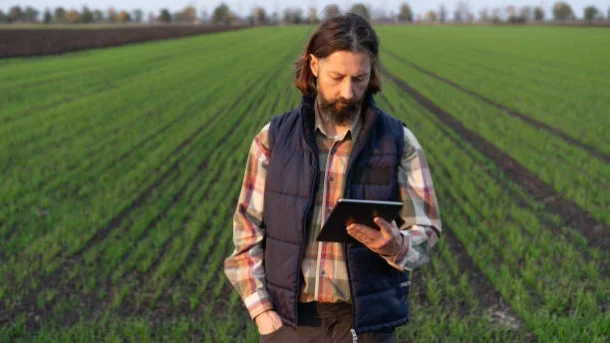
Ineffective resource management: Digital technologies, such as sensors and tools for precision agriculture, can offer real-time information on crop health, weather patterns, and soil conditions. Farmers are able to make better informed decisions about irrigation, fertilizer, and pest management thanks to this knowledge.

Limited market information: Farmers must have access to market data in order to choose the best crops, set fair prices, and time harvests. Real-time market prices, demand predictions, and data on customer preferences can all be found on digital platforms and mobile applications. However, without access to these tools, farmers might find it difficult to comprehend market dynamics, bargain for reasonable prices, and locate possible consumers for their produce.

Reduced access to financial services: Thanks to the transformation brought about by digital technologies, farmers now have access to credit, insurance, and other financial products. Digital platforms and mobile banking make financial transactions easier to complete, increase loan availability, and lower the risks involved with agriculture. Farmers may find it difficult to obtain formal financial services without access to these technology, which would limit their capacity to invest in better inputs.

How does the limited availability of land and competition for resources affect agricultural expansion?

agricultural

Land scarcity: As the world’s population rises, there is a finite amount of land that can be used for agriculture. The amount of land that is accessible for farming generally decreases as a result of urbanization, industrialization, and infrastructural development that frequently encroach on agricultural land. The lack of available land makes it difficult to increase agricultural production and satisfy the rising food demand.

Land degradation and intensification: To optimize output from scarce land resources, farmers may turn to increasing agricultural practices in response to a lack of available farmland. This may entail using more fertilizers, herbicides, and machinery. However, if intensive farming methods are not managed responsibly, they can result in soil erosion, land degradation, and loss of soil fertility, further reducing the potential for development.

Water scarcity: Another barrier to agricultural expansion is competition for limited water supplies. The supply of irrigation water for agriculture is decreased by water shortage, which is made worse by climate change and rising water demands from other industries. Crop growth, yields, and the expansion of farming operations can all be hampered by a lack of water supplies.

Access to inputs: The spread of agriculture may be hampered by a lack of resources like seeds, fertilizer, and pesticides. Prices for these inputs may increase due to high demand and fierce competition, making them less accessible and affordable, especially for small-scale farmers. The expansion of agricultural activity is restricted by the lack of access to necessary inputs, which also affects output.

What are the challenges faced by farmers in accessing affordable and reliable agricultural machinery and equipment?

machinery and equipment

High upfront costs: Tractors, harvesters, irrigation systems, and processing machines are just a few examples of the agricultural machinery and equipment that frequently have high upfront costs. These equipment purchases often involve a sizable capital expenditure, which may be out of reach for small-scale and resource-constrained farmers. The expense of purchasing new equipment might restrict access and impede agricultural technology growth.

Financing options are scarce for farmers, who frequently cannot afford to finance the purchase of agricultural equipment. Due to perceived hazards connected with agriculture, such as erratic weather and market uncertainties, banks and other financial institutions may be reluctant to offer loans or credit facilities for machinery. Because of their limited financial options, farmers find it challenging to purchase the machinery they require.

Infrastructure and logistics: The movement and storage of agricultural machinery and equipment can be hampered by inadequate infrastructure, such as inadequate road systems or a lack of storage facilities. Particularly during off-seasons or when they are not in use, farmers may experience challenges transporting the machinery to their farms or properly storing it.

Market fragmentation: In some areas, there may be a large number of brands, models, and suppliers in the market for agricultural machinery and equipment. Farmers may find it difficult to locate dependable and appropriate machinery solutions due to misunderstanding and a lack of standardization.

How does the lack of research and development investments hinder innovation in agriculture?

research and development

Limited technological progress: R&D expenditures are essential for advancing agriculture’s technology. These investments aid in the creation of novel crop varieties, enhanced agricultural techniques, mechanization, precision farming, and eco-friendly farming methods. Without sufficient financing for research and development R&D, technical advancement moves more slowly, making it harder to access cutting-edge equipment and methods that could boost agricultural output, sustainability, and resilience.

Inadequate responses to new problems: Agriculture has several difficulties, such as pests and illnesses, soil deterioration, water scarcity, and shifting consumer needs. Investments in research and development R&D are required to address these issues by creating cutting-edge technology and solutions. Research into climate-resilient crops, sustainable production methods, precision agricultural technologies, and other farming aids is lacking due to a lack of financing.

Limited adoption and knowledge transfer: R&D investments not only produce new knowledge and technology but also make it easier for people to use and accept them. research and development R&D initiatives offer advice, best practices, and extension services based on evidence to assist farmers in understanding and utilizing novel ways. The dissemination of new technology and techniques to farmers is hampered by a knowledge transfer gap caused by insufficient R&D investments. Due to slower adoption rates, innovations’ potential effects on farm productivity and sustainability are constrained.

Inadequate capacity building and human capital development: R&D investments help the agricultural sector increase capacity and develop human capital. The training of scientists, researchers, technicians, and extension personnel who may promote innovation and information dissemination is supported by these investments. Lack of R&D funding decreases.

What are the problems caused by land fragmentation and small landholdings in the agricultural sector?

small landholdings

Reduced economies of scale: It might be difficult for small landholdings to achieve economies of scale. Small-scale and dispersed farmers may find it difficult to take advantage of technology, contemporary farming methods, and effective resource management. Small-scale farmers may find it financially difficult to implement sophisticated agricultural technology due to the high cost of machinery and equipment relative to the area of the field, which can lead to reduced production and restricted profitability.

Small landholdings may make it more difficult for farmers to get finance and resources. Small landholdings are frequently viewed by financial institutions as higher-risk collateral, making it difficult for small-scale farmers to get loans or use financial services. As a result, they are less able to spend money on things like high-quality seeds, fertilizer, irrigation systems, and machinery.

Fragmented land management and inefficiencies: Implementing cohesive and coordinated farming plans can be difficult as a result of fragmented land management techniques. Small landholdings may be administered by a number of owners or inheritors, leading to conflicting interests, divided decision-making, and challenges in putting long-term land management plans into action. This may result in inefficient use of resources, productivity inefficiencies, and difficulties implementing sustainable and comprehensive land management techniques.

Low resilience and limited crop diversification: Farmers’ capacity to expand their agricultural operations is frequently constrained by small landholdings. Farmers may be forced to concentrate on a small number of crops or practice subsistence farming due to the restricted land available, which restricts their capacity to seize market opportunities or adapt to shifting market demands.

How does the lack of infrastructure for rural electrification hinder technological advancements in agriculture?

electrification

Limited access to power-driven agricultural machinery and equipment: Tractors, irrigation systems, threshers, and grain mills all require electricity to operate. Farmers sometimes rely on manual labor or out-of-date, ineffective tools and equipment in rural areas without electrification. Their capacity to embrace cutting-edge technologies that can considerably increase productivity, efficiency, and profitability in agriculture is limited by the lack of electricity.

Limitations on irrigation systems: In order to operate irrigation systems, including pumps and water distribution networks, electricity is required. Farmers may encounter difficulties getting access to dependable and reasonably priced power for their irrigation needs in areas lacking rural electrification. This may make it more difficult for them to effectively irrigate crops, which could lead to a shortage of water, lower crop yields, and increased vulnerability to droughts.

Post-harvest losses in agriculture can be substantial, and it’s important to utilize the right handling, storage, and processing methods to reduce these losses. But a lot of post-harvest innovations, such cold storage facilities, machinery for processing, and drying systems, need electricity to work properly. Without rural electricity, farmers might not have the infrastructure to implement these technologies, which would result in higher post-harvest losses and lower-quality agricultural output.

Information and communication technologies (ICT) have limited access because they require electricity in order to be accessed and used in agriculture. ICT resources, like computers, internet access, and mobile applications, can give farmers useful knowledge about weather forecasts, market prices, pest control, and farming practices.

What are the challenges faced by farmers in adopting and implementing good agricultural practices?

good agricultural practices

Knowledge and awareness: Farmers may face serious difficulties if they lack knowledge and awareness of the advantages and methods of good agricultural practices GAPs. Many farmers might not be aware of the most recent findings and recommended procedures in sustainable agriculture, such as crop rotation, agroforestry, integrated pest management, and soil and water management methods. Farmers’ capacity to properly adopt and apply GAPs may be hindered by a lack of access to information, training, and extension services.

Adopting good agricultural practices GAPs frequently necessitates having access to resources and inputs including high-quality seeds, fertilizer, herbicides, and farm equipment. Small-scale farmers who might not have the financial resources to invest in these resources may find it difficult to get these inputs due to their limited supply or high cost.

Technical expertise: Building technical expertise and ability is frequently necessary for the implementation of good agricultural practices GAPs. Farmers must comprehend and put into practice sophisticated procedures for managing soil, integrated pest management, water conservation, and other sustainable agricultural methods. Farmers’ capacity to acquire the skills and information required for a successful adoption of GAPs may be hampered by limited access to training programs and technical assistance.

Financial restrictions: The switch to GAPs could necessitate initial investments in infrastructure, tools, and inputs. Farmers may experience financial difficulties when making these investments, particularly if the rewards are delayed or if funding is difficult to come by. Farmers may be hesitant to embrace GAPs due to a lack of financial incentives or support systems for sustainable farming techniques.

How does the depletion of natural resources, such as water and fertile land, pose challenges in agriculture?

depletion

Challenges with irrigation and water scarcity: Agriculture requires a lot of water, and as a result of resource depletion, there may be a shortage of freshwater, especially in areas that are prone to drought. Farmers encounter difficulties obtaining sufficient water for irrigation as water sources become scarcer, which has an impact on crop development and production. Additionally, as a result of water shortage, household, industrial, and agricultural sectors all compete more fiercely for water supplies.

Reduced soil fertility and degradation: Fertile land is necessary for good crop production, but its depletion can happen as a result of unsustainable farming methods, such as overusing chemical fertilizers, having poor soil management, eroding land, and cutting down trees. Farmers struggle to preserve soil fertility on damaged or lost fertile land, which negatively affects crop productivity and the environment.

Agriculture depends on ecological services including nutrient cycling, natural pest control, and pollination, all of which depend on biodiversity. Natural resource depletion can cause habitat loss, fragmentation, and degradation, which will reduce biodiversity and impair ecosystem processes. Without these ecosystem services, farmers could be forced to rely more on artificial inputs, like chemical pesticides and fertilizers, to make up for the loss of natural processes, which would increase their dependency on them and increase their costs as well as the risk to the environment.

Climate change effects: Agriculture is more susceptible to the effects of climate change as a result of the depletion of natural resources. The availability and timing of water for irrigation are impacted by water scarcity and variations in precipitation patterns.

What are the issues related to food waste and loss in the agricultural value chain?

waste and loss

Food waste and loss in the agricultural value chain result in a considerable loss of edible food that could otherwise be utilized to feed people, which has an impact on food security. In areas where access to food is already scarce, this loss exacerbates food insecurity and makes people hungry. Improving food security and lowering global hunger require addressing food loss and waste.

Economic losses: For farmers, food producers, and distributors, food waste and loss represent a considerable economic loss. The resources used to produce, process, package, and transport the food are also wasted when it is wasted or lost at various points along the agricultural value chain. Businesses suffer financial losses as a result, which also lowers the agriculture sector’s overall profitability and competitiveness.

Environmental impact: Food waste and loss have a big impact on the environment. Food waste results from the loss of resources used in the growing, processing, and distribution of food, such as land, water, energy, and inputs. The production of food that is wasted has an impact on the environment since it increases greenhouse gas emissions, water use, and energy consumption. Methane, a strong greenhouse gas, and landfill trash are two more effects of food waste.

Loss of agricultural productivity: Pests, illnesses, and poor storage conditions cause food loss not only during the post-harvest and distribution phases, but also in the pre-harvest phases. Such losses decrease the effectiveness of the entire agricultural value chain and represent a waste of agricultural productivity.