Irrigation

How are farmers using data analytics and remote sensing for decision making?

data analytics

In order to better their farming practices and make informed decisions, farmers are increasingly utilizing remote sensing and data analytics technologies. Here are some examples of how these technologies are used:

Monitoring and Analysis of Crop Yields: Data analytics platforms and remote sensing tools give farmers the ability to precisely monitor and assess crop yields. Data on crop performance across fields is gathered via yield monitoring systems, such as yield monitors and combine harvesters with yield mapping capabilities. Farmers can discover production variances, evaluate the efficacy of various practices, and make data-driven decisions for next planting, fertilization, or irrigation strategies by analyzing this data.

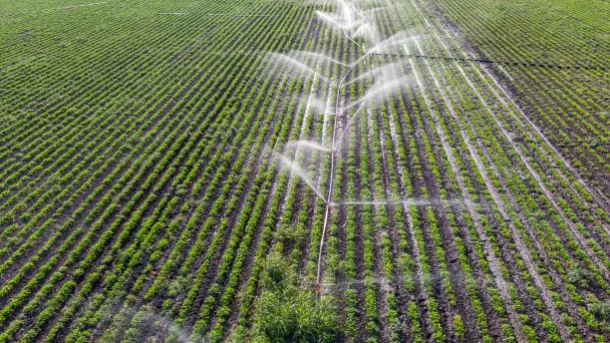
Application of Variable Rate in Precision Agriculture: Data analytics and remote sensing technologies are essential to precision agriculture. High-resolution information on crop health, nutrient levels, and pest infestations can be obtained using remote sensing equipment including satellites, drones, and aerial images. Farmers can use this information to construct variable rate prescription maps, which let them apply fertilizer, herbicides, and irrigation precisely based on the needs of various fields. This focused strategy minimizes negative environmental effects, lowers input costs, and optimizes resource use.
How is the agriculture sector addressing water pollution and nutrient runoff?

nutrient runoff

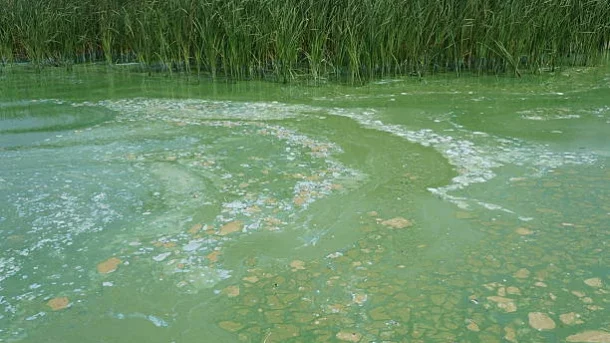
The agriculture industry is implementing a variety of actions to address the serious environmental problems of water contamination, nutrient runoff and fertilizer runoff. Here are some crucial strategies:

Best Management practices (BMPs): BMPs are rules and methods intended to lessen nutrient runoff and water pollution from agricultural activities. Precision nitrogen management, cover crops, conservation tillage, buffer strips, and the use of vegetative filters are some of these techniques. BMPs work to reduce nutrient runoff by minimizing the use of fertilizers and pesticides, reducing soil erosion, and improving water infiltration.

Planning for nutrient use: Planning for nutrient use includes determining the nutrients that crops will need and applying fertilizers in a targeted and effective way. Farmers should minimize the danger of extra nutrients seeping into water bodies by optimizing fertilizer application rates and timing while taking soil conditions, crop nutrient requirements, and nutrient cycling into account.

Setting up conservation and riparian buffer zones alongside water bodies aids in capturing and filtering nutrients before they reach streams and rivers. These vegetated regions serve as a buffer, preventing soil erosion, removing surplus nutrients, and encouraging water infiltration.

How are sustainable irrigation practices being promoted and adopted?

sustainable

Various techniques and activities are being used to promote and adopt sustainable irrigation practices. Here are some crucial strategies:

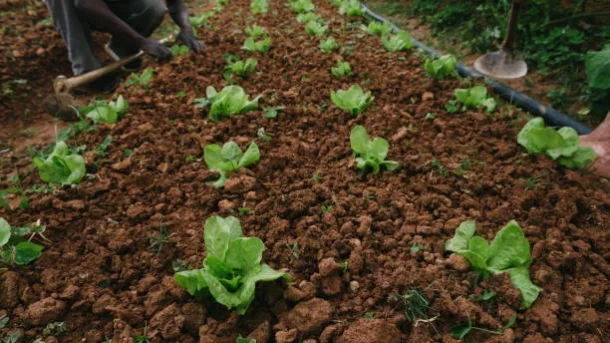
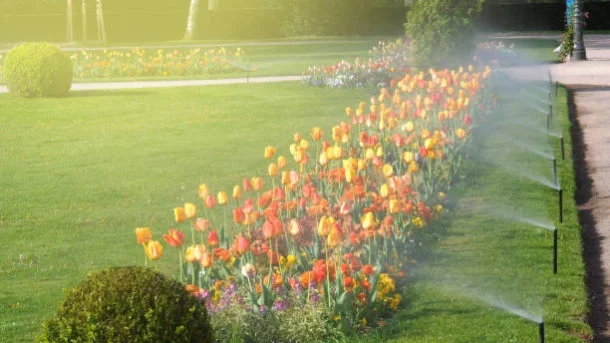
Improved Water Management: Improving farm water management is the first step in promoting sustainable irrigation techniques. Adopting techniques and technology like drip irrigation, precision watering, and micro-sprinklers that maximize water consumption efficiency is part of this. These techniques reduce evaporation and runoff by delivering water directly to the root zone of plants.

Water-Saving Technologies: Using water-saving technologies is essential for long-term irrigation. Soil moisture monitors, weather-based irrigation controllers, and automated irrigation systems are some of these technologies. With the use of these gadgets, farmers can keep an eye on the weather and soil moisture levels, allowing them to irrigate depending on the actual demands of the crop and minimizing water wastage.

Irrigation Scheduling and Crop Water Needs: Proper irrigation scheduling and crop water needs must be made clear to farmers in order to ensure sustainable irrigation. Farmers may maximize water use and reduce over-irrigation by receiving guidance and training on how to choose irrigation timing, frequency, and duration based on crop growth phases and soil conditions.

Implementing water conservation measures coupled with irrigation can help ensure the long-term sustainability of water consumption. The use of mulching to lower evaporation, improving field levelling and soil preparation to prevent water pooling, and using controlled drainage to keep water in the root zone are a few examples of these practices. It’s crucial to maintain irrigation infrastructure properly to reduce water loss from leaks and inefficiencies.

How is the use of robotics and automation improving efficiency in farming operations?

robotics and automation

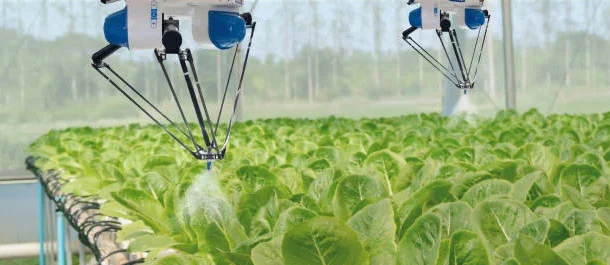
Agriculture is being revolutionized by the use of robotics and automation in farming operations, which boosts production, sustainability, and efficiency. Here are some examples of how robotics and automation are benefiting society:

Precision farming uses robots with sensors, cameras, and GPS to gather information on the soil, the health of the plants, and crop development. Due to the precise decisions that can be made by farmers regarding irrigation, fertilization, and pest management, resources are used optimally, and crop yields are increased.

Robotic vehicles, including self-driving tractors, are able to carry out a variety of operations automatically, including plough, seed, and harvest. These machines run precisely and consistently, which lowers labour costs, reduces room for error, and boosts productivity.

Crop monitoring and management: Unmanned aerial vehicles (UAVs) and drones with imaging sensors may monitor crops in real time, spotting irregularities, illnesses, or nutritional deficits. With less need for manual scouting and better crop management overall, farmers can target specific regions for intervention.

What are the challenges and opportunities in transitioning to a bio-based economy?

bio-based economy

There are potential and challenges associated with the transition to a bio-based economy, where renewable biological resources are employed to produce food, materials, and energy. Here are some crucial things to remember:-

Efficiency and Scale: Increasing bio-based output to satisfy global demand can be difficult. To ensure cost-effectiveness and competitiveness in comparison to conventional fossil-based sectors, manufacturing efficiency must be increased, and supply networks must be optimized.

Technology Development: It’s essential to create and market cutting-edge technology for bio-based production methods. To increase productivity, cut expenses, and maximize resource usage, research and development efforts are necessary.

Feedstock Availability: It is difficult to guarantee a steady supply of biomass for bio-based companies. It is vital to strike a balance between the need for biomass and environmental factors including land use, water availability, and biodiversity preservation.

Frameworks for policy and regulation: Creating enabling policies and rules is crucial for the shift to a bio-based economy. It is necessary to design policies that encourage bio-based production, offer financial assistance, and handle any potential negative social and environmental effects.

How are governments and organizations promoting sustainable agriculture in developing countries?

governments and organizations

In order to encourage sustainable agriculture in emerging nations, governments and organizations are essential. They are assisting in this endeavor in the following notable ways:

Support for Policy: Governments are developing laws and rules to promote sustainable agricultural practices. Incentives for the adoption of sustainable farming practices, including organic farming, agroecology, and conservation agriculture, are part of this. Through rules and regulations, governments also support the preservation and sustainable use of natural resources like biodiversity, water, and land.

Governments and organizations provide agricultural extension workers and farmers with training programmes and capacity-building initiatives. These courses impart knowledge and abilities on sustainable farming methods, such as agroforestry, integrated pest management, water management, and soil conservation. By increasing their technical ability,

For farmers to invest in sustainable agriculture, they must have access to financing and credit. Governments and organizations assist small-scale farmers in gaining access to affordable credit and financial services, such as agricultural loans and microcredit. They also encourage the creation of agricultural funds and guarantee programmes that offer funding and risk-reduction for projects promoting sustainable agriculture.

What are the implications of land degradation and soil erosion in agriculture?

land degradation and

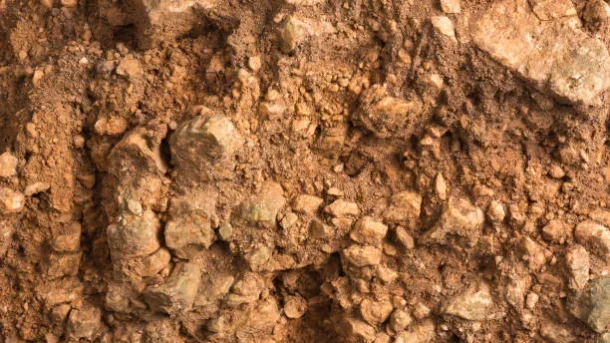
Reduced Soil Fertility: The loss of topsoil, which is rich in nutrients essential for plant growth, can be caused by land degradation and soil erosion. Soil fertility declines as a result, which has an impact on agricultural productivity. Lower yields, lower quality agricultural produce, and a greater reliance on synthetic fertilizers can all result from nutrient depletion, which can have negative effects on the environment and the economy.

lower Water Holding Capacity: Because of the loss of organic matter and soil structure, eroded soils frequently have lower water holding capacity. Increased soil moisture deficits and increased irrigation needs may arise from this since water runoff and infiltration may be reduced and increased, respectively. land degradation and soil erosion’s effects on agricultural output might be further exacerbated by a lack of water or by ineffective water management techniques.

The loss of fertile soil and the exposing of less productive subsoil are the results of soil erosion, which is the process by which the top layer of soil is removed by water or wind. Water can carry away eroded soil particles and deposit them in water bodies, generating sedimentation. This sedimentation can harm aquatic ecosystems, degrade the quality of the water, and diminish reservoirs’ ability to store water.

What are the recent advancements in aquaculture and fish farming?

fish farming

Enhancing sustainability, production, and the wellbeing of farmed fish have been the main goals of recent breakthroughs in aquaculture and fish farming. Here are a few noteworthy developments.

Recirculating Aquaculture Systems (RAS): A closed-loop system, RAS circulates and filters water inside fish tanks to save water and have a less negative impact on the environment. Fish health and growth are recent improved thanks to RAS since it enables better control of water quality, disease prevention, and waste management.

The goal of integrated multitrophic aquaculture (IMTA) is to cultivate various species in the same aquatic ecosystem while minimising the effects on the environment. fish farming waste, for instance, can be used in conjunction with the growing of seaweed or shellfish to create a symbiotic connection where one species benefits from the nutrients provided by the other.

Genetic improvement programmes concentrate on breeding fish with desirable qualities, such as disease resistance, quicker growth, and increased feed conversion efficiency. These fish are referred to as genetically enhanced farmed species (GIFS). These initiatives seek to lessen dependency on wild fish sources while improving the performance and production of farmed fish.

How are farmers adapting to water scarcity and drought conditions?

drought

Soil moisture monitoring: Farmers monitor soil moisture levels and water availability, drought in real-time using sensors and monitoring systems. They can use this information to decide when and how much water to apply with confidence. Farmers may optimise water use and save waste by staying away from over-irrigation and making sure that water is applied only when necessary.

Crop rotation and selection: Farmers rotate their crops and pick crop varieties that are more resilient to water scarcity in arid climates. Crops that can withstand drought, such as some types of sorghum, millet, and some legumes, are grown in regions where water is scarce. Crop rotation practices reduce the overall need for irrigation by alternating crops with differing water requirements, which contributes to efficient water resource management.

In order to adapt to the water shortage and drought circumstances, farmers are using a variety of tactics and using cutting-edge practises. In difficult water-scarce conditions, these modifications seek to maximise water use, increase water efficiency, and preserve agricultural productivity. Here are some crucial strategies that farmers are using.

Modern irrigation techniques that maximise water efficiency are being adopted by farmers more and more. For instance, drip irrigation provides water straight to plant roots, minimising runoff and lowering water loss due to evaporation. In order to focus water application more accurately and make sure that water reaches the crops successfully, other techniques are also utilised, such as sprinkler irrigation, precision sprinklers, and micro-sprinklers.

How is IoT technology being implemented in smart irrigation systems?

smart

Applications for smart farming are a major factor in improving food traceability throughout the agricultural supply chain. Smart farming makes ensuring there is transparency and traceability from farm to fork by utilising a variety of technologies and data-driven solutions. For food traceability, the following smart farming applications are used.

IoT Sensors and RFID Tags: Throughout the supply chain, different parameters are tracked and monitored using Internet of Things (IoT) sensors and Radio Frequency Identification (RFID) tags. To gather information on temperature, humidity, soil moisture, and pesticide use, IoT sensors can be installed in fields and farms. To track the movement and status of individual products as they travel through the supply chain, such as crates or pallets, RFID tags are affixed to them.

Automated Decision-Making: Algorithms for automated decision-making decide when and how much water should be applied to the crops based on the data that has been analysed. To optimise irrigation scheduling and reduce water waste, these algorithms take into account elements including soil moisture levels, crop water requirements, weather forecasts, and historical data.

IoT technology allows for the remote monitoring and management of irrigation systems. Through web-based or mobile applications, farmers and agronomists can access real-time data and manage irrigation settings. This enables the system’s performance to be monitored, watering schedules to be modified, and irrigation equipment to be remotely turned on or off as required.