Irrigation

How Rainwater Harvesting solves the water shortage?

Rainwater

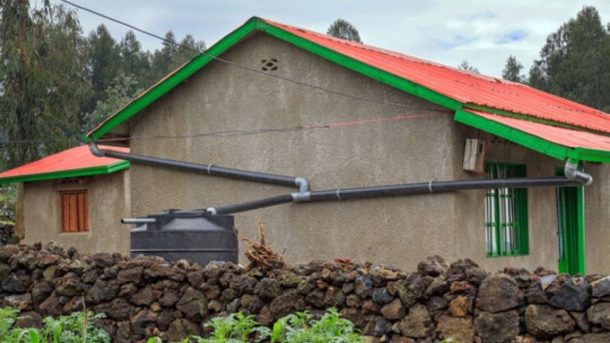
Harvesting and collection of rainwater is a proper method that can be used to address the problem of the water crisis in various parts of the world. This water conservation technique can be used to put forward a remarkable solution in areas where there is enough rainfall but not enough supply of groundwater.

 Bangalore is a good example where rainwater harvesting can become very beneficial. Bangalore is an area with a very high population and an area that also has to deal with water shortages. With these in mind, practicing water conservation methods such as rain water harvesting is a perfect way to ensures an increased supply of water.

What is Rainwater Harvesting?

Rainwater

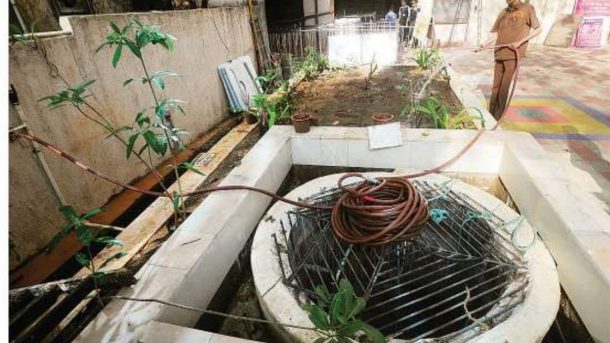
Rain water Harvesting is a simple technique by which rainfall is collected for future usage. The collected rainwater may be stored, utilized in dissimilar ways or directly used for recharge purposes. With depleting groundwater level fluctuating climate conditions. RWH can go a long method to help mitigate these effects. Capturing the rainwater can help recharge local aquifers, reduce urban flooding & most importantly, ensure water availability in water scarce zones. While the term seems to have picked up greater visibility in the last few years, it was and is even today a traditional practice followed in rural India. Some ancient rainwater harvesting technique followed in India includes madakas, ahar Pynes, surangas and many more.

How often does aloe Vera need watering?

aloe Vera

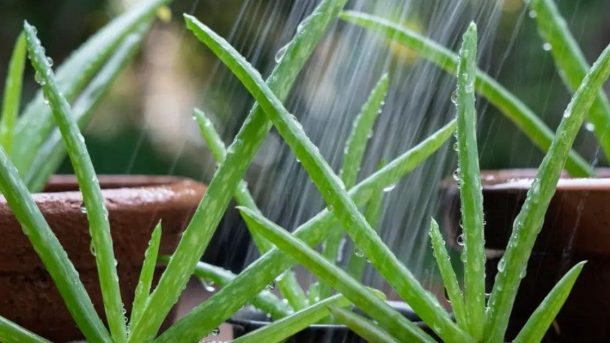
Aloe Vera plants need to be watered deeply, but care should be taken so that the soil is allowed to dry before the next watering session. Watering once in three weeks is a better option if you have Aloe Vera in your kitchen garden. For commercial cultivation of Aloe Vera, 4 to 6 irrigation cycles should be sufficient during the entire growing process, i.e., a plant requires 150 ml of water per month so as to produce a leaf of 1 kg weight.

Does Aquaponics save water?

Aquaponics

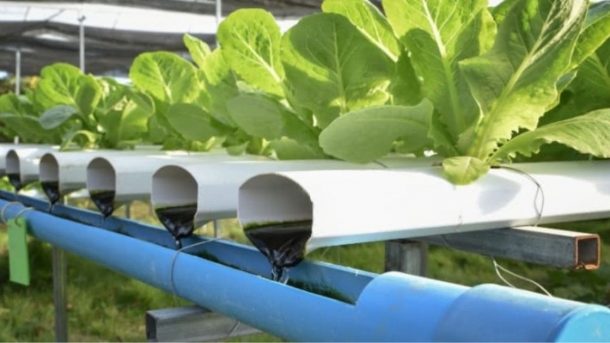
In traditional agricultural practices, the water supplied to the plants is lost either through evaporation or due to runoff and doesn’t reach the plants roots properly. Using the best drip irrigation method also cut the water requirement only one-fourth and is in no way comparable to Aquaponic systems. The Aquaponic system uses every bit of water over and over again because the n off water that is not used by the plants is recaptured, sent into the aquaculture tank where it gets nutrient rich by the fish waste and is possibly returned to the plants after detoxification. So obviously, Aquaponics saves water to a large extent and the only form of water loss in these systems could be leaking or evapotranspiration.

When and how to water cardamom plants?

cardamom

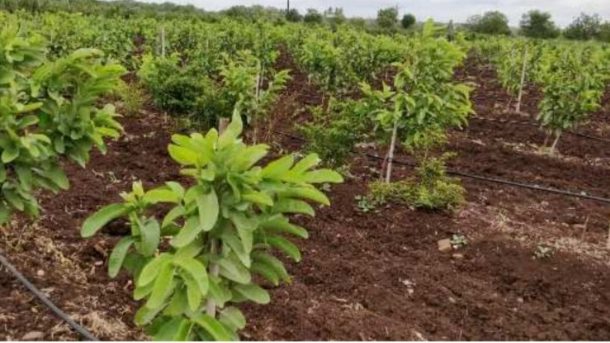
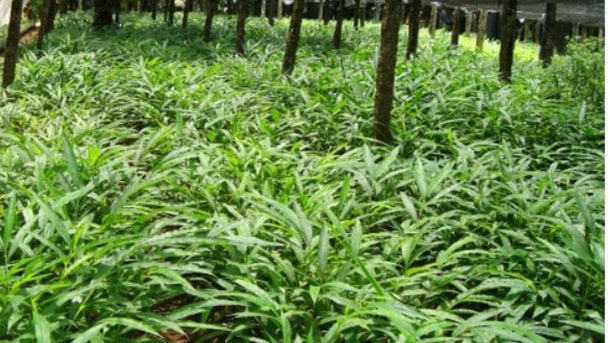
Frequent watering 1 week to 2 weeks interval is required during the hot summer months. Regular watering helps in panicle initiation, the flowering of plant and fruit set. Make sure the soil has enough moisture level all the time. Overhead irrigation process/ method is best suited to cardamom plantations. Drip irrigation also found beneficial in the cardamom crop.

How hydroseeding helps to conserve water?

hydroseeding

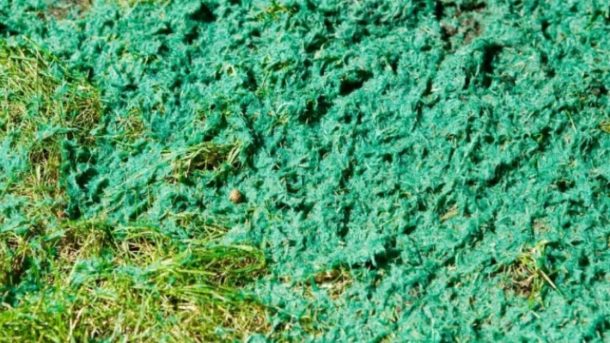
During the germination method, hydroseeding requires an abundant water supply. Eventually the grass that sprouts is quite drought resistant. Some hydro seeded grasses could hold up to 10 times their weight in water. Mulch and tackifiers aid in water retention and gradually release moisture and nutrients to the root system. Also, the root system forms deep into the soil where the water level is particularly high.