Nutrient requirement

How do oil cakes help plants?

oilcakes

 Oil cakes can help plants in several ways:

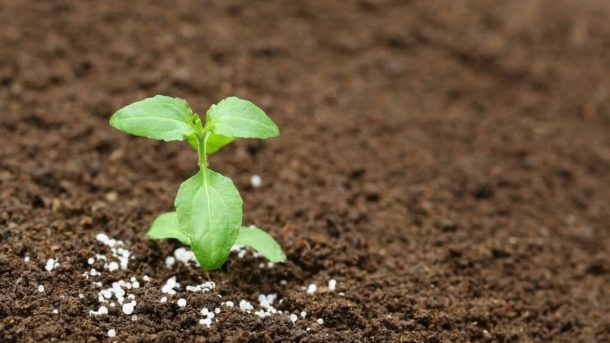
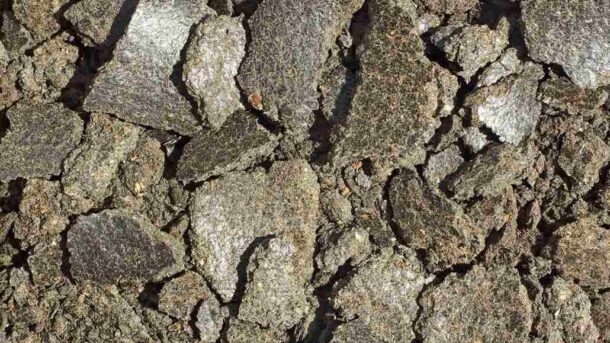
Nutrient-dense fertilizer: Oilcakes are high in nitrogen, phosphorus, and potassium, all of which are essential plant nutrients. The use of oil cakes as a fertilizer can improve soil health and crop yield.

Soil improvement: By adding organic matter to the soil, oilcakes can improve soil structure and fertility. This can aid in reducing soil erosion, increasing water retention, and encouraging healthy root growth.

Pest control: Natural compounds in oilcakes can act as a repellent to pests, reducing the need for chemical pesticides.

Nitrogen-fixing bacteria: Nitrogen-fixing bacteria can be found in some oilcakes, such as soybean oilcake. These bacteria aid in the conversion of atmospheric nitrogen into a form that plants can use, thereby increasing soil nitrogen content.
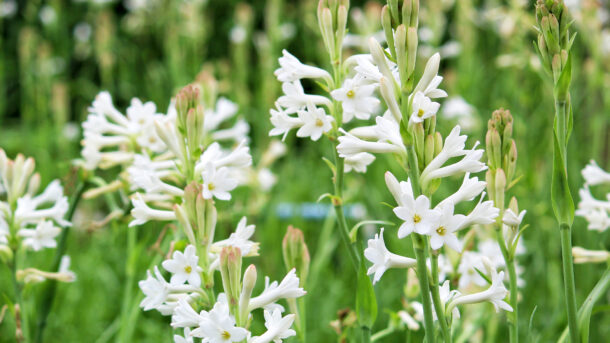
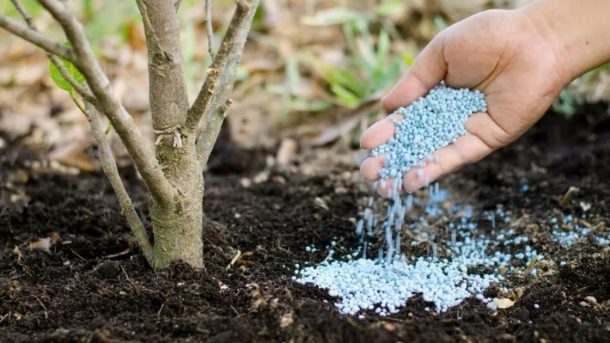
Management of Nutrient in tuberose.

tuberose

Tuberose reacts well to the application of organic and manures. Not only FYM (20 tonnes/ha) but also a fertilizer dose of 100 kg N, 50 kg P2O5 and 70 kg K2O per hectare is suggested for tuberose production.

Foliar spray of ZnSO4 0.5% + FeSO4 0.2% + Boric acid 0.1% improves growth and flowering. For achieving increased essential oil content in flowers and for the maximum recovery of concrete, a fertilizer dose of 80 kg N, 60 kg P2O5 and 40 kg K2O per hectare has been advised.

How Fertilizer management is done for healthy plant growth of passion fruit?

growth

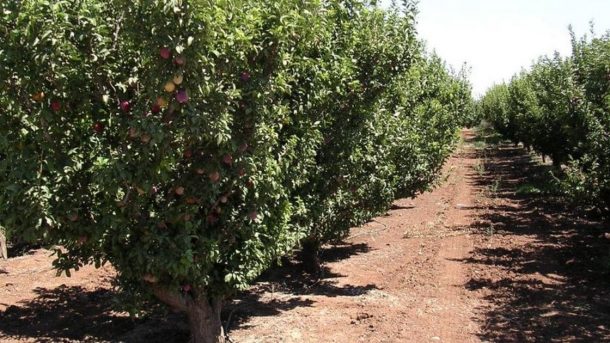
Passion fruit vines provide heavy food, which means they need plenty of fertilizer to ensure healthy growth during their growing season. A balanced 10-10-10 or similar all-purpose formula should be applied every three weeks. But, again, be careful when fertilizing because the fruit vines are susceptible to salt buildup in their soil. The nutritional requirements of the passion fruit depend on the age and stage of development, viz., Vegetative growth, plant coming in bearing, and total production stage. N 150, P 100, and K 200 kg/hectare is the approximate nutrient requirement of passion fruit. Nutrients should be distributed after harvesting.

Organic manures are essential for strong and productive plants with regular and maximum yields. Oil cake is also applied in some areas. 10 kg FYM per vine is recommended during the first year of planting and 15 kg FYM per vine from the second year. A mixture of FYM and vermicompost in the ratio of 4: 1 or 3: 1 and oil cake gives excellent results, but most farmers are not applying it due to the limited availability of vermicompost. Manure should be used in February-March. Nutrient management depends on the age and stage of growth of the vines. Organic manures should be added more for better fruit production. Keep the soil evenly moist to produce the best fruit. If the soil dries out, the fruit will shrink and drop. Passion fruit is a heavy feeder. Too much nitrogen will result in reduced leaf growth and fruit set.

What is the nutritional Requirement for High Density Peach Planting?

nutritional Requirement

The nutritional requirement of Peaches is higher compared to other stone fruits because it bears on one-year growth making the production of annual growth imperative for fruit production. Also, recoupment of the wood removal every year in pruning is necessary.

 Fertilizers are applied every year. A multitude of factors, including soil type, fertility, climate, cultivar, planting density, shoot growth, and irrigation, affect nutritional requirement and fertilizer application in peach orchards. The FYM (farmyard manure) along with a full dose of P and K must be applied during December and January. Half dose of Nitrogen is applied in spring before flowering and the remaining half dose a month later.

What are the manures and fertilizers required for Growing Holy Basil?

Growing

Basil plants are good feeders of manures and fertilizers. Timely application of fertilizers ensures the highest yields and quality oil. Avoid any pesticides and chemicals to control abnormal conditions o the plants. If it is required, use only organic certified fertilizers. Apart from FYM used during land preparation, the recommended inorganic fertilizer application for growing basil crop is 120:60:60 kg/ha of N:P: K or Nitrogen: Phosphorus: Potash (N: P: K): 48:24:24 kg per acre should be applied.

What are the Manures and Fertilizers required for Gerbera Farming?

Gerbera

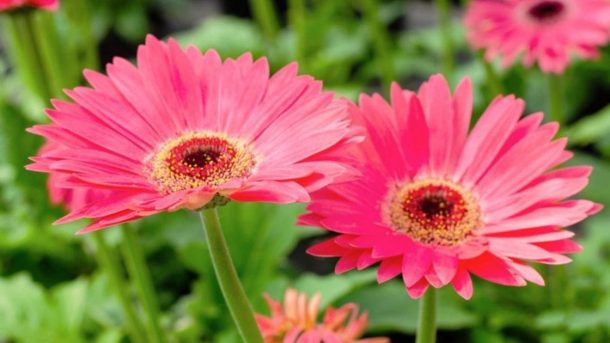
In order to have better growth and excellent yield of Gerbera flowers, field/soil should be incorporated with plenty of organic manure and other major, minor nutrients. Following is the manures and fertilization schedule in Gerbera cultivation.

Apply 8 to 9 kg of Farm Yard Manure (FYM)/square meter. Apply NPK in 12:15:20 grams/square meter during first three months after plantation. Apply NPK in 15:10:30 grams /square/month from fourth month when flowering starts, apply in two split doses @ 2 weeks interval.

Apply micro-nutrients: Spray calcium, boron, copper & magnesium @ 0.15 percent, which is 1.5 grams/liter of water once in 4 weeks gives excellent quality Gerbera flowers.

How Boron deficiency causes damage in carnation?

Boron deficiency

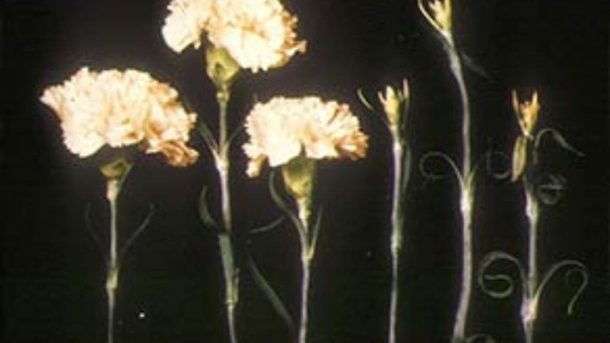
Boron deficiency symptoms on carnation show on the youngest foliage. Leaves are yellow and twisted, and the terminal bud sometimes is dead. Axillary shoot proliferation at upper nodes is common, resembling the witch’s broom effect caused by virus infections in other crops. Flower buds are abnormal and die before opening. The new foliage turns pale brown with a reddish-purple band and partial yellowing of the leaf base.

What are the manures and Fertilizers required for Hibiscus Cultivation?

Hibiscus

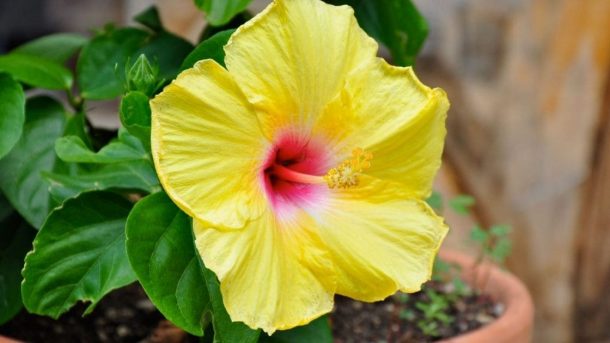
 Hibiscus plant needs lots of nutrients for good blooming. In the summer time, use a high potassium fertilizer. You can either use a diluted liquid fertilizer once a week, a slow-release fertilizer once a month or you can add high potassium compost to the soil. Supplementing the soil with garden compost or applying low phosphorous based fertilizer will result in high blooming. In winter, there is no need of fertilizing the plants.