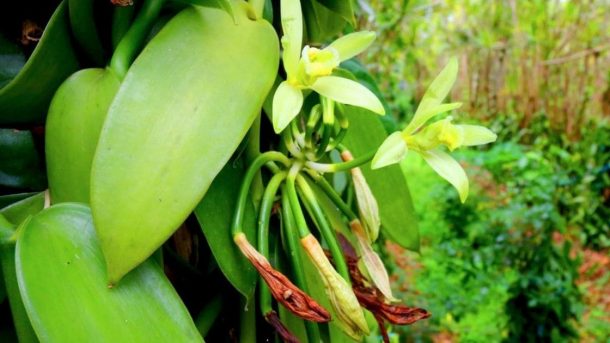
For Vanilla plants, a well composted farmyard manure like cow dung, vermicompost or any organic material such as neem cake is applied. Nitrogen (125 gram) is applied in two split doses in June-July & September-October months. Vermiwash is essential for good growth & yield.
Nutrient requirement
What should be the frequency of fertilizer application in potato and how?
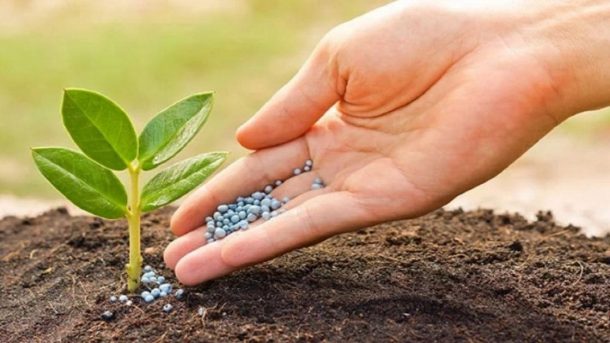
For potato farms, two-third of nitrogen fertilizer and the entire dose of potassium and phosphorous are applied at the time of planting. The remaining nitrogen fertilizer is supplied to the plants at the time of earthing up. The fertilizers around the potato tubers are applied as band placement at a distance of 5 cm away from the tubers.
Is Epsom salt Good for Banana trees?
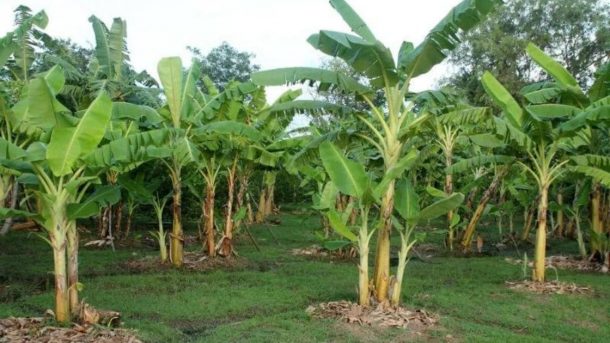
Epsom salts are very beneficial for healthy banana plant growth. It helps in the production of green, abundant leaves and abundant fruits.
How crop nutrition effect on Banana yield?
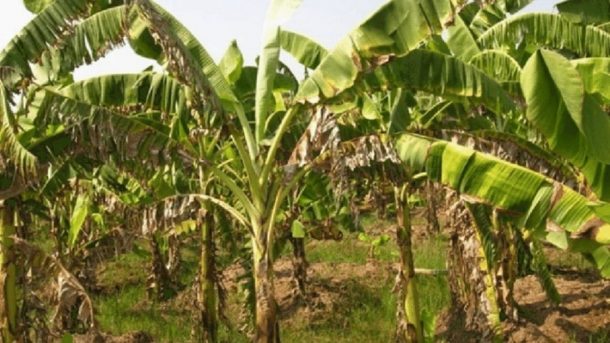
Nitrogen and potassium are key elements in leaf growth, pseudo stem and sucking growth, flower maximization, Banana Fruit set and fill as well production capacity. However, excessive use of nitrogen can weaken the pseudo stem, increasing the risk of storm damage and bunch drop. Too much potassium can lead to calcium and magnesium deficiency and can reduce banana production.
Potassium has a major effect on banana production, which is in demand around flowers. Phosphorous is important for skin growth and root formation as well as for flower and banana fruit sets. Calcium is needed to ensure root, leaf and sucking growth thus yielding high yields. Its effects are most important in ensuring high yielding fruit with long term storage capacity.
Nutritional sprays to increase fruit quantity. Immediately after flower stalk emergence, spraying a mixture of 2 % urea and potassium dihydrogen phosphate helps to increase the number of bunches and fruits.
How Integrated Nutrient Management is done in Pumpkin farming?
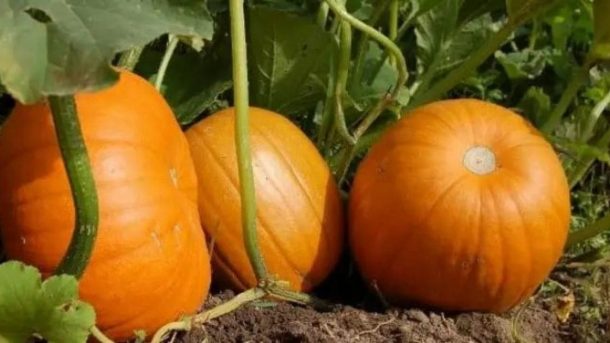
Integrated Nutrient Management (INM) is the proper and coordinated use of nutrients in crop by all possible means to strengthen soil health targeting sustainability. In INM, plant nutrients are provided through organic fertilizers and chemicals to meet the needs of crop. Organic manures are known for improving physical and chemical properties, creating a favourable environment for soil micro-organism and enhancing the efficiency of chemical fertilizer.
How Phosphorus and potassium plays a significant role in finger millet production?
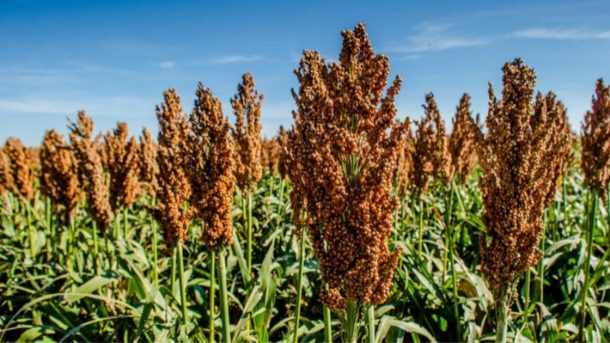
One of the significant problems is growing finger millet facing inherent low soil Phosphorous. It had a unique role in improvising Finger millet production. In very low, medium fertility soils, the recommended use of Phosphorus P by 125% recommended dose of phosphorous (RDP) with recommended N, K and FYM 100% or 75% RDP was maximized whereas, in high P fertile lands, the yield increased at higher rate of P application. Phosphorus utilization efficiency (PUE) was higher at the lower level of P application.
How NPK fertilizers are applied to finger millet farming?
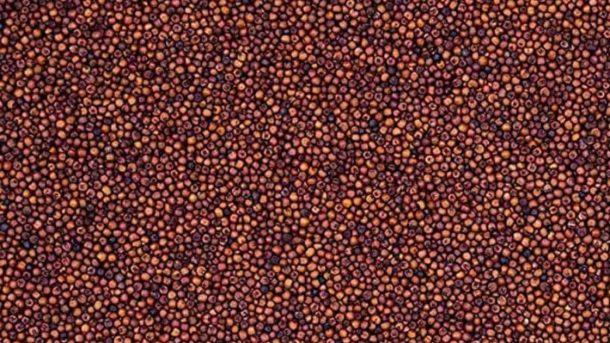
The excess amount of organic matter in the soil is considered beneficial for finger millet. It helps improve the physical soil condition, allowing the soil to retain moisture for an extended period. Fertilizer recommendations based on soil test in Vertisols, Alfisols, Inceptisols, and Entisols can be adopted in Western and North-western Zone to recommended fertilizer doses for specific production targets.
As far as possible, apply NKP fertilizer as recommended soil testing. If soil testing recommendation is not available, following the recommendation of blanket of 60 kg N, 30 kg PO5 and 30 kg K20 per hectare. Before planting, apply a half dose of N and a full dose of N, and a total amount of P205 and K20. Spread the finger millet fertilizer mixture in the field before the last ploughing and add to the soil by ploughing.
What is the use of applying Plant growth substances on snake gourd crop?
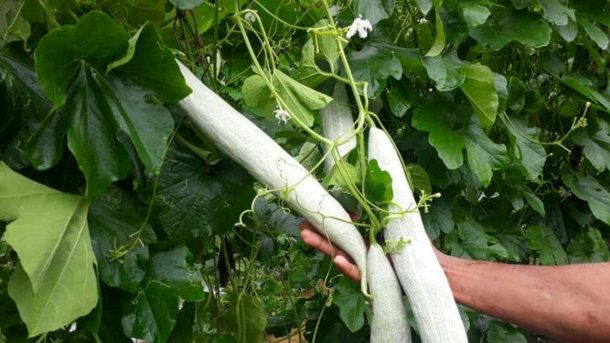
The proportion of female flowers can be increased either by pruning the vines or by applying Ethrel at 150 ppm. Application of 0.1-0.2% potassium naphthenate on 18 days old plants can increase the number of fruits per plant by 20%.
What is the Manurial requirement for Snake Gourd cultivation?
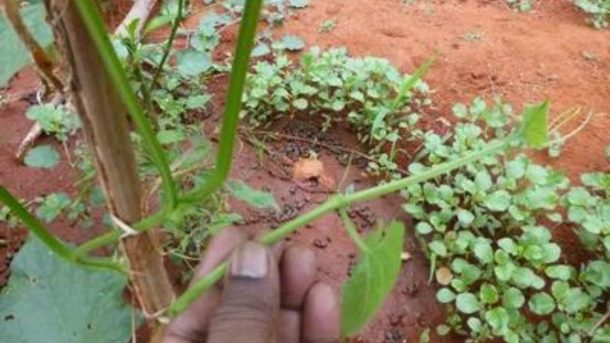
During field preparation, about 10-15 t/ha of well rotten farmyard manure should be incorporated at the time of land preparation. Besides, a mixture of nitrogen 50-70 kg, P2O5 30-40 kg and K2O 30-40 kg per hectare is also applied to get good yield from snake gourd crop. Full amount of P2O5 and K2O and half of nitrogen are applied as basal, and rest amount of nitrogen is top dressed when the plants start bearing.
Snake gourd crop although responds well to fertilizers application but too much application of nitrogenous fertilizer can lead to excessive vine growth and reduced fruit yield due to increased male to female flower ratio.
When to fertilize green gram crop?
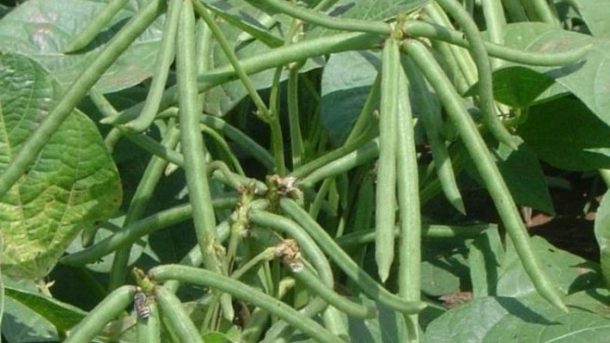
If the soil is alluvial and is rich in organic matter and nutrients, The crop is sown as a normal crop in early summer and fertilizer is applied as recommended for the irrigated crop. In addition, nitrogen top dressing is done with urea with an additional dose of 25 to 30 kg. Since pulses are accustomed to indefinite growth and produce new flushes, the top dressing will be done 40-45 days after sowing.