Organic Inputs

How is machine learning used for predicting market demand in agriculture?

market demand

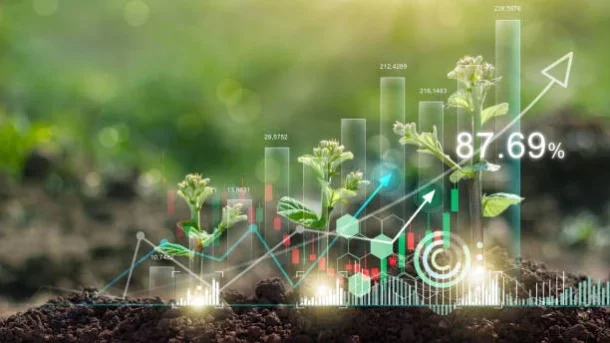
With the use of historical data, current market trends, and other pertinent variables, machine learning is increasingly being utilised to forecast market demand in agriculture. Here is an example of how machine learning is used to forecast market demand.

Data collection: Useful information is gathered, such as past sales figures, industry trends, seasonal patterns, consumer behaviour, and other variables that may affect market demand. This information can be found in a variety of places, including market research studies, governmental databases, and internal corporate files.

The selection of relevant characteristics is necessary for machine learning algorithms to produce reliable predictions. In order to pinpoint the factors that have the greatest influence, feature selection approaches are used. These aspects may include product characteristics, pricing details, marketing initiatives, seasonality, and outside variables like economic data.

Model Training: Using the preprocessed data, machine learning models are trained, including regression, decision trees, random forests, and neural networks. The patterns and connections between the input attributes and market demand are discovered by the models. The models modify their internal parameters during training in order to reduce prediction mistakes.
What is the role of microbial biotechnology in sustainable agriculture?

microbial biotechnology

By using microorganisms to improve many areas of agricultural practises, microbial biotechnology plays a key part in sustainable agriculture. Among the most important functions of microbial biotechnology in sustainable agriculture are as follows.

Biofertilizers: Microorganisms can symbiotically bond with plants or directly improve soil fertility. Examples include nitrogen-fixing bacteria like Rhizobia and phosphate-solubilizing bacteria. These helpful bacteria are found in biofertilizers, which are used to boost nutrient availability and uptake by plants and lessen the need for synthetic fertilisers. This enhances soil health, lowers environmental contamination, and promotes sustainable nutrient management.

Biopesticides: Microbial biotechnology provides pest and disease control agents made from microorganisms like bacteria, fungus, and viruses. The use of these biopesticides supports integrated pest management (IPM) techniques while lowering environmental contamination and health concerns associated with chemical pesticides.

Biostimulants: Microbial-based biostimulants accelerate plant growth, improve nutrient uptake, and increase stress tolerance by containing advantageous microbes or their metabolites. These biostimulants can increase plant toughness, encourage root growth, and raise crop yields. Farmers can lessen their reliance on artificial growth regulators and advance sustainable crop production by utilising biostimulants.

What are the advancements in biofuel production from agricultural waste?

biofuel

In order to generate energy from renewable and sustainable sources, there have been substantial improvements in the manufacture of biofuel from agricultural waste in recent years. Here are some significant developments in this area:

Research has progressed in examining a variety of agricultural waste products as feedstock for the creation of biofuels. Dedicated energy crops, food processing waste, forestry residues, animal manure, and crop residues (such as maize stover, wheat straw, and rice husks) are all included in this. Biofuel production can become more sustainable and less dependent on conventional food crops by expanding its feedstock sources.

A key role is played by enzymes and microorganisms in the enzymatic and microbial conversion of agricultural waste into biofuels. The conversion of cellulose and hemicellulose into fermentable sugars has been facilitated by improvements in enzyme technologies, including the creation of more effective enzymes and enzyme combinations. The performance of microorganisms used for fermentation, such as yeast and bacteria, has also been improved through the application of genetic engineering and metabolic engineering techniques, which has raised biofuel yields and improved fermentation efficiency.

Consolidated Bioprocessing (CBP): CBP is a newly developed method that integrates fermentation, enzymatic hydrolysis, and enzyme synthesis into a single stage. This streamlines the manufacture of biofuel, lowers expenses, and boosts overall effectiveness. CBP uses genetically modified microbes to manufacture enzymes and turn biomass into biofuels in a sustainable manner.

What are the benefits of using smart pest management systems?

smart pest

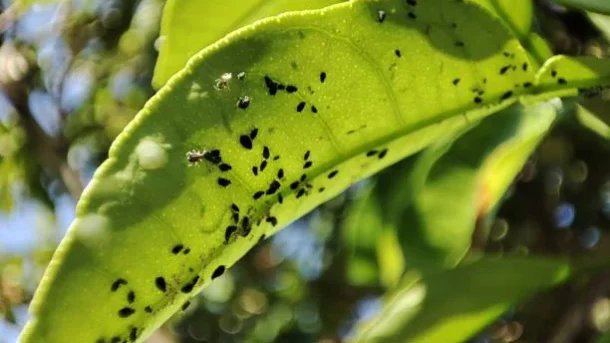
Early Disease and Pest Detection: To identify illnesses and pests at an early stage, smart pest management systems make use of sensors, imaging technology, and data processing. These systems can detect pest infestations before they become severe by continuously monitoring fields and crops. This enables quick intervention and reduces considerable damage.

Targeted and accurate Treatment: Smart pest control solutions make it possible to treat pests in a targeted and accurate manner. These systems can choose the best time, place, and amount of pest control measures by using data from sensors, satellite imaging, and weather forecasts. This focused strategy enables effective pest management while minimising the use of pesticides and their negative effects on the environment.

Better Crop Health and Quality: By assuring prompt and effective pest control methods, smart pest management systems assist maintain crop health and quality. These technologies avoid crop damage, preserve optimal plant growth, and improve the general quality of agricultural produce by successfully managing insect populations.

Smart pest control systems produce an abundance of data about pest dynamics, environmental factors, and treatment efficacy. Informed decisions about pest management tactics, crop rotation, and planting schedules can be made using this data after analysis. Farmers can optimise their pest control techniques, increase output, and improve farm management practises by utilising data-driven insights.

What are the advancements in farm robotics for weed control?

weed

In order to lessen the need for herbicides and labor-intensive physical labour, farm robotics for weed control have made major strides in recent years. Here are a few noteworthy developments in this area:

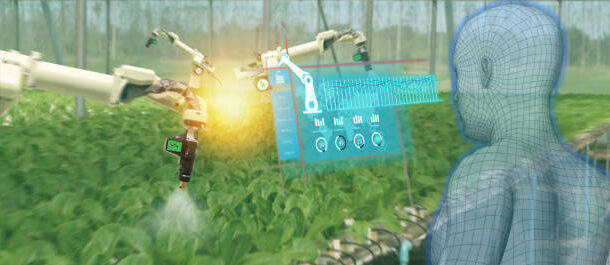
Automated weed identification systems are being created using cutting-edge image technology including computer vision and machine learning algorithms. These systems examine crop photos and recognise weeds based on their visual traits, enabling focused and accurate weed management.

Robotic weed removal: To automatically find and get rid of weeds in agricultural fields, robotic technologies are being developed. These robots physically remove or destroy weeds using a variety of techniques, including mechanical arms or instruments. Some robots use artificial intelligence to distinguish between crops and weeds, allowing for the selective and accurate removal of the latter.

Robotic sprayers that are equipped with precision spraying technology are utilised to apply herbicides precisely where they are needed. These devices use imaging and sensor technology to instantly find and locate weeds. Herbicides are then only applied by sprayers to the specific weeds that need them, minimising chemical use and harm to the environment.

What are the advancements in precision nutrient application in agriculture?

application

 With the use of variable rate technology (VRT), farmers can apply fertilisers at various rates throughout their fields according to site-specific requirements. To gather information on soil fertility, crop development, and other pertinent parameters, soil sensors, remote sensing, and GPS technologies are employed. The creation of prescription maps that direct the application of fertilisers is then done using the data. By carefully tailoring the distribution of nutrients to the needs of the crop and the various soil conditions, VRT maximises nutrient uptake while minimising nutrient loss.

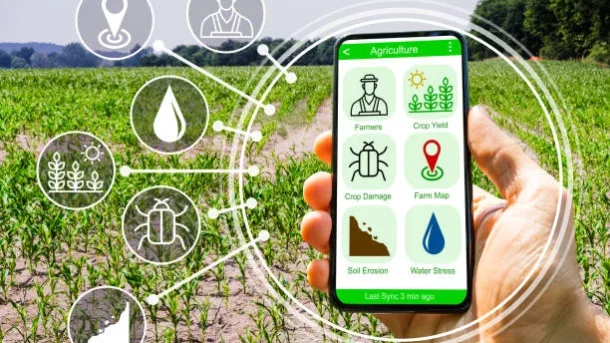
Sensor-Based Nutrient Management: Several sensors are used to monitor soil nutrient levels and crop health in real-time, including soil moisture sensors, electrical conductivity sensors, and optical sensors. Farmers can use these sensors to gather precise and timely data that will help them decide how to apply nutrients. 

Fertilisers with Controlled-Release: Controlled-release fertilisers are made to release nutrients gradually over an extended period of time. These fertilisers give the crops a more consistent supply of nutrients, which lowers the chance of nutrient leaching, volatilization, or runoff. These fertilisers increase the effectiveness of nutrient utilisation while minimising environmental effects by releasing nutrients in a regulated manner.

Software Tools for Nutrient Management: Tools for nutrient management are available to help farmers make knowledgeable decisions about the application of nutrients. To produce optimised fertiliser recommendations, these software systems take into account elements including soil type, crop type, yield targets, nutrient requirements, and environmental considerations. These tools, which generate customised nutrient management plans taking into account crop nutrient needs, present nutrient levels, and regulatory guidelines, can be used by farmers to input their field data.

 What are the advancements in biological pest control methods?

biological

Biopesticides: These biological chemicals come from living things like fungi, bacteria, plants, and other microbes. There have been significant improvements in the creation and use of biopesticides. These products are less damaging to the environment and beneficial organisms while yet being able to target certain pests. Examples include mycoinsecticides based on entomopathogenic fungi and Bacillus thuringiensis products that target insect pests.

IPM (Integrated Pest Management) strategies have advanced with the addition of biological control techniques. IPM integrates a number of pest management techniques, such as biological control, cultural practises, monitoring, and the prudent application of chemical pesticides. Combining other IPM techniques with the use of beneficial insects—such as predatory mites, parasitoids, and nematodes—has proven to be an efficient way to manage pests while using the fewest chemicals possible.

Biological control is the use of living organisms to suppress pest populations, making them less damaging than they would otherwise be. Natural enemies of insects play an important role in limiting the densities of potential pests. These natural enemies include predators, parasitoids, and pathogens.

 What is the role of data analytics in optimizing agricultural production?

data analytics

Data-driven decision-making: Data analytics enables farmers to make well-informed decisions based on precise and current data. Farmers can learn a lot about crop performance, resource use, and market demand by analysing a variety of data sources, including weather patterns, soil conditions, crop health, and market trends. With the use of these insights, they are able to decide on the type of crop to grow, the timing of planting and harvesting, and how to manage irrigation and fertiliser applications.

Precision agriculture and resource optimisation rely on applying the appropriate inputs at the right time and in the right amount to maximise resource utilisation and reduce waste. Precision agriculture is made possible by data analytics. Farmers can accurately control the application of fertiliser, pesticides, and irrigation by analysing data from sensors, satellite imagery, and historical records.Data analytics can be used to create predictive models that project agricultural yields based on historical data, current circumstances, and numerous affecting factors.

Predictive analytics algorithms can estimate projected yields with a certain level of accuracy by examining weather patterns, soil properties, crop genetics, and management techniques. Farmers can use this information to organise their activities, determine the supply of the market, manage storage and logistics, and make wise economic decisions.

What are the benefits of using biotechnology in agriculture?

biotechnology

Crops with better qualities, such as higher yield potential, can be developed using biotechnology, increasing crop productivity. Scientists may insert genes that improve features like drought tolerance, pest and disease resistance, and higher nutrient uptake into crops through genetic engineering. Higher crop yields and greater agricultural productivity may arise from these genetic alterations.

Enhanced Pest and Disease Resistance: Genetically engineered crops that are resistant to pests and diseases can be created through biotechnology. Crops can fend against hazardous insects, diseases, and viruses by adding genes from naturally resistant species. This lessens the need for chemical pesticides, lowers agricultural losses, and lessens the negative effects of pesticide use on the environment.

The development of crops with improved nutritional profiles is made possible by biotechnology. Crops can be genetically modified to contain increased concentrations of vital vitamins, minerals, and micronutrients. This can improve the nutritional value of staple crops and alleviate nutritional inadequacies, perhaps providing remedies for malnutrition and associated health problems.

Environmental Sustainability: Biotechnology helps agriculture be more environmentally sustainable. Farmers can use more targeted and accurate weed management techniques and use fewer herbicides overall by creating genetically engineered crops that are resistant to particular herbicides. This reduces environmental pollution. The production of crops with improved nitrogen use efficiency is also made possible through biotechnology, which lowers the need for fertiliser and mitigates the harmful effects of excessive fertiliser use on the environment.

How do you prefer organic or conventional methods?

Managing pests and diseases on a farm involves a combination of preventive measures and control strategies. Here are some common approaches:

Prevention: Implementing preventive measures is crucial to reduce the risk of pests and diseases. This includes practices like crop rotation, using disease-resistant varieties, maintaining proper sanitation, and practicing good farm management techniques.

Cultural control: Cultural practices can help minimize pest and disease problems. Examples include proper irrigation and drainage, timely pruning, maintaining proper plant spacing, and promoting overall plant health through balanced nutrition.

Biological control: This method involves introducing natural enemies of pests to control their populations. Beneficial insects, parasites, predators, and microbial agents can be used to target specific pests. This approach is commonly employed in integrated pest management (IPM) programs.

Chemical control: Conventional farming often utilizes chemical pesticides and herbicides to control pests and diseases. These synthetic chemicals can be effective but need to be used with caution to minimize environmental impact and potential risks to human health. It’s important to follow label instructions and adhere to local regulations when using chemical control methods.