Pests

How does climate variability and extreme weather events impact farming?

climate variability

Crop Yields: Crop yields can vary as a result of climate variability, which includes changes in temperature and precipitation. The timing of planting, flowering, and harvesting can be messed up by inconsistent or unusual weather patterns, which can hinder crop development and lower yields. Extreme weather conditions including droughts, floods, heat waves, and storms can seriously harm crops and reduce yields.

Water Availability: The availability of water for agriculture is impacted by climate change. Water scarcity and drought situations can result from altered precipitation patterns and higher evaporation rates brought on by rising temperatures. Irrigation systems, crop water needs, and general water management practices are all impacted by decreased water availability. By using effective irrigation methods, water-saving strategies, and water-storage systems, farmers may need to adjust.

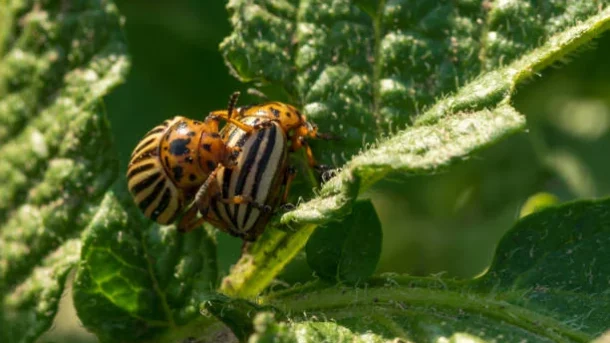
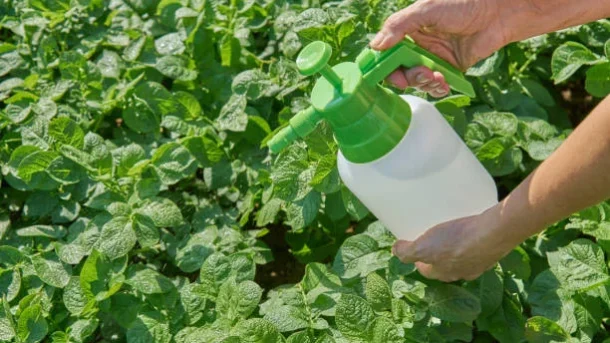
Outbreaks of pests and illnesses: In agricultural systems, climate variability affects the frequency and severity of pests and diseases. The life cycles, geographic distribution, and quantity of pests and disease vectors can all be impacted by changes in temperature and humidity patterns. Variations in the dynamics of pests and diseases can raise the danger of outbreaks, leading to crop losses and damage. According to shifting climatic conditions, farmers must keep an eye on and manage pests and illnesses.

Extreme weather conditions, such as prolonged periods of heavy rain and storms, can result in soil erosion, which depletes nutrients and reduces soil fertility. Flooding can also cause waterlogging and soil saturation, which can harm roots and reduce their ability to absorb nutrients. Crop productivity is adversely affected by soil erosion and deterioration, necessitating soil conservation.
Are there any alternatives to chemical fertilizers that can be used in agriculture?

Organic Fertilizers: Organic fertilizers are made from organic waste, compost, animal dung, and other naturally occurring elements. They enhance soil structure and organic matter levels while gradually releasing nutrients. Numerous nutrients, including as nitrogen, phosphorous, potassium, and micronutrients, are offered by organic fertilizers. They also support advantageous soil microbial populations and improve the long-term fertility of the soil.

Crops known as “cover crops” are raised largely for the purpose of enhancing and defending the soil. They are planted as a crop rotation or in between main crop seasons. Increased organic matter content, improved soil structure, and decreased soil erosion are all benefits of cover crops. Nitrogen is especially released when cover crops are absorbed into the soil, making it available for succeeding crops.

Crop rotation is the process of gradually changing the crops that are cultivated in a given region. It improves soil fertility, lessens nutritional imbalances, and aids in breaking pest and disease cycles. Because different crops have different fertilizer needs, nutrient demands can be better controlled by rotating crops. For instance, legume plants may fix nitrogen from the air, lowering the demand for nitrogen fertilizers in ensuing crops.

Green manure: Growing particular plants, primarily legumes, and then integrating them into the soil while they are still green and actively growing is referred to as this method. Green manure crops enrich the soil with organic matter, enhance soil structure, and release nutrients as they break down. For following crops, they can act as a supply of nitrogen and other nutrients.

What role do bats play in agriculture, especially in terms of pest control and pollination?

pest

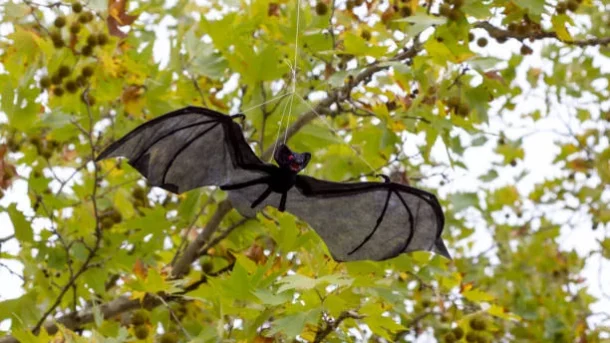
Bats are voracious insect eaters, and the majority of the insects they consume are nocturnal. Many of these pest insects harm crops and lower yields in agriculture. Bats assist in naturally reducing pest populations by eating a lot of insects. As a result, fewer chemical pesticides are required, which is better for the environment and everyone’s health. The ability of bats to control pests is especially useful in tropical areas with high bug populations.
Some bat species play a vital role in pollination, particularly in tropical and subtropical areas. They had a common ancestor with several plant species that depend on bat pollination. Frequently, the huge, fragrant flowers on these plants bloom at night, when bat activity is greatest. Bats unintentionally spread pollen from flower to bloom as they consume nectar, assisting in the fertilization process. Bats and the plants they visit benefit from this reciprocal interaction. Many economically significant plants, including agave, bananas, mangoes, and guavas, rely on bat pollination to reproduce.

It’s important to note that due to the diversity of their diets and foraging habits, not all bat species participate in pollination or pest control. However, bats generally contribute significantly to agriculture by providing natural pest control.

What are some beneficial nematodes and how do they help in managing plant diseases?

nematodes

This nematode species, Steinernema foliate (Feltiella), is frequently employed to manage beach flies and fungus gnats, which are pests that can harm plant roots and leaves. The S. feltiae infective juveniles enter the insect pests through cuticle penetration or natural holes. Once inside, the nematodes release bacteria that kill the insects, and the bacteria and insect tissue are subsequently consumed by the worms. This aids in lowering insect numbers and preventing potential plant harm from them.

Heterorhabditis bacteriophora (Hetero): Beetle, weevil, and caterpillar larvae are just a few of the soil-dwelling insects that H. bacteriophora is employed to biologically control. By entering the insect’s bodily cavities, the nematodes infect it with bacteria that eventually kills the host.
Steinernema carpocapsae’s (Carpo): Nematodes from this genus are employed to treat a variety of insect pests, including as fleas, armyworms, cutworms, and sod webworms. S. carpocapsae’s infectious juveniles look for their insect hosts in the soil or on plant surfaces. They penetrate the insect or enter it naturally, releasing bacteria that kill the host. Nematodes effectively lower pest populations by feeding on bacteria and insect tissue.

White grubs are harmful pests that feed on the roots of many different plants, including turfgrass and ornamentals. Glasgow nematodes, also known as Steinernema glaseri, are used to control these grubs. Infectious S. glaseri youngsters scour the dirt for white grubs before biting into them through their body holes. They discharge microorganisms that result in death.

How do bees and other pollinators play a vital role in agricultural productivity and crop yield?

pollinators

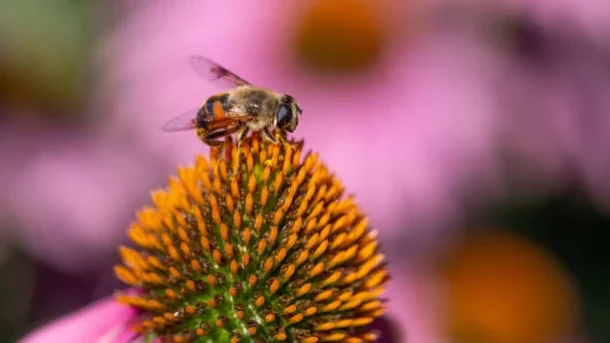
Pollen is transferred from the male reproductive organs (anthers) of flowers to the female reproductive organs (stigma) by pollinators such bees, butterflies, moths, flies, and beetles. The development of seeds and fruits depends on the pollen being transferred, which is necessary for fertilization. This pollination process is crucial for the abundant harvest of many crops.

Increased fruit set: Pollinators aid plants in producing more fruit. Flowers are more likely to successfully fertilize and produce fruit when they get pollen from sources that are compatible with each other. More flowers are effectively pollinated thanks to pollinators, increasing crop yields and yields of products.

Crop features and quality: Consistent fruit and seed development is a result of efficient pollination, which raises crop quality. Consistent size, shape, color, and flavor of fruits and vegetables are made possible by proper pollination. Their market worth, aesthetic appeal, and customer preference are all increased as a result.

Genetic variety: Pollinators help maintain agricultural genetic variation. Pollinators help to encourage cross-pollination, which enables the transfer of genetic material between various plants. Crops are better able to adapt to environmental changes, pests, and illnesses thanks to their genetic diversity.

How do beneficial insects, such as ladybugs and lacewings, help in controlling pests in agricultural crops?

ladybugs

Predation: Aphids, mealybugs, mites, and tiny caterpillars are just a few of the pests that ladybugs and lacewings eat voraciously. They actively seek out these pests and eat them, which aids in lowering their numbers. A single ladybug can eat dozens of aphids every day due to their specific fondness for them.

Effective feeding techniques: Lacewings and ladybugs have mouthparts that are designed specifically to penetrate and suck the bodily fluids of their victim. They are able to quickly shift from one nuisance to another, feasting on several people at once.

Life cycle and reproduction: Beneficial insects can reproduce quickly and have brief life periods. For instance, ladybugs and lacewings produce a large number of eggs that develop into predatory larvae that feed on pests. Ladybug and lacewing larvae are frequently even more ferocious predators than the adults. Due of their fast life cycles, beneficial insects are able to effectively respond to increases in pest populations.

Ladybugs and lacewings are generalist predators, which means they may eat a variety of pests. They may eat a variety of soft-bodied insects and their eggs and are not limited to any one kind of pest. They can thus control a variety of pest species and adjust to shifting pest dynamics in agricultural ecosystems because to their versatility.

What are beneficial organisms in agriculture and why are they important?

Bees, butterflies, birds, and other pollinators are essential for flowering plants to reproduce. They make it easier for pollen to go from male to female floral components, which results in fertilization and the growth of fruits and seeds. For the reproduction of many crop plants, such as fruits, vegetables, and nuts, pollinators are crucial. Crop yields would be much lower without sufficient pollination.

Predatory insects: Pest insects that harm crops are eaten by predatory insects like ladybugs, lacewings, and predatory wasps. They serve as natural predators, reducing populations of pests including aphids, mites, and caterpillars. Predatory insects help integrated pest management (IPM) systems by preying on pests, minimizing the need for chemical pesticides and fostering sustainable pest control.

The small parasitoid wasps that lay their eggs inside or on the bodies of problem insects are known as parasitoid wasps. The host insect is consumed as the wasp larvae develop, ultimately killing it. Aphids, caterpillars, and flies are just a few of the pests that these natural enemies prey upon. Parasitoid wasp populations can be managed and effectively controlled biologically by their existence.

Beneficial soil microorganisms, including bacteria, fungus, and protozoa, are essential for the breakdown of organic matter, the cycling of nutrients, and the general health of the soil. They aid in the decomposition of organic matter, providing nutrients necessary for plant growth. Some soil bacteria also establish advantageous connections with plant roots that help the plants absorb nutrients and become more resistant to diseases and environmental challenges.

What are the best practices for seed storage and preservation to maintain their viability?

Before storing, seeds should be completely dried in order to avoid the growth of mold and preserve the quality of the seeds. The moisture level of most seeds should be dried to between 5 and 10%. Spread the seeds out in a single layer and place them in a well-ventilated spot out of the direct sun to dry naturally. To ensure equal drying, give the seeds a regular stir or spin.

Before storing the seeds, clean and remove any plant matter, chaff, or other pollutants. Cleaning the seeds aids in preventing fungus growth and bug presence, both of which can harm the seeds during storage.

Use airtight containers: To keep dried seeds safe from moisture, air, and pests, store them in airtight containers. Glass jars, metal cans, or seed packs that can withstand moisture are all acceptable containers. Make sure the containers are tidy, dry, and devoid of any lingering chemicals or scents that can impair the quality of the seeds.

Keep seeds in a cool, dry environment: To keep seeds viable, they should be kept in a cool, dry, and dark environment. Since lower temperatures slow down the pace of seed breakdown, the best storage temperature is normally between 32°F (0°C) and 41°F (5°C). The seeds should not be exposed to extreme heat because this would shorten their lifespan.

How do hybrid seeds differ from open-pollinated seeds, and what are the advantages and disadvantages of each?

open-pollinated

Hybrid seeds are created by open-pollinated two separate parent plants that have desirable characteristics. The resulting hybrid seeds have unique traits that come from both parents. To obtain desirable features like increased yield, disease resistance, or uniformity, the hybridization process is meticulously managed.

Benefits of hybrid seeds include:

Increased productivity: Compared to open-pollinated seeds, hybrid seeds frequently display hybrid vigor or heterosis, which leads to larger yields.
Improved characteristics: Hybrids are produced to have particular characteristics like disease resistance, consistency in size, shape, or color, and higher environmental tolerance.
Hybrid plants typically exhibit more consistent development, maturity, and other traits, which can be helpful for farming and harvesting with machinery.
Hybrids typically perform better than open-pollinated seeds in terms of consistency.
Hybrid seed disadvantages include:

Dependence on seed suppliers: Because hybrid seeds do not produce true-to-type progeny, they cannot be kept and sown for consecutive seasons. Each planting season, farmers must buy hybrid seeds, which can raise output expenses.
Limited genetic diversity: The particular parent lines employed in the creation of hybrid seeds frequently determine the genetic make-up of those seeds. They may be more susceptible to specific pests, illnesses, or environmental changes as a result of their decreased genetic variety.
Less adaptability: Hybrid seeds are frequently developed for certain growing conditions or habitats. If the circumstances are drastically different from the target setting, they could not perform as well.
Breeding complexity: Creating hybrid seeds involves specialized breeding methods and knowledge, which may restrict their availability and raise their price in comparison to other types of seeds.

What is the significance of seed treatment methods in enhancing crop productivity?

seed treatment methods

Pest and disease management: seed treatment methods can aid in the defense of seeds and young seedlings against a variety of pests and diseases. Crops can suffer severe harm from seed-borne diseases and insect pests, which can result in decreased germination, subpar stand establishment, and lower yields. Applying fungicides, insecticides, or biological agents to the seeds as seed treatment methods can help suppress or manage these infections and pests. Seed treatments help crops grow healthier and more vigorously by defending the seeds during the crucial early stages.

Improvements in germination rates and early seedling vigor can be attained through seed treatments. Certain seed treatments can help seeds germinate more quickly and uniformly by breaking dormancy, enhancing imbibition, and providing vital nutrients or growth stimulants.

Accessibility and Uptake of Nutrients: Some seed treatments contain nutrients or biostimulants that enhance the accessibility and uptake of nutrients by the sprouting seedlings. Improved crop productivity can result from these treatments, which can promote early root formation, nutrient absorption, and overall plant growth.

Environmental Stress Resistance: Seed treatments can provide resistance to environmental conditions including drought, heat, or cold. They might contain elements that encourage increased resistance to these stresses, improving the plant’s capacity to tolerate challenging circumstances and minimizing yield losses.