Pests

What are the key factors to consider when selecting seeds for different crops?

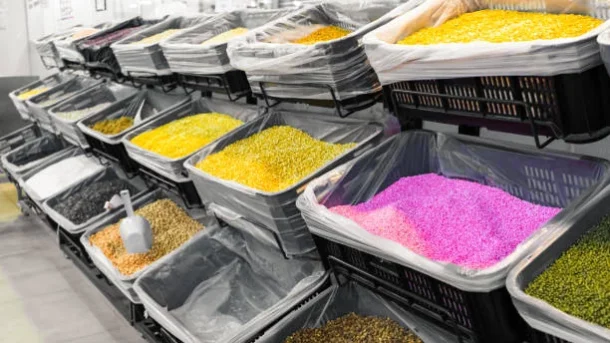
selecting seeds

Climate and Growing Conditions: Each crop has unique environmental and climate needs. Take into account the growing season length, humidity, rainfall, and temperature in your area. To increase the likelihood that your seeds will germinate and grow well, selecting seeds that are well adapted to your region’s climate.

In order to grow a given crop, selecting seeds that are resistant to typical diseases and pests that harm that crop. The need of chemical interventions can be minimized with the use of disease-resistant seedlings.

Yield and Productivity: Take into account the crop variety you are choosing’s potential yield and productivity. Look for seeds that have a history of consistently producing good yields. Frequently, seed catalogs or regional agricultural extension offices will have this information.

Maturity Period: The time from planting to harvest is referred to as a crop’s maturity period. Choose seeds with a maturation duration that corresponds with the length of your growing season. By doing this, you can be confident that the crop will have enough time to mature and yield a harvest before bad weather conditions appear.

Quality and Viability: Pick seeds with a high level of both quality and viability. Examine elements including seed uniformity, color, and size. To retain the seeds’ viability, make sure they are properly stored and are not old.

Desired Traits: Take into account any particular traits or qualities you are trying to find in your crop. This may involve elements like flavor, color, texture, or particular nutritional characteristics. The flavor, look, and nutritional content of different seed kinds might vary.
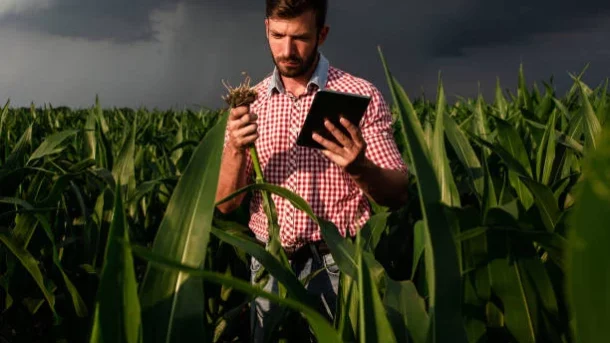
How does the lack of capacity-building and training opportunities hinder farmers’ skills development?

capacity-building and training opportunities

The growth of farmers’ skills and their potential to enhance agricultural practices can be severely hampered by a lack of capacity-building and training opportunities. The following are some difficulties that the lack of such possibilities may cause:

Limited Technical Skills and Knowledge: capacity-building and training opportunities give farmers the technical know-how they need to embrace modern farming methods, increase production, and improve sustainability. Without access to training, farmers can rely on old-fashioned practises that reduce yields, waste resources, and make them more susceptible to pests, illnesses, and climate-related problems.

Inadequate Adoption of Best Practices: Training programmes give farmers information on the best practices for managing crops, maintaining healthy soil, controlling pests and diseases, conserving water, and handling produce after harvest. Without sufficient instruction,

Limited Knowledge of Market Dynamics: Training programmes give farmers information on market trends, consumer preferences, dynamics of the value chain, and quality requirements. With the use of this information, farmers may make well-informed choices, adjust their production to market needs, and take advantage of better market prospects. Farmers may lack market information in the absence of training, which makes it difficult for them to advertise their goods and set competitive prices.

How does the lack of access to information and digital technologies hinder farmers’ adoption of best practices?

The adoption of best practises by farmers can be hampered in a number of ways by a lack of information and digital tools :-

Limited Information: For farmers to stay current on the most recent agricultural practices, techniques, and technology, they must have access to timely and pertinent information. Farmers might not be aware of best practices, such as improved crop types, effective irrigation systems, ways for managing pests and diseases, and methods for managing soil health, if they lack access to information.

Ineffective Decision-Making: Farmers can make well-informed decisions regarding their farming operations thanks to access to information and digital technologies. It aids them in evaluating, among other things, market trends, climatic conditions, input availability, and pricing data. Farmers’ capacity to make decisions is hampered by a lack of such information.

Limited Access to Expertise: Farmers have access to information and digital technologies for technical assistance, guidance from experts, and extension services. They enable farmers to get advice on managing crops, preventing diseases, enhancing soil fertility, and other farming-related issues. Without such access, farmers could struggle to address problems and implement best practises because they lack professional advice.

What are the challenges faced by farmers in adopting and implementing sustainable pest and disease management practices?

pest and disease management

Farmers must overcome a number of obstacles in order to adopt and use sustainable pest and disease management techniques:

Lack of Information and Unawareness: Many farmers might not have access to or be aware of information regarding sustainable methods for managing pests and diseases. They could not be familiar with sustainable agricultural methods or integrated pest management (IPM) techniques, or they might not be aware of alternatives to chemical pesticides.

Limited Access to Resources: It is frequently necessary to get extra resources, such as training, technical assistance, and access to alternative pest control techniques, in order to implement sustainable pest and disease management practices. Farmers, especially small-scale farmers with limited resources, may find it difficult to obtain or buy these services.

Peer influence and cultural aspects: Farmers may be affected by the social mores and customs that are common in their neighborhoods. Farmers may be reluctant to depart from conventional practises or may encounter pushback from peers if sustainable pest and disease control practices are not generally accepted or respected within the agricultural community.

A multifaceted strategy that includes information distribution, capacity building, access to resources and assistance, financial incentives, and legislative support is needed to address these difficulties. Governments, agricultural extension agencies, NGOs, and research facilities all play a significant part in encouraging the use of sustainable pest and disease control techniques and offering training programmes and technical support. Financial institutions may provide farmers making the switch to sustainable farming methods with easily available finance and financial assistance.

What are the issues related to genetic erosion and the loss of traditional crop varieties in agriculture?

traditional crop

Reduced Genetic Diversity: Traditional crop varieties frequently have a diverse genetic makeup that has developed over many generations, making them resilient to pests, diseases, and climatic pressures as well as adaptable to different environmental situations. The loss of these kinds causes agricultural systems’ genetic diversity to decline. Crops are less able to adapt to shifting climatic circumstances as a result, making them more susceptible to pests, diseases, and climate change.

Increased Dependence on a Fewer types: Modern agriculture’s focus on uniform, high-yielding crop types has resulted in the widespread acceptance of a small number of commercial varieties. If a certain variety is vulnerable to a new pest or disease, this monoculture strategy raises the chance of crop failure.

Local food systems disruption: Traditional crop types are frequently well-adapted to regional environmental factors as well as regional preferences for flavour, nutritional value, and culinary applications. A trend towards uniform, standardised kinds that might not satisfy the particular requirements and tastes of local people might result from the loss of various variations, which can undermine regional food systems. This may lead to a loss of ethnic eating traditions and nutritional variety.

Loss of Nutritional and Therapeutic Values: Traditional crop types frequently have special nutritional and therapeutic values. The absence of certain types may result in a decrease in the amount of certain nutrients, therapeutic substances, and other health advantages connected to traditional crops. Particularly in areas that depend on traditional crops, this may have an effect on people’s health and nutrition.

How does the lack of infrastructure for post-harvest handling and storage contribute to food losses?

post-harvest

Poor handling techniques: Farmers and traders frequently adopt subpar handling techniques in the absence of suitable infrastructure, such as warehouses, sorting facilities, and transportation networks. Inadequate protection against physical damage and contamination, inappropriate loading and unloading, and rough handling are a few examples of this. These procedures can cause post-harvest losses since the produce will bruise, rot, and degrade.

Lack of storage space: Food losses may result from a lack of storage space in silos, cold storage facilities, and warehouses. Agriculture items that degrade quickly are more prone to pests, illnesses, and improper storage. Lack of temperature and humidity management can hasten the deterioration of stored product in areas with high temperatures and humidity.

Value addition and processing are limited; hence, post-harvest infrastructure is essential for these operations. The processing and preservation of agricultural goods are hampered by a lack of facilities, including processing plants, drying facilities, and packing facilities. This may restrict the potential to turn raw produce into value-added goods like processed foods, which have a greater market value and a longer shelf life. Without these resources, farmers could be forced to sell their harvest right away, which could result in losses if there is little market demand or if pricing are poor.

Systems of transportation that are insufficient: Timely and safe delivery of agricultural products from farms to markets or processing facilities depends on effective transportation.

How does the limited availability of agricultural extension services and training hinder farmers’ knowledge dissemination?

services and training

Limited access to knowledge: Agricultural extension services and training programs are essential in supplying farmers with the most recent knowledge, best practices, and cutting-edge agricultural methods. Farmers might not have access to crucial information that can enhance their farming methods, correct problems, and take advantage of new opportunities if these services are restricted or unavailable. They may be unable to implement more effective and sustainable farming practices due to their lack of information.

Agricultural extension services and training programs are essential in introducing farmers to new technologies, techniques, and practices that can boost production, improve resource management, and limit risks. As a result, there has been a decreased uptake of new technologies and practices. Farmers may use obsolete techniques or conventional procedures that are harmful if they lack access to such services.

Ineffective pest and disease control: To safeguard their crops and increase yields, farmers must have timely and accurate information on pest and disease management. Farmers can learn a lot about identifying pests and diseases, taking preventative steps, and using integrated pest control techniques from agricultural extension agencies. Without these services, farmers could find it difficult to recognize newly developing pests and illnesses, which would result in poor or incorrect management techniques. Crop losses, decreased production, and an increasing dependency on chemical inputs are possible outcomes of this.

Problem-solving skills are limited; however, agricultural extension services and training programs assist farmers in improving their critical thinking and problem-solving capabilities. These services enable farmers to assess problems, find solutions, and modify their methods by offering direction and technical competence.

How does the lack of access to affordable and inclusive financial services impact farmers’ economic resilience?

financial

Limited capacity for investment: Farmers sometimes need money to invest in their agricultural activities, including buying seeds, fertilizer, equipment, and livestock, as well as investing in irrigation systems and other infrastructure. Farmers might find it difficult to raise the money needed for these investments, though, if they don’t have access to inexpensive credit and banking services. This may limit their capacity to increase output, grow their business, and apply contemporary farming techniques.

Agriculture is intrinsically vulnerable to a number of shocks and risks, including weather-related incidents, market volatility, and pests and diseases. Farmers may find it difficult to build resilience against these hazards if they do not have access to financial services.

Limited capacity for business expansion: Farmers’ ability to build and grow their agricultural companies depends on their access to banking services. Farmers can find it challenging to expand their operations, diversify into higher-value crops or livestock, or make investments in value-added processing and marketing activities without access to finance, savings, or insurance products. Their inability to take advantage of market chances and boost their economic potential may be hampered by their lack of financial resources.

Financial services give farmers the tools and resources they need to efficiently prepare for and manage their finances. Farmers may become more adept at financial planning, manage cash flows, and make wise investment choices by having access to savings accounts, credit options, and financial literacy programs.

How does the lack of capacity-building and training opportunities hinder farmers’ skills development?

training

Limited access to knowledge and information: Farmers who participate in capacity-building and training programs have access to important knowledge and data on a range of agricultural topics, including new farming methods, crop management techniques, pest and disease control, soil conservation, and market trends. Without these chances, farmers could not be aware of the most recent advancements and best practices in their industry, which would limit their capacity to expand their abilities and adopt more effective and sustainable agricultural practices.

Farming methods that are inefficient or outdated: In the lack of training, farmers may continue to use farming methods that are labor-intensive, inefficient, and less productive. They might not be aware of cutting-edge methods, technologies, and farming practices that can boost output, lower input costs, and improve sustainability. insufficient capacity building

Poor risk management abilities: Farming is inherently risky due to a variety of unknowns such as weather, market volatility, pests, and diseases. Through training programs, farmers can learn how to manage risks, including how to recognize them, how to mitigate them, how to use climate-smart techniques, how to diversify their crops, and how to access insurance and financial resources. Farmers’ ability to effectively manage risks and adjust to changing conditions is constrained by a lack of chances for capacity building.

Market-oriented training is frequently included in training programs, educating farmers on market trends, value chain analyses, market requirements, and post-harvest handling procedures. For farmers to make wise choices, spot lucrative market opportunities, and enhance product marketing, this knowledge is crucial.

What are the issues related to the degradation of biodiversity and loss of traditional crop varieties in agriculture?

loss

Genetic erosion: Traditional crop varieties frequently have a diverse genetic makeup, which is crucial for preserving the resilience, adaptation, and productivity of agricultural systems. There is a loss of distinctive genetic features and priceless genetic resources when traditional varieties are lost, whether as a result of being replaced with contemporary high-yielding varieties or traditional farming practices being abandoned. Agriculture becomes more susceptible to pests, illnesses, and shifting environmental circumstances as a result of this genetic erosion, which decreases the genetic variety pool available for crop improvement.

Reduced adaptability: In agriculture, biodiversity offers innate adaptability to environmental pressures including pests, diseases, drought, and climate change. Traditional crop varieties have changed over the years to accommodate certain regional requirements, such as varied climatic conditions, soil types, and pests.

Loss of cultural heritage: Local cultures and customs are frequently firmly ingrained in traditional crop varieties. They transport accumulated wisdom, legends, and customs from previous generations. Traditional crop varieties are disappearing, which reduces cultural variety and separates people from their agricultural roots. In addition to reducing traditional knowledge and practices related to crop management and consumption, this loss also has an impact on cultural identity.

Nutritional variety is lessened: Traditional crop types frequently have a wide range of nutritional qualities, such as varied flavors, colors, and nutritional profiles. The selection of diversified and nutrient-rich foods is reduced as a result of the loss of traditional types.