Pests

What are the problems caused by the lack of diversification and reliance on a few staple crops in agriculture?

crops

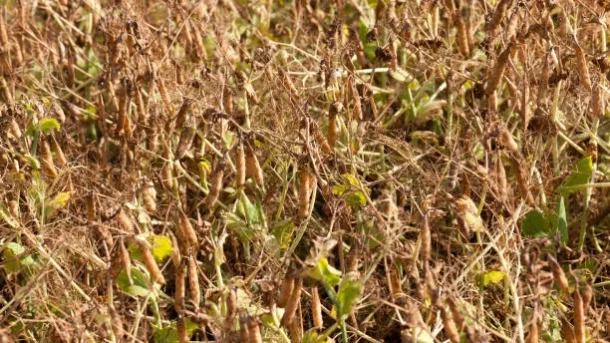
Vulnerability to pests and diseases: When a sizable amount of agricultural land is set aside for a small number of staple crops, it fosters an environment that is conducive to the proliferation and flourishing of pests and diseases. Systems with monocultures lack the natural biodiversity needed to control illnesses and pests. A single outbreak of a pest or disease can result in considerable crop losses across a large area, endangering both food security and way of life.

Degradation of the soil: Growing the same crop continuously without rotation or variety can deplete the nutrients in the soil, lower its fertility, and raise the possibility of erosion. The nutrient needs of and interactions with the soil ecology of various crops differ. Lack of diversification deprives the soil of the advantages brought forth by complementary nutrient cycling and crop rotation.

A greater reliance on outside resources: Monoculture systems frequently depend extensively on outside inputs like petrochemical fertilizers and insecticides. This reliance on agrochemicals may have detrimental effects on the environment, such as soil degradation, water body contamination, and harm to beneficial creatures. The high cost of inputs can also make farming for small-scale farmers less economically viable and increase their reliance on outside suppliers.

Farmers that concentrate on a small number of staple crops are more vulnerable to market fluctuations in the prices and availability of those products. The incomes and way of life of farmers can be significantly impacted by changes in market prices. Additionally, farmers can have trouble locating alternate markets or modifying their production if there is an excess of a crop or a fall in demand for it.
How does the absence of effective pest and disease management strategies impact agricultural productivity?

pest and disease

Crop losses: By destroying plants, lowering yields, and lowering the quality of agricultural products, pest and disease can result in significant crop losses. Without sound management techniques, diseases and pests can spread quickly and significantly lower crop output. As a result, farmers may suffer financial losses, food shortages, and disruptions in the flow of agricultural products.

Pests and illnesses can reduce crop quality, making agricultural produce unfit for consumption or depressing its market value. Crops that have been infested may have physical flaws, color changes, blemishes, or interior damage, which makes them less marketable and unattractive to consumers. Farmers may suffer financial losses as a result, and their access to markets with greater prices may be restricted.

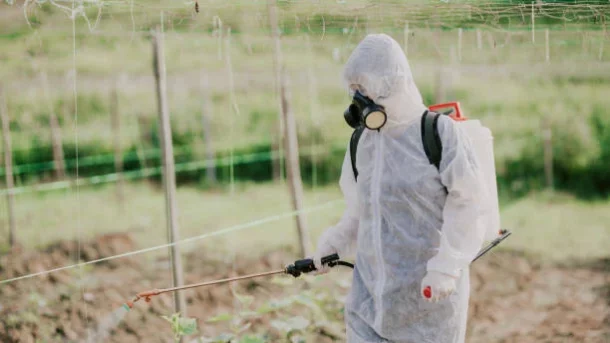
Increased dependency on pesticides: Farmers may turn to excessive and careless use of chemical pesticides in the absence of efficient pest and disease management techniques. Pesticide overuse can have detrimental effects on the environment, creatures that are not intended targets, the development of pesticide resistance in pests, and the health of humans. Additionally, it may raise farmers’ production costs and reduce their profitability.

Reduced resistance to climate change: The dynamics of pests and diseases can change as a result of climate change, encouraging the spread of some pests or introducing new pests and diseases into agricultural systems. Crops are more susceptible to the effects of climate change as a result of poor pest and disease management, which also hinders their capacity to adapt to and endure changing weather circumstances. The livelihoods of farmers as well as agricultural productivity may be further threatened.

How does the lack of access to quality seeds and breeds affect farmers’ productivity and resilience?

seeds and breeds

Reduced output potential: To increase crop and livestock productivity, high-quality seeds and breeds are crucial. They have attractive qualities such a high potential for yield, resilience to disease, tolerance for environmental stress, and enhanced nutritional value. Farmers can be forced to use conventional varieties or local breeds that may have lesser production potential and be more vulnerable to pests, illnesses, and unfavorable climatic conditions if they lack access to high-quality seeds and breeds. Lower crop or livestock yields and decreased agricultural production may follow from this.

Exposure to pests and diseases: High-quality seeds and breeds frequently have tolerance for or resistance to the typical pests and diseases that are widespread in a given area. Farmers who don’t have access to these seeds and breeds may be more susceptible to disease outbreaks and insect infestations. This

Limited ability to adjust to changing climatic conditions: Agriculture is being challenged by changes in temperature and precipitation patterns brought on by climate change. For farmers to retain production and resilience, it is essential to use high-quality seed and breeds that are specifically bred or selected for their capacity to adapt to changing climatic circumstances. Farmers may find it difficult to modify their agricultural operations to the changing climate without access to these seeds and breeds, rendering them more vulnerable to crop failures and decreased animal productivity.

Limited genetic diversity: High-quality seeds and breed help agricultural systems maintain their genetic diversity. Because it offers a larger pool of genetic features that can help crops and livestock adapt to shifting environmental conditions and new threats, genetic diversity is crucial for the resilience of agricultural systems.

What are the issues related to food waste and loss in the agricultural value chain?

waste and loss

Food waste and loss in the agricultural value chain result in a considerable loss of edible food that could otherwise be utilized to feed people, which has an impact on food security. In areas where access to food is already scarce, this loss exacerbates food insecurity and makes people hungry. Improving food security and lowering global hunger require addressing food loss and waste.

Economic losses: For farmers, food producers, and distributors, food waste and loss represent a considerable economic loss. The resources used to produce, process, package, and transport the food are also wasted when it is wasted or lost at various points along the agricultural value chain. Businesses suffer financial losses as a result, which also lowers the agriculture sector’s overall profitability and competitiveness.

Environmental impact: Food waste and loss have a big impact on the environment. Food waste results from the loss of resources used in the growing, processing, and distribution of food, such as land, water, energy, and inputs. The production of food that is wasted has an impact on the environment since it increases greenhouse gas emissions, water use, and energy consumption. Methane, a strong greenhouse gas, and landfill trash are two more effects of food waste.

Loss of agricultural productivity: Pests, illnesses, and poor storage conditions cause food loss not only during the post-harvest and distribution phases, but also in the pre-harvest phases. Such losses decrease the effectiveness of the entire agricultural value chain and represent a waste of agricultural productivity.

How does the lack of agricultural diversification contribute to vulnerability in the sector?

sector

Overdependence on a Single Crop or animal: Farmers become excessively dependent on the productivity and market dynamics of a single crop or animal species. Any unfavorable occurrences, like pests, illnesses, market swings, and unfavorable weather, can have a huge effect on the overall sector. Economic instability in the agriculture sector and significant income losses for farmers might result from a single crop failure or a drop in demand.

Market Volatility and pricing variations: Farmers may be more vulnerable to market volatility and pricing variations if they lack diversity. Farmers are more susceptible to changes in supply and demand dynamics, global market trends, and price volatility when they produce and rely on a small number of commodities.

Climate change adaptation: The effects of climate change on agriculture include changes in temperature and precipitation patterns, a rise in the frequency of extreme weather events, and altered dynamics of pests and diseases. Growing crops that are more tolerant to particular conditions thanks to crop diversification enables farmers to respond to these difficulties. Farmers can distribute risk and lessen sensitivity to climate-related effects by diversifying their agricultural methods.

How does the lack of agricultural extension services and technical support affect farmers’ knowledge and skills?

knowledge

Limited Information Access: Agricultural extension services are essential in providing farmers with timely and pertinent information. They offer useful information on contemporary technologies, market trends, and the control of pests and diseases as well as better farming techniques. Without access to extension services, farmers might not be aware of the most recent developments in agriculture and might not have the knowledge they need to improve their farming practices.

Reduced Uptake of Best Practices: Agricultural extension services aid farmers in implementing best practices and cutting-edge farming methods. Sustainable soil management, water conservation, integrated pest management, and climate-smart agriculture are a few examples of these techniques. Farmers may rely on conventional, ineffective techniques in the lack of expert assistance, making it difficult for them to increase productivity and sustainability.

Limited Skill Development: Technical assistance and extension services give farmers the chance to receive training and develop their capacities. They provide hands-on training, workshops, and practical demonstrations on a variety of agricultural topics, including crop production, livestock management, and post-harvest handling. Farmers’ capacity to learn new skills, broaden their knowledge, and adjust to changing agricultural techniques is constrained by a shortage of these services.

Ineffective Problem-Solving and Troubleshooting: Technical assistance is essential for farmers to overcome obstacles and resolve issues they run into on their farms. On-site help, problem-solving, and issue identification are all capabilities of extension workers. Without such assistance, farmers could find it difficult to identify and treat crop diseases, pest infestations, nutrient deficits, and other agronomic problems.

How does the volatility of weather patterns and extreme weather events pose challenges to farmers?

extreme

Crop Yield and Quality: Unpredictable weather patterns, such as erratic precipitation, droughts, floods, heat waves, and severe storms, can directly affect crop yield and quality. Rainfall that is too little or too much can cause water stress or waterlogging, which can have an impact on plant development and productivity. Extreme temperatures have the potential to harm crop development and lower yields. Additionally, such variations may affect the nutritive value and market price of crops.

Crop Selection and Timing: Farmers find it difficult to choose appropriate crop kinds and arrange their planting schedules due to unpredictable weather patterns. For maximum productivity and climatic compatibility, crop scheduling and selection are essential. Weather pattern changes can interfere with conventional farming methods, resulting in the selection of less-than-ideal crops and lower yields.

Outbreaks of pests and diseases: Extreme weather conditions and climate change can have an impact on the occurrence and range of invasive species, diseases, and pests. Warmer temperatures, more humidity, and irregular rainfall patterns might encourage the growth of pests and illnesses. This could affect output and profitability by causing pest outbreaks, crop damage, and a greater reliance on pesticides.

Water management: Modifying weather patterns have an impact on the management of and access to water for agriculture. Water shortages and droughts can diminish crop water availability and restrict irrigation alternatives. On the other hand, heavy rains can cause runoff, waterlogging, and soil erosion, which can be detrimental to the health of the soil and crop growth.

What are the problems associated with pests, diseases, and invasive species in agriculture?

pests

Crop Losses: By directly consuming plants, wreaking havoc on plant tissues, and weakening plants, pests, diseases, and invasive species can result in significant crop losses. They may lower crop production and quality, which would cost farmers money.

Reduced yield: Pest, disease, or invasive species infestations can have a significant negative influence on agricultural yield. They can impede photosynthesis, nutrient uptake, and plant growth, leading to stunted plants, subpar growth, and decreased output as a whole.

Pests, illnesses, and invasive species in agriculture can all have a substantial impact on the economy. To lessen the effects, farmers might need to spend a lot of money on pesticides, treatments, or control measures. Additionally, phytosanitary rules that restrict trade of infected commodities might reduce market access and result in losses of money.

Increased Input Costs: Farmers who invest in pest management techniques, disease management plans, and invasive species eradication initiatives may experience increased input costs. These extra expenses could put a burden on company finances and lower their profitability.

How does the lack of agricultural infrastructure, such as storage facilities, impact post-harvest losses?

storage

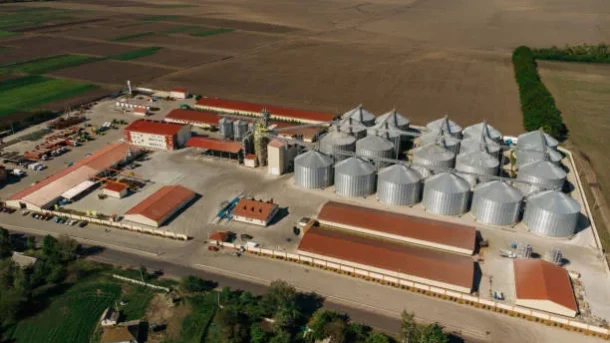
Lack of adequate storage facilities makes harvested crops susceptible to rotting, deterioration, and quality degradation. Significant post-harvest losses can result from deterioration that is sped up by factors like heat, moisture, pests, and pathogens.

Poor Handling and Transportation: Poor handling and transportation procedures can be the result of insufficient storage infrastructure. Crops that have been harvested may have been handled carelessly, stacked incorrectly, or transported in unfavorable circumstances, leading to bodily harm, bruising, and increased susceptibility to rotting and decay.

Limited Market Access: Farmers are unable to store and preserve their produce for longer periods of time due to a lack of storage facilities. Due of this, they are unable to access markets that are far away or have varying demand. Farmers might be obliged to sell their produce at a loss or pay more for transportation to far-off markets, both of which would result in financial loss.

Price fluctuations: Farmers may find it difficult to time their sales to take advantage of opportune market conditions in the absence of storage infrastructure. Farmers may experience financial losses if they are forced to sell their products at reduced prices due to an excess of a certain crop during the harvest season.

What are the efforts to promote sustainable pest and disease control in agriculture?

IPM, or integrated pest management, is a method that effectively manages pests and illnesses while using less pesticides than other pest control techniques. It holistically combines biological, cultural, physical, and chemical control techniques. IPM places a strong emphasis on prevention, monitoring, and threshold-based decision-making with the goal of bringing pest populations down to levels that are both environmentally responsible and economically viable.

Biological control: Biological control refers to the management of pest populations through the use of natural enemies including beneficial insects, predatory mites, and microbiological agents. This strategy promotes the preservation and improvement of pests’ natural adversaries and their habitats. The release of advantageous organisms, the modification of habitats, and the application of microbial biopesticides are examples of biological control techniques. A further benefit of fostering biodiversity in agricultural areas is

Cultural and agronomic methods: By making conditions undesirable for pests or boosting crop resistance, cultural and agronomic practices can help prevent pest and disease outbreaks. Crop rotation, intercropping, the use of resistant cultivars, maintaining optimum plant nutrition, maximizing irrigation and water management, and choosing the right planting densities are some of these methods. These procedures help to control pests and diseases by enhancing plant health and developing diversified agroecosystems.

Plant breeding is essential for creating crop varieties with innate resistance to diseases and pests. Resistant Varieties and Breeding Programs. Breeding initiatives concentrate on locating and incorporating resistance-related genetic characteristics into commercial cultivars. Farmers can lessen the requirement for chemical pesticides and the danger of crop losses from pests and illnesses by utilizing resistant types. Efforts