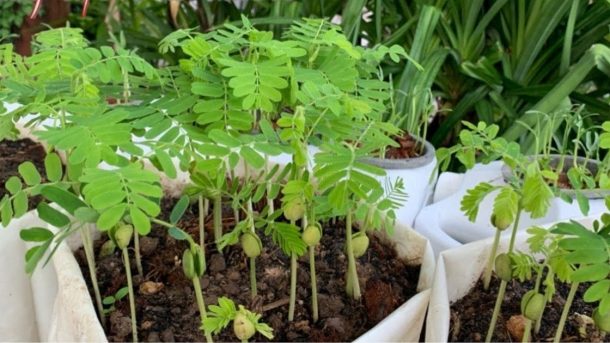
By seed is the least expensive means of propagation and can be used to crop a large number of new plants from a minimum of stock material. Moreover, seed propagation is essential to produce seedlings to be used as rootstocks onto which designated cultivars can be grafted. The major disadvantage of seed propagation is that seeds fail to produce plants true to type and also resulting seedlings take a longer time to produce productive plants than those produced through vegetative propagation. A better understanding of the processes involved in initial growth and seed germination is the most important prerequisite for the increased domestication and cultivation of Tamarind. Seed propagation of Tamarind is the simplest method of propagation which does produce feasible seeds but seeds do not produce true to the type plants. Seed propagation in Tamarind is done by collecting the pods from February to April. Seeds from ripe fruits are wash well with plain water. After this, it is tried for germination within 1 to 2 days. Generally, 1 kg of seeds contains 1800 to 2000 seeds. Seeds are then somewhat sun-dried to retain its viability.
Seed
What is the Seed Rate and Spacing required for Carnation Flower Growing?
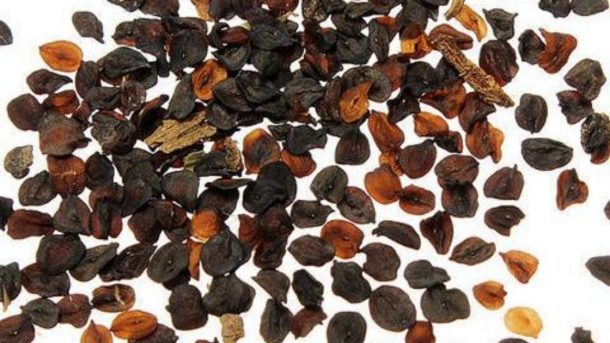
In any crop, seed rate depends on variety, planting method, soil geography, and soil type. On average, the Carnation crop requires 500 grams to cover 1-hectare land. Carnations are best suited for pot/container planting. Carnation seed will start germination within a week and seedling will become ready for transplanting within 4 weeks of sowing. Generally, spacing varies with the branching habit of the plant. The spacing’s of is 15 cm x 8 cm, 15 cm x 10 cm, 15 cm x 15 cm and 15 cm x 20 cm.
How seed treatment is done for sesame farming?
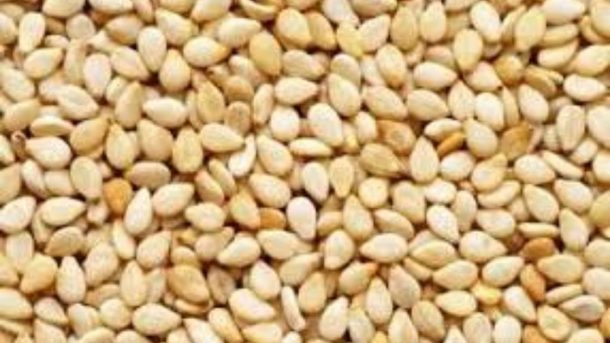
Treat the seeds with Thiram (3 grams/ kg of seeds) to prevent seed borne diseases. Just before seeding, seeds should be soaked in 0.03% Agrimycin- 100 solution for 25 to 30 minutes to minimize leaf spot disease.
What is the Seed rate required for sesame farming?
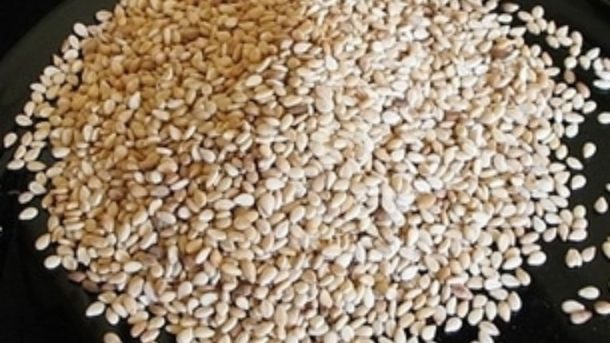
Seed rate depends on sowing method, variety of seed and season. In broadcasting method, under rain fed conditions seed rate would be 6 kg/hectare, under irrigated conditions 5 kg/hectare. In row seeding, under rain fed condition seed rate would be 5 kg/hectare, under irrigated condition 4 kg/hectare. If sesame is cultivated as intercrop, seed rate would be 1 kg/hectare.
What is the seed rate required for marigold cultivation?
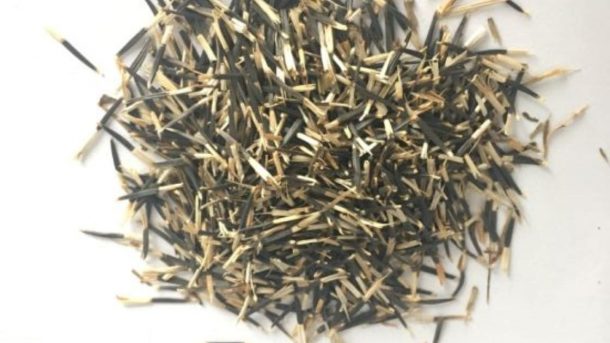
About 600-800 grams of seeds are required for one acre of land. When the crop is 30 to 45days old carry out pinching operation. It means the removal of the terminal portion of the Marigold plant. It helps to make plant bushy and compact, also several good quality Marigold flowers with the uniform size are obtained.
How Seed germination process occurs in Marigold cultivation?
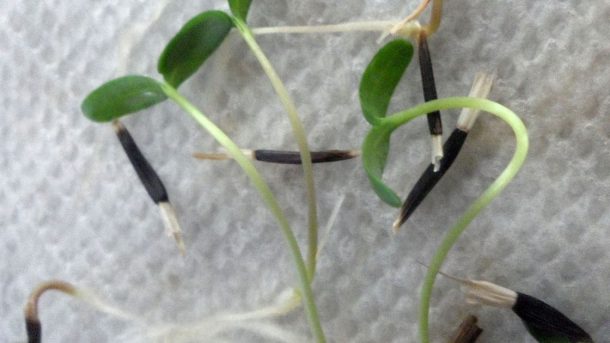
Marigold is propagated by seeds as it germinates simply and produces vigorous plants. The marigold seeds count about 300 – 350/gram. The seeds remain viable for about 1 to 2 years. The germination of fresh seeds is about 90 to 95%. The seeds germinate well at a temperature range from 18-30°C.
Begin Marigold seeds in a seed-starting flat that’s filled up until 3/4 inch from the top with sterile, moist, seed-starting mix. Sprinkle the seeds on top of the medium and sow them at a depth that equals 2 to 4 times the diameter of the seeds. Spray the soil surface with water carefully to moisten it, and then place the tray in a plastic bag or cover it with plastic wrap and this will promote soil-moisture retention.
How marigold seedlings are raised in nursery?
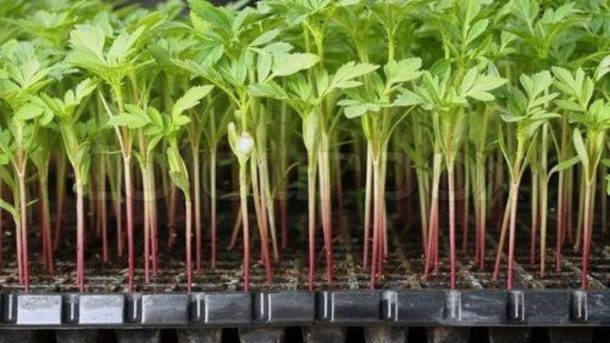
Nursery beds are prepared by digging up to a depth of 30cm and the beds are properly cleaned, leveled and the soil is enriched by applying well rotten FYM. To protect the Marigold seeds from the infestation of ants, BHC powder is dusted on the raised beds. Approximately, 3kg of seeds is sufficient to plant the one-hectare area. Marigold seeds are sown thinly and are covered with light soil. The beds are then watered with fine rose water can to avoid the displacement of seeds.
How seed production is done in marigold?
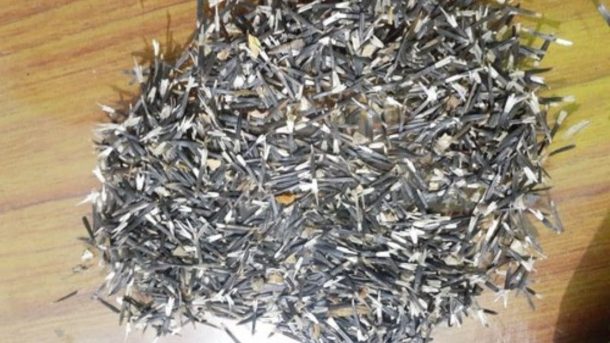
The seed is the best propagating material for annual flowers like marigold. However, due to the lack of scientific information on the seed production of marigold, the large-scale production of seed is limited. Though the seed yield and quality are mainly a genotypic character, it is greatly influenced by the seasons and climatic factors. These influence both vegetative and reproductive phases of the Marigold plant, ultimately leading to variation in performance.
How seed treatment is done for moringa farming?
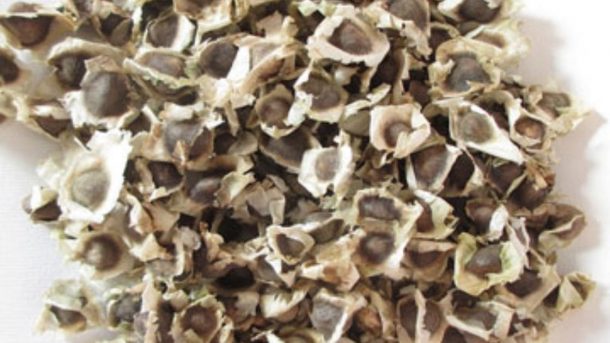
The seeds are to be treated with biopesticides to control seed borne diseases before sowing. The seeds should be soaked in water overnight and then sown the next day for early germination and it is also treated with Azospirillum for better growth.
How to propagate Noni plants from seeds?
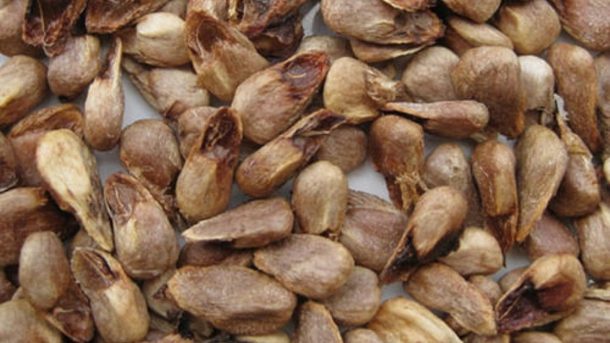
Noni plants are propagated from seeds, stem or root cuttings and air layering. The preferred methods of propagating are from seed and by cutting made from the stem. Noni plants produce flowers and fruit around the year. Fruits are collected from plants have large fruit, vigorous leaf growth for hedges etc.
Noni seeds are in reddish brown, oblong triangular and have a conspicuous air chamber. The Noni fruit seeds are buoyant and hydrophobic, water repellent fibrous seed coat. The seed coat of Noni fruit is very tough, relatively thick and covered with cellophane like parchment layers. A single large Noni fruit can have 100- 150 seeds. For seed propagation use Noni fruits should be chosen for seed collection. The seeds are collected from fibrous, clinging fruit flesh.