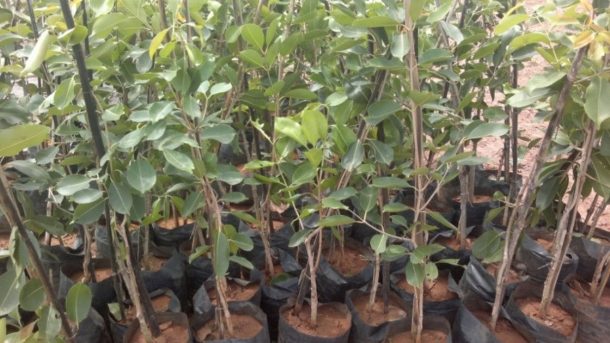
The jamun is propagated in both methods such as by seed and vegetative method. Seed propagation results in late fruit bearing, therefore vegetative method of propagation is preferred for improved or selected types. The seeds have no dormancy; hence fresh seeds can be sown 4-5 cm deep at a distance of 25×15 cm. The seed normally germinate in 11 to 15 days after sowing. The seedlings become ready for transplanting in main field in spring or next monsoon. Budding is most successful. This is performed on 1 year old rootstock having about 10 to 15 mm thickness. The ideal time for budding is July- August in low rainfall regions. Patch, shield and forkert methods of budding give more than 75% success, if performed in the month of march.
Seed
How seed treatment is done for brinjal?
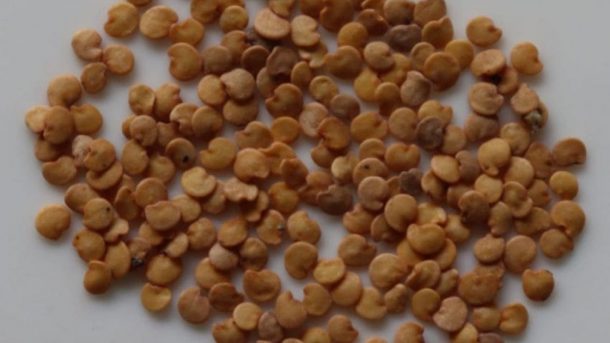
Treat the brinjal seeds with Trichoderma viride @ 4 g/kg or Pseudomonas fluorescens @ 10 g/kg of seed. Treat the seeds with Azospirillum @ 40 g/400 g of seeds using rice gruel as adhesive. Irrigate with a rose can. In raised nursery beds, sow the seeds in lines at 10 cm apart and cover with sand. Transplant the seedlings 30 – 35 days after sowing at 60 cm apart in the ridges.
What is the seed rate required to grow sorghum and how seed treatment is done?
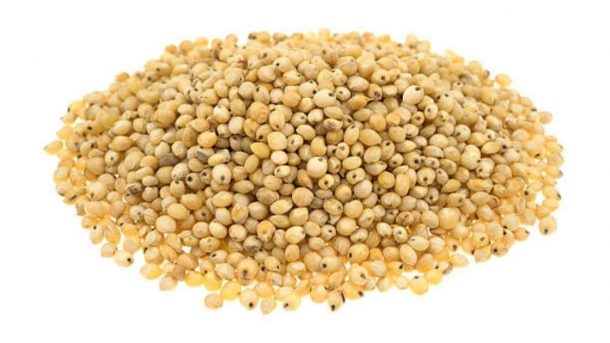
The required plant population can be obtained by using a seed rate of 8 -12 kg/ha. The seeds are sown about 3 to 4 cm deep on the furrows. The optimum seed rate for grain sorghum is 10 pounds of seed per acre assuming a seed size of 14,000 seeds per pound and 70% emergence. The seed size varies from about 13,000 to 16,000 seeds/pound depending on the hybrid. The seeding rate on a pound per acre basis must be decreased for smaller seed and increased for larger seed. The goal is to achieve about 1,00,000 plants per acre.
The seeds of sorghum are treated with the 300-mesh sulfur powder about 4 gm of sulfur per kg of seeds for controlling the smut disease. The sorghum seeds are soaked in 30% salt solution. Ergot affected sorghum seeds which floats are removed to avoid the incidence of ergot disease.
What is the seed rate and how sowing is done in organic sorghum farming?
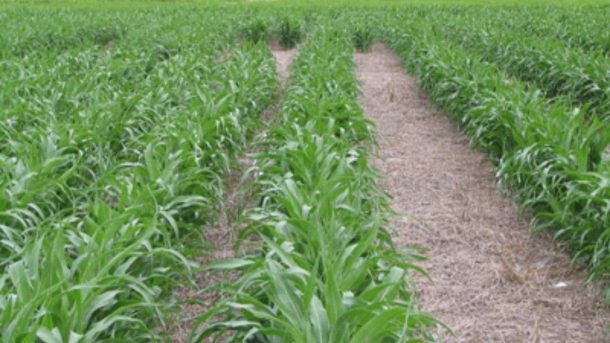
A seed rate of 5 to 6 kg seed per acre is sufficient to ensure a good stand of the crop. Sowing should be carried out by drilling by a row-to-row distance of 25 cm. Seed broadcasting should be avoided. The seed should be sowed at 3 to 4 cm depth. The seeds are sown in rows 45 cm apart with a plant-to-plant distance of 12 cm and at a depth of 3 to 4 cm. Sowing the seeds either by broadcasting pr in rows behind the plough.
How propagation is done in Cocoa?
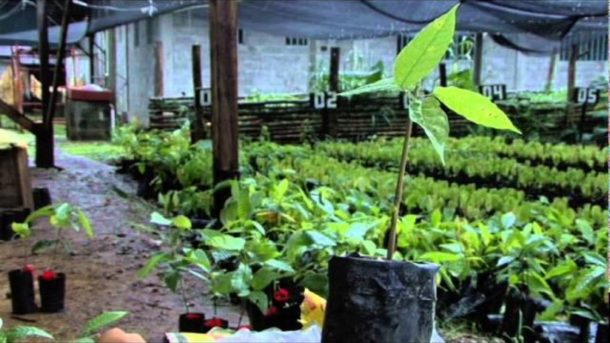
Cocoa can be propagated from vegetatively or seeds. Seed pods may be collected from trees yielding 80 or more pods per year with pod weight 350 to 400g. Before sowing Cocoa, seeds are rubbed with wood ash or dry sand to remove the mucilage. The beans are planted either in plastic bags or raised beds, with their pointed end upwards. If you are trying to sow in beds, young seedlings are generally transplanted into polythene bags after around 2 weeks of germination. The seedling is ready for transplantation to the field after they attain a height of 30 cm or around 3 to 4 months.
It can also be propagated vegetatively through softwood grafting, cuttings and forkert method of budding etc. but there are limits at present for implementing vegetative propagation one a commercial scale.
Can you grow Aloe Vera from seed?
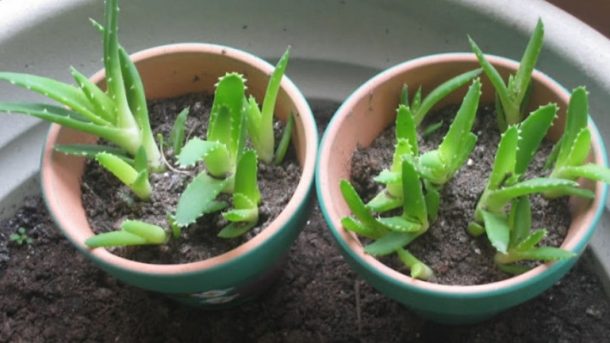
Yes, Aloe Vera can be grown from seeds for your garden, but on a commercial level, this method is not advisable because Aloe Vera seeds are produced only when the plants flower and it takes more than four or five years to produce reliable seeds. For the garden, peat and sand mixed with the soil make a well drained medium for sowing the seeds. The soil should be lightly dampened before spreading the seeds with 1 inch spacing. Plastic sheets can be covered over the pots to maintain humidity and facilitate germination.
What is dibbling method?
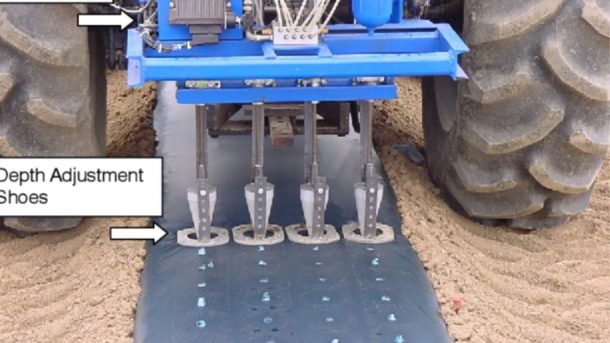
Dibbling is a method of cultivation, which uses an instrument called dibbler to plant seeds into the soil. A dibbler is a pointed stick that creates hole in the ground and plants the seed or seedling into it. Dibbling is not just placing the seedlings into the hole; it is used in conjunction with another process called puddling. Puddling is planting a seedling into a small hole filled with water in the ground.
Why are grains dried before storage?
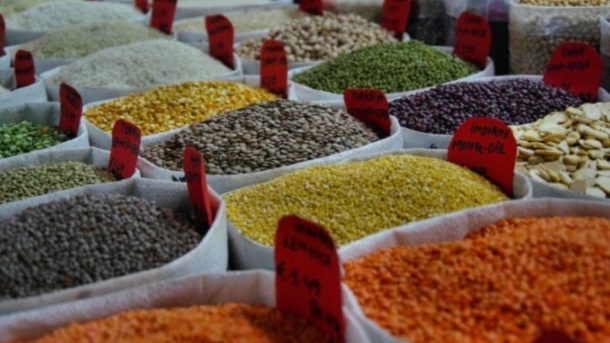
If grains that have been freshly harvested are stored without drying, then they may be spoiled due to micro-organism infestation. Drying the grains removes moisture from them so as to improve their shelf life and reduces the attack by insects, pests, bacteria and fungi. If the grains or seeds are to be used for sowing then moist grains lose the ability of germination very fast. So, it is always advised to dry the seeds up to 12% before storing.
What are the methods of planting crops in the farm?
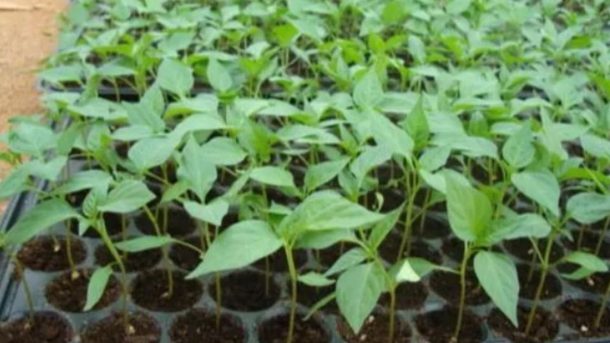
There are two major ways in which planting could be done are direct seeding and transplanting. Direct seeding refers to planting the seeds in the fields for growing crops, whereas transplanting refers to planting saplings or seedlings that have been grown in nurseries from seeds.
What is black rice and how germination takes place in it?
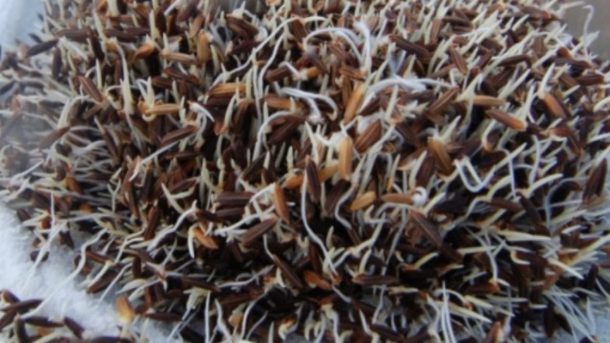
Black rice is a species of wild rice also called Chinese Black rice. It is medium grain rice that is high in antioxidants and nutrients. It prefers warm climate and long growing seasons of at least 3 to 6 months. Black rice thrives under full sun and with generous watering. Successful germination requires sustained temperature of at least 21°C.