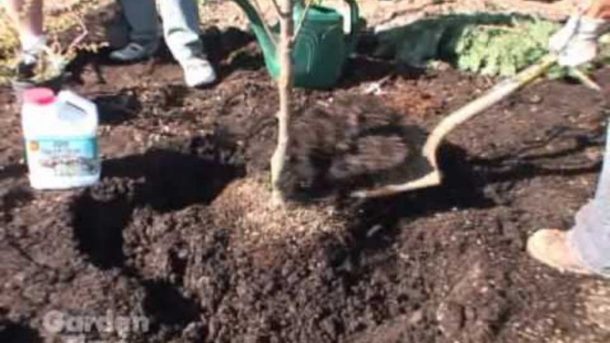
The major consideration with container grown fruit trees is the soil type. The growing medium (potting soil) chosen for a pot can change the amount of water needed for the tree, any good quality commercial potting soil will work fine. Also, for growing dwarf fruit trees, you can make your excellent potting soil by mixing up 1 part sand, 1 part peat moss, and 1 part perlite or vermiculite. Otherwise, care for a potted fruit tree must be the same as for a tree grown in the garden.
Soil
How Land Preparation and Planting is done in Cherry Fruit Cultivation?
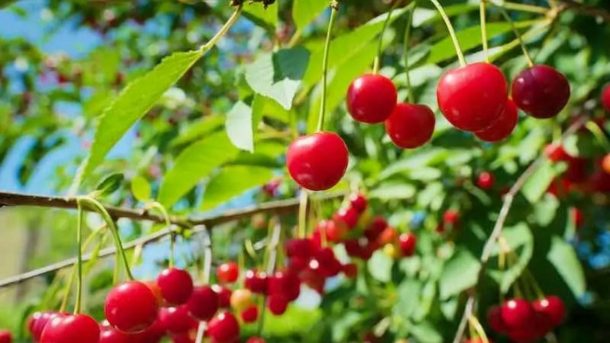
In India, the ideal planting time for cherry is Dec to Jan and this fruit cultivation carried mainly on hilly areas on sloppy lands. Usually contour or terrace system is practiced. However, square system is practiced in valley regions. The spacing of plants depends on the rootstock used. However, a spacing of 6 x 6 meter is preferred for plants raised in seedlings. Land should be given couple of ploughings to make the soil fine tilth and weed free.
Pits size of 1 x 1 x 1m should be dug and filled with a mixture of 45 kg of well rotten farm yard manure (FMY) and 1/2 kg of super phosphate just 4 weeks before planting. Pits should be filled 15 cm above the ground level.
Which Soil is suitable for Cherry Fruit Cultivation?
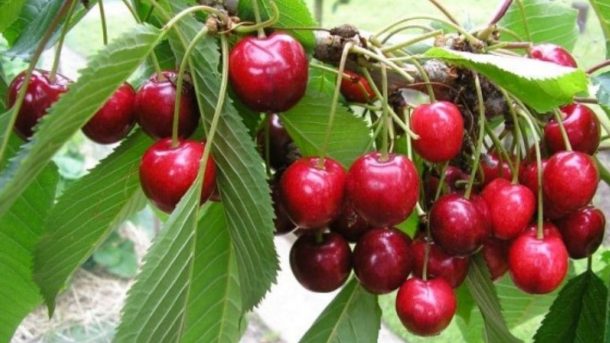
For better growth and high yield if cherries, Proper soil should be selected. The cherry tree requires the deep sandy loam soil with the pH range of 6.0 to 7.5. A well drained fertile soil with moisture holding capacity is best for cherry cultivation. As the cherry trees are sensitive to water stagnation, make sure to have internal well drainage in the soil. Avoid heavy soils in cherry fruit cultivation.
Which Soil is suitable for Hibiscus Cultivation?
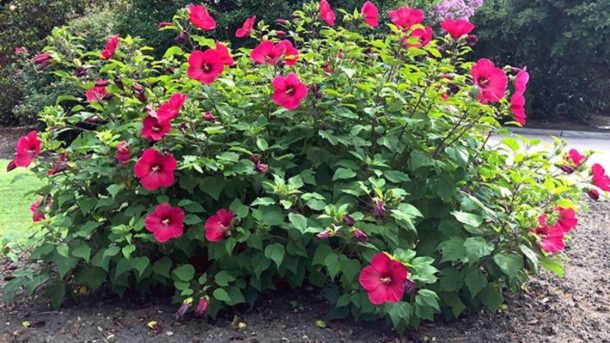
Hibiscus plants prefers sandy loam but not heavy soils. Growers can get many flowers with soil rich in organic matter. If these plants are grown in pots or containers, regular quality potting soil with added garden compost is an ideal base. To make this, composed cow manure, compost bark, and coarse peat should be mixed. Make sure the soil has well-drainage as these plants cannot tolerate water logging conditions. Make sure to have the soil in coarse stage rather than fine tilt. Hibiscus prefers neutral to slightly acidic soil. These plants thrive best in the soils with pH level between 5.5 and 6.5. If this crop is taken up as commercial on large scale, it is advised to go for soil testing. Any micro-nutrient deficiencies should be filled based on the test results.
How Bed Preparation is done for Carnation Flower Growing?
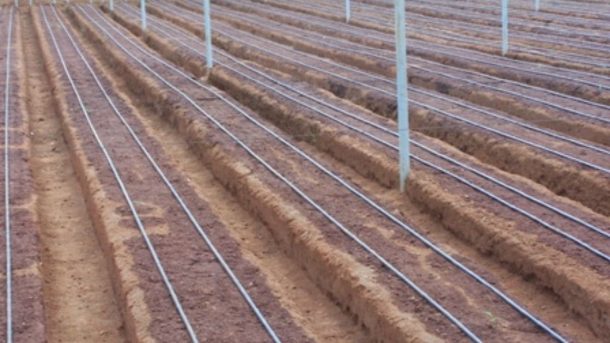
A bed of 1-meter width and convenient length should be considered. construct raised beds as they are more ideal for carnations. You can leave a working path of 50 to 60 cm between the beds.
Mix well-decomposed coir pith/paddy husk/sawdust for bed preparation and adequate compost and sand should be added depending upon the clay content of the soil. Usually, a well-prepared bed should contain a mixture of soil, well decomposed farm yard manure, sand and coir pith in a proportion of 4:2:1:1.
How Land Preparation is done for Carnation Flower Growing?
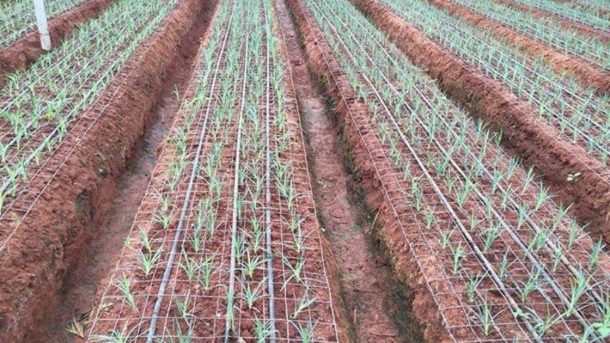
Land should be prepared deep enough before preparation of beds. You can achieve a fine tilth stage by giving a couple of deep ploughs. Remove any clod’s and weeds from previous cultivation.
Which Soil is suitable for Carnation Flower Growing?
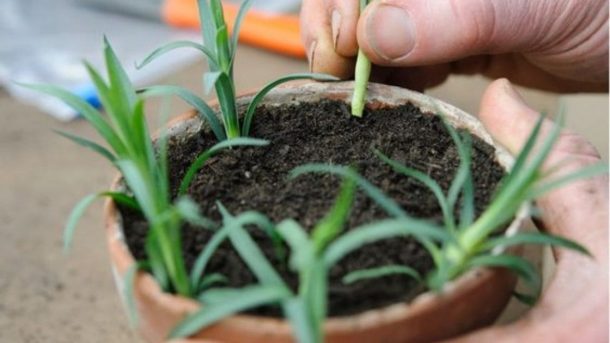
A well-drained red loamy porous soil with plenty of well-decomposed organic matter is excellent for carnation growth and yield. The ideal soil pH range for growing carnations is about 5.5 to 6.5.
How Land preparation is done for Sesame Farming?
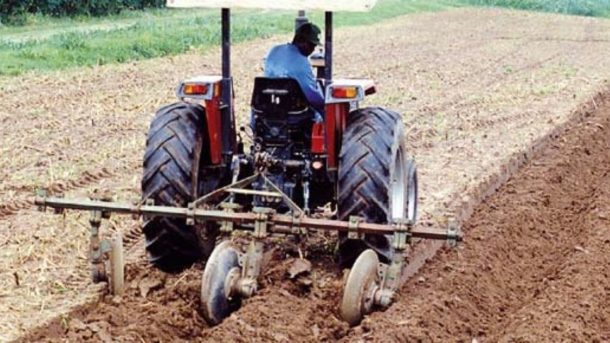
The land should be ploughed by tractor or desi/country plough and harrowed repeatedly for bridging the soil to fine tilth and weed free for quick germination as the sesame seeds are small. Add appropriate Farm Yard Manure while preparing the soil or beds.
Which Soil is suitable for Sesame Farming?
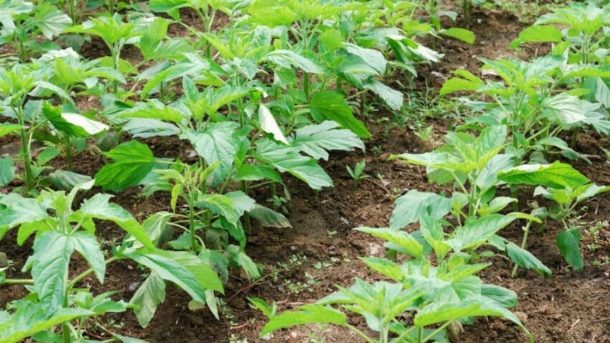
The sesame crop grown as summer crop, Kharif crop and also as semi-rabi crop. Sesame thrives well on soils with neutral reaction (or) slightly acidic type. There should not be any water stagnation in the soil, so make sure soil is well drained and light loamy soil for better growth performance. The preferred soil pH range of sesame crop is 5.5 to 8.0. Saline soils or too much sandy soils are not suitable for sesame cultivation. Adding well rotten Farm Yard Manure to the soil is beneficial in getting higher yields.
Which Soil is suitable for Marigold Farming and how land preparation is done?
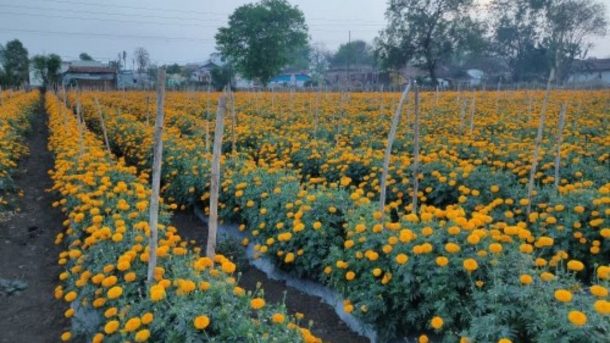
This flower grows on a wide range of soils. However, fertile sandy loam soils with good internal drainage are the best suitable for marigold cultivation. Acidic and Saline soils is not suitable and the soil pH range should be 6.5 to 7.5. Plough the field with tractor or desi country plough till fine tilth of the soil is achieved.