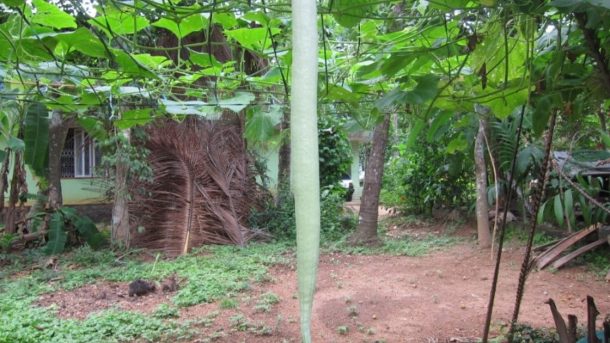
The most-ideal soil for the cultivation of snake gourd is sandy loam or loam, which is well drained and rich in organic matter. The soil pH ranges from 6.5 to 7.5 is most ideal for its successful cultivation. The field is prepared to a fine tilth by repeated ploughing and planking.
Soil
Which soil is suitable for Amla cultivation?
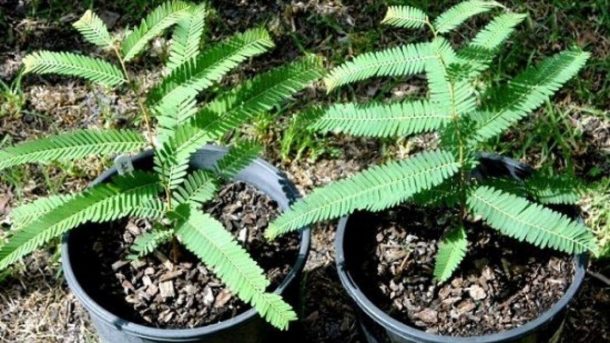
Well drained fertile loamy soil is ideal for aonla cultivation although, it can be successfully grown in light as well as heavy soils except very sandy one. Slightly acidic to saline soils (pH 6.5-9.5, EC 5dsm, ESP 30-40) are suitable for its cultivation. Heavy soils with high water table are not suitable for its cultivation. In recent years, aonla has been identified as an ideal plant for various kinds of wastelands viz., moisture stress, eroded, ravines, upland, riverbeds and areas with undulated topography. Its deep root system and deciduous nature is helpful in providing vertical drainage and improving physical, chemical and biological soil properties. Introduction of aonla in the natural rangelands has shown its suitability for rehabilitation, particularly through popularization of agri-silvihorticulture land use system. Aonla can also be planted on roadsides, strip lands. Experiments on salt tolerance of aonla showed that the aonla has immense possibility for commercial growing on salt affected wasteland which covers an area of 7.0 million hectares in India.
How field preparation is done for groundnut cultivation?
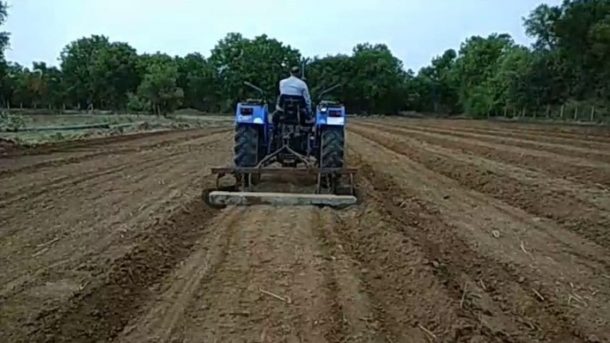
Although the groundnut is a deep-rooted crop, but looking to its underground pod forming habit, deep ploughing should be avoided, because it encourages development of pods in deeper layers of soil which makes harvesting difficult. Adequate rains at sowing are necessary for proper germination and good plant growth and well-distributed rainfall during the crop period ensures normal vegetative growth, increased flowering and proper development of pods. One ploughing with soil turning plough followed by two harrowing would be sufficient to achieve a good surface tilth up to 12-18 cm depth.
Which soil is suitable for groundnut cultivation?
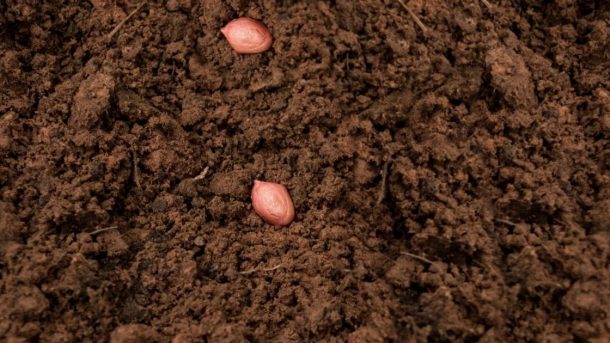
Groundnut does well in the well-drained, light textured, loose, friable and sandy and sandy loam soils which helps in easy penetration of pegs and their development and also harvesting. Clay or heavy soils are not suitable for this crop as they interfere in penetration of pegs and make harvesting quite difficult. Groundnut is sensitive to soil salinity. It gives good yields in the soil having the pH between 6.0 to 7.5, well supplies with calcium and a moderate amount of organic matter.
Which soil is suitable for Black gram farming?
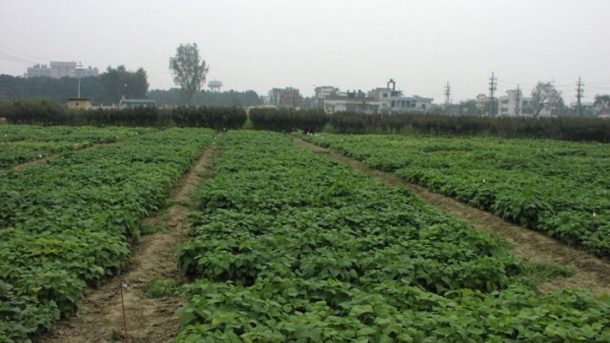
Black gram does well on heavier soils like black cotton soils that retain moisture. It can be grown in all types of soils from sandy loam to heavy clay soil, except the alkaline and saline soils. Loam or slightly heavy soils with neutral pH levels are best suited for urad bean. The soil must be well drained and have good water holding capacity. Waterlogged, saline and alkaline soil must be avoided. The black gram grows well in fertile soil which is rich in lots of organic contents. Therefore, try to add as much organic content as you can while preparing the soil.
Which soil is suitable for Hazelnut farming?
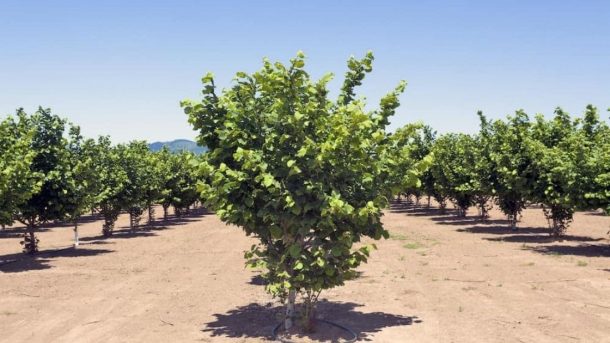
Shallow root but wet soil affects the Hazelnut cultivation to some extent. Hazels grew in pH levels ranging from 5.5 to 7.5, but better and more preferable is 7 for cultivation. Hazelnut trees can grow in most soil types, as long as its well draining. They don’t do well in boggy, water-logged areas, and they are best planted in light soil with a pH level of 5.5 to 7.5. Hazelnut trees tolerate a wide variety of soils from Calcareous to acid, loam to clay soils. It will not grow well in waterlogged and peaty soils. Shallow soils will restrict the tree growth and height of hazel.
Why sudden wilt occurs in muskmelon?
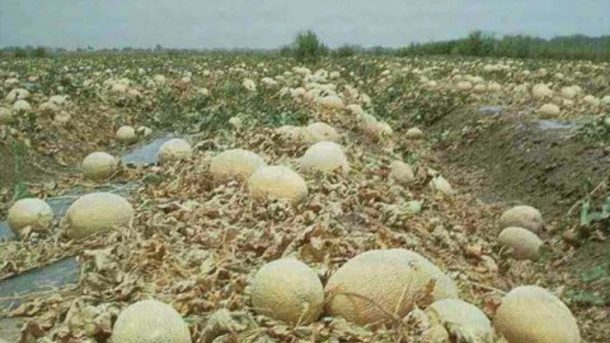
This disorder refers to sudden vine collapse or rapid wilting of vine soon as the fruits start to develop netting and the vines have covered the ground. The entire plants in the field may collapse within a couple of days and fail to recover. Enormous pathogens have been found associated with this disorder and may be the primary causes of the observed symptoms. Fusarium and Pithium fungi have been linked to this disorder.
Soil fumigation delays the development of such symptoms. Periods of cool and cloudy weather during growth of the plant followed by hot sunny conditions increase the incidence of this disorder.
What is the soil temperature required for Oats seed germination?
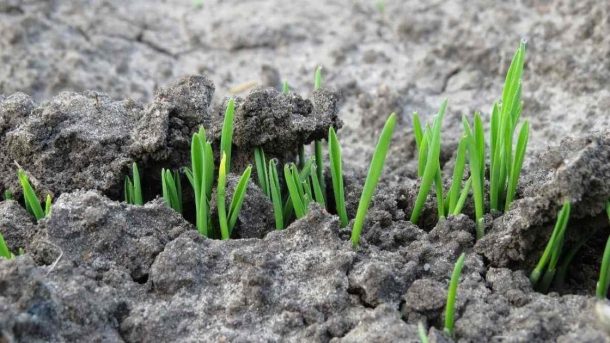
Oat’s seed will germinate at 5°C. Though, like most plants, oats will germinate faster as soil temperature increase; the goal is to balance an early planting date with biological limitations and the potential for seed predation or pathogen issues. While early planting dates means higher yield and test weight potential, this spring has pushed the limit on what early planting can mean with some farmers planting in early to mid-march.
Which soil is best suitable for growing Castor?
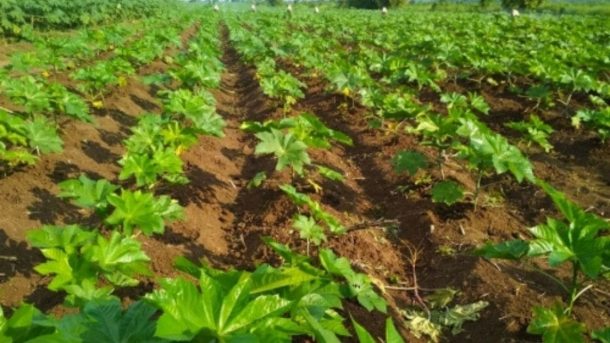
Castor crop can be grown on a wide range of soils, provided they are fairly deep and well drained. Heavy clays with poor drainage and marshy soils are not suitable for castor crop. The suitable soils for castor are deep, moderately fertile, with slightly acidic conditions pH level of 5.0 to 6.5. Though, excessively fertile soils are not desirable, as they favor excessive vegetative growth at the expense of seed yield. Castor crop does well in the soil which is not for valuable commercial crops.
Which soil is best suitable for growing custard apple?
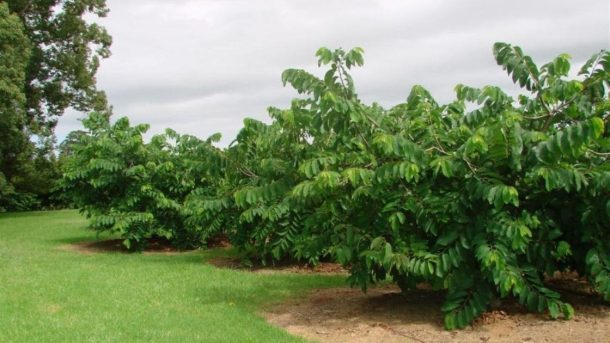
Before planting custard apples, it is important to understand the and climate attributed they need to flourish. Custard apples grow best in sandy loam soils, but well-structured clay loams are also suitable. Although trees main feeder roots are relatively shallow, at least 1 m of well-drained soil without heavy clay or rock is needed to avoid root rot and ensure good tree performance. Plant the trees on mounds. If possible, avoid soils that have previously grown these crops: tomato, potato, egg plant, capsicum and ginger.