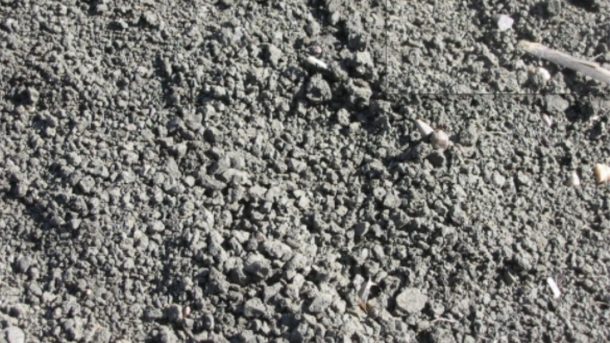
It refers to the arrangement of primary soil particles namely sand, silt, clay and their aggregates into certain defined pattern is called soil structure. It also defines the physical shape of the soil aggregates. Soil structure can be changed or altered by agronomic practices i.e., ploughing, cultivating, drainage, liming and manuring. The primary particles sand, silt and clay usually occur grouped together in the form of aggregate.
Soil
What is soil texture?
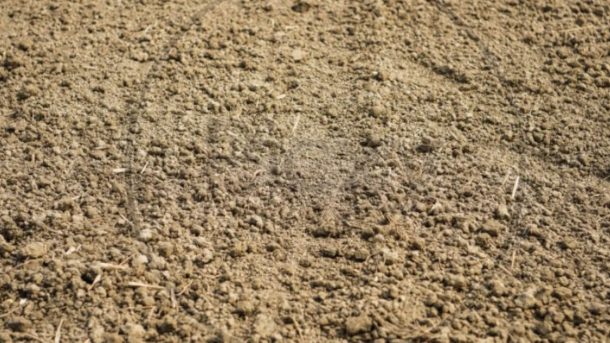
It refers to the relative proportion of various types of soil particles. It is the basic property of soil which can’t be changed. In field condition, soil texture is generally determined by feel method.
Is it true that coffee grounds are beneficial to persimmon trees?
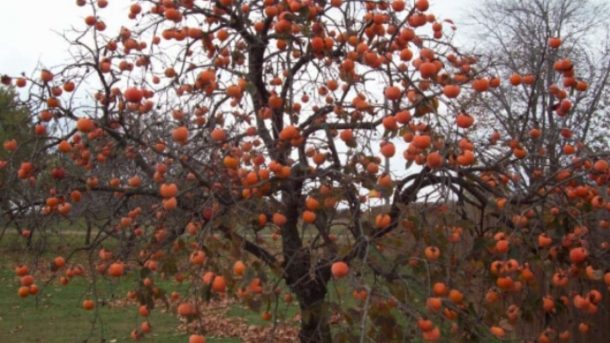
Nitrogen, Phosphorous, magnesium and copper are among the nutrients found in coffee grounds. Fruit trees require these easily available nutrients to stay healthy. Coffee grinds also increase the acidity of the soil, which is advantageous because most fruit trees like a slightly acidic pH of 6.0 to 7.0.
Which type of soil is suitable for olive trees?
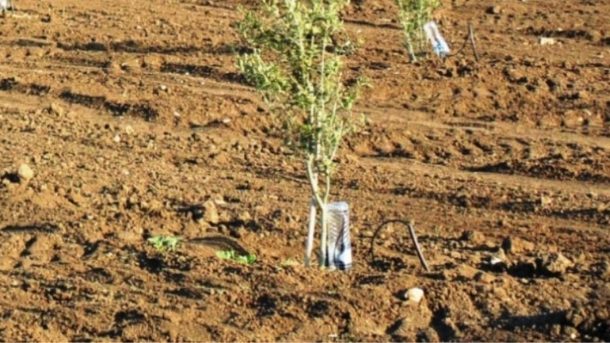
Olives thrive in regions with marginal soils. The soil should be well aerated and well drained in nature. Shallow soil base should be avoided. Too much sandy soil is not suitable for olive cultivation. Soil with 30 % clay and high gravel content is considered best for olive farming. The pH of the soil should be in between 5 to 6.
Which soil is suitable for Ivy gourd cultivation and how land preparation is done?
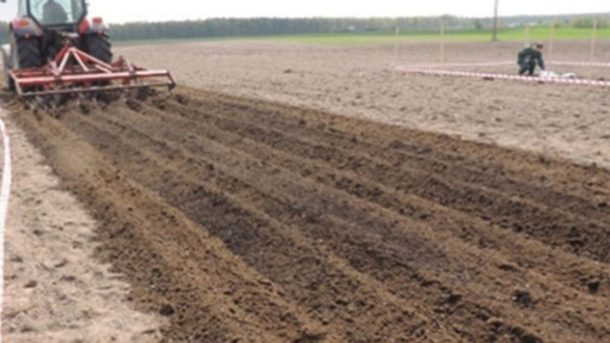
Well drained rich sandy loam soils are best suitable for its cultivation. Heavy clay soils, acidic and alkaline soils should be avoided. The soil pH of 6.0-6.5 results in the best yield and quality of the vegetable.
Plough the land or soil until fine tilth is achieved and to kill any weeds. Apply any well-rotted manure along with micronutrients.
Which type of soil is best for planting onions?
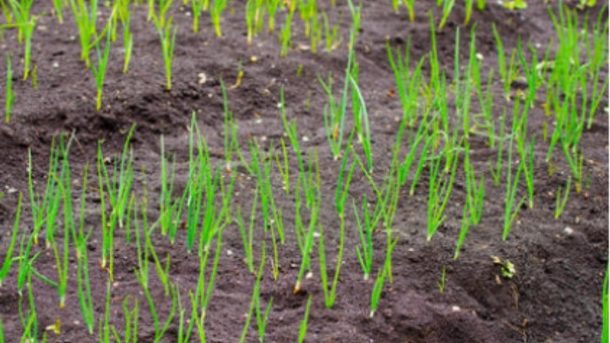
Onions grow well in well drained soil with pH levels between 6.0 and 7.0. Soils organic matter can be increased by adding well rotted manure or compost in the spring or fall season. Onions grow well in slightly acidic, fertile and well drained soils. Heavy soils can be improved by incorporating organic matter like compost in to the soil. Onions need higher fertility levels.
Which type of soil is best suitable for cultivating dates?
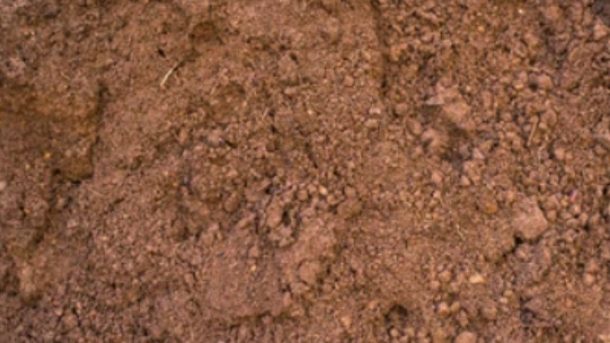
The date palm trees need sandy loam, sandy, clay or other heavy soils for proper growth and establishment. The soil should be well aerated and should have proper draining properties. The plants can tolerate alkaline soil conditions, but excess salt in the soil is expected to stunt the growth and lower the quality of the fruit.
What is Dry land farming?
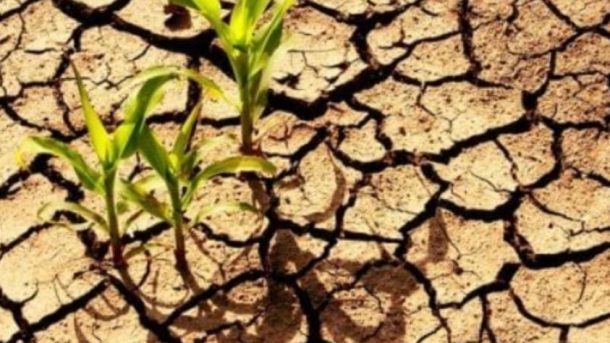
Cultivating crops in areas where annual rainfall is more than 750mm but less than 1150mm is called dry land farming. The soil moisture conservation measure is the key for dry land farming practice in semi-arid region. Drainage facility may be required especially in black soils.
What is the soil requirement for Brown rice farming?
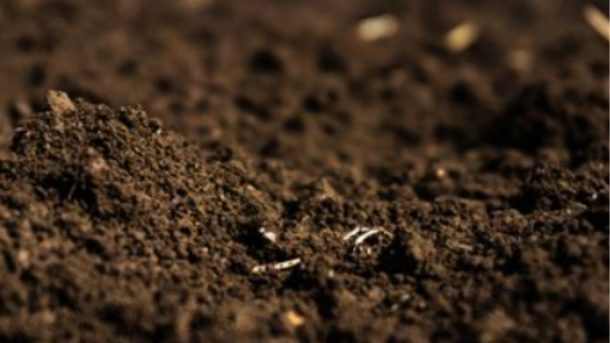
Brown rice grows on a variety of soils like silts, loams & gravels. It can tolerate alkaline as well as acid soils. However, Clayey loam is well appropriate to the raising of this crop. Clayey loam soils on monsoon land is considered to be the best for rice cultivation as the winter retention capacity of this soil is high. Brown rice grows in saline areas of the region. Rice cultivation needs high fertilizer application.
What is the finest soil for jackfruit?
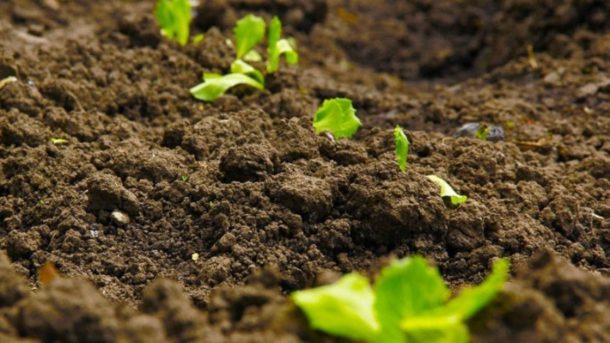
Alluvial soils with a deep and open texture are ideal for growing jackfruit. However, because of the greater range of conditions it may be grown in, it can be cultivated in a variety of soils as long as they are well drained.