soil organisms

What are the problems caused by inefficient irrigation practices and water wastage in agriculture?

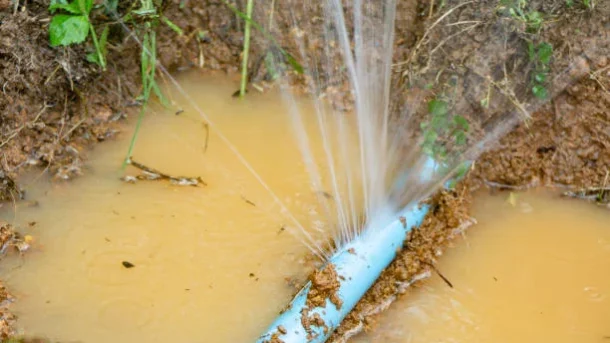
Competition and Water Scarcity: Inefficient irrigation techniques result in excessive water use, which causes water scarcity in agricultural zones. Competition for water among various sectors, including agriculture, industry, and home use, grows as water resources become scarce. This may limit the amount of water available for agricultural purposes and affect the region’s overall water security.

Water Source Depletion: Inefficient irrigation practices frequently involve excessive irrigation or inappropriate water management, which causes the depletion of water sources like rivers, lakes, and underground aquifers. Water tables can decline as a result of excessive groundwater extraction, which will have long-term detrimental effects on both agricultural and non-agricultural water consumers.

Soil Degradation and Salinization: Poor irrigation techniques, such as using too much or too little water, can cause the degradation and salinization of the soil. When soil becomes waterlogged from excessive irrigation, soil aeration is reduced and salt buildup in the root zone is encouraged. This has a negative impact on crop development, output, and soil fertility, which eventually lowers agricultural yields.

Energy Use and Greenhouse Gas Emissions: Using inefficient irrigation techniques frequently results in higher energy costs for pumping, distributing, and extracting water. The usage of more energy results in more greenhouse gas emissions, which fuel climate change and environmental damage. Long-term effects on sustainable agriculture may result from this, and the effects of climate change on water resources may be exacerbated.

How does the absence of effective land-use planning and zoning policies impact sustainable agriculture?

land-use

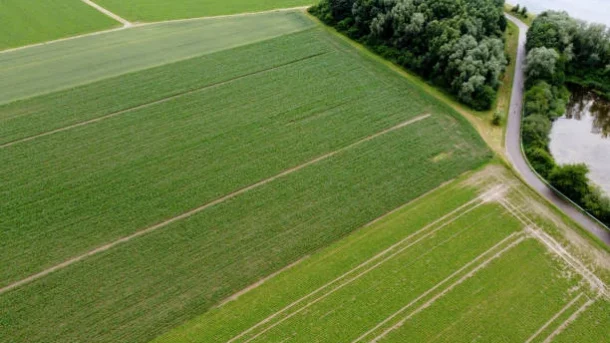
Encroachment on Agricultural Land: Without adequate land-use planning and zoning, infrastructure projects, industrial operations, and urban expansion may all encroach on agricultural land. This causes fertile farmland to be converted to non-agricultural uses, resulting in the loss of important agricultural resources and a reduction in the amount of land available for sustainable farming methods.

Agriculture land fragmentation: Without defined land-use planning guidelines, agricultural land may be split into smaller portions as a result of unplanned urban growth or property subdivision. Farming operations are hindered by fragmentation, which also diminishes economies of scale and restricts the adoption of sustainable land management techniques.

Soil Degradation and Loss: Poor land-use planning can lead to land practices that are not sustainable, such as excessive use of chemical fertilizers, poor irrigation techniques, and insufficient soil conservation measures. This can endanger the long-term productivity and sustainability of agricultural land by causing soil erosion, nutrient depletion, and soil fertility loss.

Impacts on the Environment: Poor land-use planning can result in ecosystem harm and environmental deterioration. The danger of contamination from urban runoff, industrial pollutants, and chemical inputs can rise if there are insufficient buffer zones between agricultural and non-agricultural regions. The health of the environment, biodiversity, and water quality may all be negatively impacted by this.

What are the issues related to food security and nutrition in the context of agriculture?

food security

Inadequate production and distribution: Agriculture is a key component of food production, although productivity can be hampered by issues including poor access to resources, land degradation, and climate change. Food shortages and food insecurity may result from inadequate agricultural production. Additionally, ineffective food distribution methods and restrictions to market access can lead to uneven food distribution, aggravating problems with nutrition and food security.

Lack of availability to wholesome food: Even in situations where food is readily available, many people experience difficulties obtaining a variety of wholesome foods. The ability of individuals to acquire and receive wholesome food may be hampered by poverty, income disparity, and restricted access to markets.

Micronutrient deficiencies and malnutrition: Malnutrition includes both overeating and undereating. Inadequate nutrient and calorie intake can lead to undernutrition, which includes stunting, wasting, and underweight. Contrarily, overnutrition refers to the excessive ingestion of calories, which frequently leads to obesity and non-communicable diseases associated with diet. Deficiencies in micronutrients, such as a lack of vitamins and minerals, are another major obstacle to proper nutrition. These types of malnutrition and deficits in micronutrients can be attributed to inadequate availability to a variety of nourishing foods.

Unsustainable agricultural practices: Some agricultural methods, particularly extensive monoculture farming, excessive pesticide usage, and poor land management, can have a negative impact on nutrition and food security. These actions may result in soil degradation, biodiversity loss, and water resource contamination.

What are the issues related to conflicts over land ownership and natural resource rights in the agricultural sector?

conflicts

Displacement and loss of livelihoods: Local communities, particularly indigenous peoples and small-scale farmers, may be displaced as a result of land conflicts. The loss of traditional knowledge, cultural heritage, and social cohesion results from displacement, which also upends their way of life and means they can no longer support themselves. Communities that have been displaced frequently struggle to find new sources of income, which exacerbates poverty and food insecurity.

Uneven resource distribution: Conflicts over land can result from the unfair allocation of land and other resources. Smallholder farmers and indigenous groups may be marginalized if land is concentrated in the hands of a small number of large, powerful organizations or agribusinesses. Inequalities in agricultural access to resources like water, forests, and grazing grounds accentuate socioeconomic disparities and continue to exist.

Conflicts over ownership of land and resources can result in the unsustainable exploitation of natural resources, which harms the environment and depletes natural resources. Multiple parties claiming ownership of the same land or resources can lead to resource depletion, inappropriate land management, and excessive use. Some of the environmental effects of disputes over land and resource rights include deforestation, soil erosion, water pollution, and biodiversity loss.

Violence and insecurity: Land disputes can deteriorate into hostile environments. Conflicting interests, dynamics of power, and long-standing socio-political conflicts are frequently present in disputes over land ownership and resource rights. In extreme circumstances, this can result in violent land-related disputes, endangering the life and well-being of the parties involved as well as their communities.

What are the problems caused by inefficient and outdated agricultural practices and technologies?

inefficient

Low productivity: Low agricultural production is frequently the result of out-of-date methods and equipment. The amount of land that can be farmed, the yield per unit area, and the overall crop production can all be affected by inefficient farming techniques like manual labor or crude tools. This makes it more difficult for farmers to satisfy the rising demands for food, feed, and fiber.

Waste of resources: Ineffective procedures can result in the loss of priceless resources including energy, water, land, and fertilizers. Poor irrigation practices, erroneous fertilizer application, and ineffective pest control tactics can waste inputs and increase production costs. They can also deplete resources and degrade the environment.

Degradation of the environment: Outdated methods and tools might not put environmental sustainability first. Agrochemical overuse, inappropriate waste management techniques, and poor soil management can all contribute to environmental deterioration in the form of biodiversity loss, soil erosion, and water contamination. These problems endanger ecosystems, but they also jeopardize the sustainability of agricultural systems in the long run.

Reduced profitability: The profitability of farming operations can be directly impacted by inefficient techniques. Farmers may experience fewer profitability as a result of increased input costs, decreasing yields, and deteriorated product quality. In addition to limiting the capacity of farmers to add value to their products, diversify into higher-value crops or products, or get access to premium markets, outdated technologies can also negatively affect farmers’ profitability.

How does the absence of land-use planning and zoning policies impact sustainable agriculture?

planning

Agricultural fields may become fragmented or intermingled with non-agricultural activity in the absence of land-use planning and zoning regulations. Fertile farmland may be turned into residential, commercial, or industrial zones due to encroaching urbanization, industrialization, and infrastructure development. Farming operations are disrupted by fragmented agricultural landscapes, which also make it harder for farmers to transport their goods and face logistical difficulties.

Land-use planning and zoning regulations can aid in preventing soil erosion and loss on agricultural properties. In the absence of such rules, unsustainable land use practices, including deforestation, overgrazing, excessive pesticide use, and incorrect land management, can impair soil fertility, deteriorate soil quality, and jeopardize long-term agricultural output. Zoning regulations can assist in designating agricultural land for particular uses.

Resource competition: Land-use planning and zoning regulations are vital in controlling conflicting demands for resources and land. Conflicts between agricultural activities and other land uses, such residential, commercial, or industrial growth, may arise in the absence of these rules. Such rivalry may result in land fragmentation, the loss of arable land, and greater demand on water and other natural resources, which may result in unsustainable use and resource depletion.

Loss of biodiversity and ecosystem services: Agricultural lands are significant habitats for biodiversity and ecosystem services in addition to being productive places for food production. The conversion of environmentally significant regions, such as wetlands, woods, or grasslands, into agricultural lands or non-agricultural uses can happen in the absence of land-use planning and zoning rules.

How does the limited availability of land and competition for resources affect agricultural expansion?

agricultural

Land scarcity: As the world’s population rises, there is a finite amount of land that can be used for agriculture. The amount of land that is accessible for farming generally decreases as a result of urbanization, industrialization, and infrastructural development that frequently encroach on agricultural land. The lack of available land makes it difficult to increase agricultural production and satisfy the rising food demand.

Land degradation and intensification: To optimize output from scarce land resources, farmers may turn to increasing agricultural practices in response to a lack of available farmland. This may entail using more fertilizers, herbicides, and machinery. However, if intensive farming methods are not managed responsibly, they can result in soil erosion, land degradation, and loss of soil fertility, further reducing the potential for development.

Water scarcity: Another barrier to agricultural expansion is competition for limited water supplies. The supply of irrigation water for agriculture is decreased by water shortage, which is made worse by climate change and rising water demands from other industries. Crop growth, yields, and the expansion of farming operations can all be hampered by a lack of water supplies.

Access to inputs: The spread of agriculture may be hampered by a lack of resources like seeds, fertilizer, and pesticides. Prices for these inputs may increase due to high demand and fierce competition, making them less accessible and affordable, especially for small-scale farmers. The expansion of agricultural activity is restricted by the lack of access to necessary inputs, which also affects output.

How does the lack of research and development investments hinder innovation in agriculture?

research and development

Limited technological progress: R&D expenditures are essential for advancing agriculture’s technology. These investments aid in the creation of novel crop varieties, enhanced agricultural techniques, mechanization, precision farming, and eco-friendly farming methods. Without sufficient financing for research and development R&D, technical advancement moves more slowly, making it harder to access cutting-edge equipment and methods that could boost agricultural output, sustainability, and resilience.

Inadequate responses to new problems: Agriculture has several difficulties, such as pests and illnesses, soil deterioration, water scarcity, and shifting consumer needs. Investments in research and development R&D are required to address these issues by creating cutting-edge technology and solutions. Research into climate-resilient crops, sustainable production methods, precision agricultural technologies, and other farming aids is lacking due to a lack of financing.

Limited adoption and knowledge transfer: R&D investments not only produce new knowledge and technology but also make it easier for people to use and accept them. research and development R&D initiatives offer advice, best practices, and extension services based on evidence to assist farmers in understanding and utilizing novel ways. The dissemination of new technology and techniques to farmers is hampered by a knowledge transfer gap caused by insufficient R&D investments. Due to slower adoption rates, innovations’ potential effects on farm productivity and sustainability are constrained.

Inadequate capacity building and human capital development: R&D investments help the agricultural sector increase capacity and develop human capital. The training of scientists, researchers, technicians, and extension personnel who may promote innovation and information dissemination is supported by these investments. Lack of R&D funding decreases.

What are the implications of changing land use and deforestation for agriculture?

deforestation

Loss of Agricultural Land: Deforestation frequently entails the clearance of trees for other land uses like agriculture, infrastructure construction, or urbanization. As a result, valuable agricultural land is lost, lowering the amount of land that may be used to grow food. Farmers may thus encounter difficulties when they try to increase agricultural production and satisfy the rising food demand.

Environmental Impact: Deforestation causes biodiversity loss and environmental degradation. In order to preserve ecosystem equilibrium, provide home for wildlife, and support fundamental ecological processes, forests are necessary. Loss of important ecosystem services, soil erosion, water pollution, and reduced water availability can all result from the clearing of forests for agricultural purposes. Agriculture’s productivity and sustainability may be significantly impacted by this.

Land use changes and deforestation both contribute to climate change. By removing and storing carbon dioxide from the atmosphere, forests serve as carbon sinks. When forests are cut down, the carbon that has been stored there is released, which increases greenhouse gas emissions. Deforestation also disturbs regional and local climate patterns, influencing temperature regulation, rainfall patterns, and general climatic conditions that are essential for agricultural output.

Biodiversity loss is a result of deforestation, which causes many different plant and animal species to lose their habitats. Compared to natural ecosystems, agricultural landscapes often have reduced biodiversity. The loss of biodiversity can alter the ecological balance, have an impact on pollination, insect management, nutrient cycling, and make agriculture more susceptible to pests and illnesses.

How is the agriculture sector addressing water pollution and nutrient runoff?

nutrient runoff

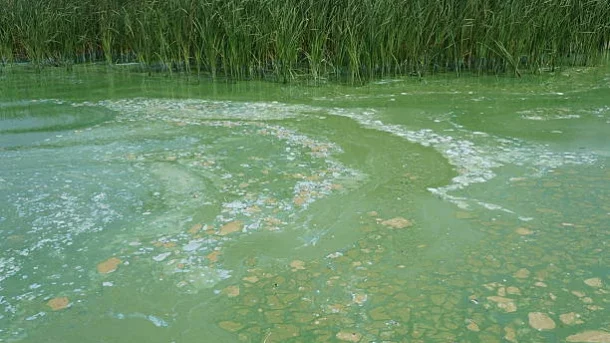
The agriculture industry is implementing a variety of actions to address the serious environmental problems of water contamination, nutrient runoff and fertilizer runoff. Here are some crucial strategies:

Best Management practices (BMPs): BMPs are rules and methods intended to lessen nutrient runoff and water pollution from agricultural activities. Precision nitrogen management, cover crops, conservation tillage, buffer strips, and the use of vegetative filters are some of these techniques. BMPs work to reduce nutrient runoff by minimizing the use of fertilizers and pesticides, reducing soil erosion, and improving water infiltration.

Planning for nutrient use: Planning for nutrient use includes determining the nutrients that crops will need and applying fertilizers in a targeted and effective way. Farmers should minimize the danger of extra nutrients seeping into water bodies by optimizing fertilizer application rates and timing while taking soil conditions, crop nutrient requirements, and nutrient cycling into account.

Setting up conservation and riparian buffer zones alongside water bodies aids in capturing and filtering nutrients before they reach streams and rivers. These vegetated regions serve as a buffer, preventing soil erosion, removing surplus nutrients, and encouraging water infiltration.