soil organisms

Can the use of chemical fertilizers lead to nutrient imbalances in crops?

nutrient imbalances

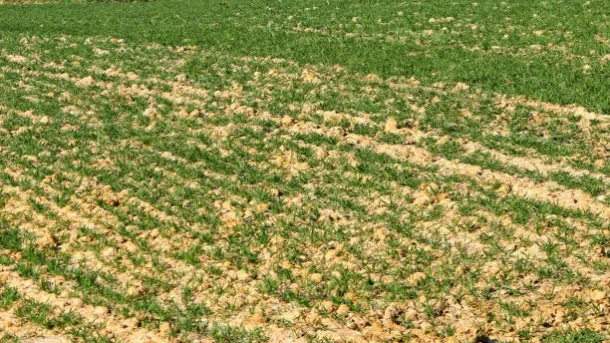
Overemphasis on Particular Nutrients: Chemical fertilizers often supply nutrients in particular ratios based on the nutrient needs of the target crops. However, if farmers only use chemical fertilizers and ignore the nutrient makeup of the soil or the particular requirements of the crop, they risk over-applying some nutrient imbalances while under-applying others. For instance, a nitrogen-heavy imbalance might result from consistently applying nitrogen-based fertilizers without taking phosphorus, potassium, or micronutrient requirements into account.

Inadequate soil testing or incorrect interpretation of the results of a soil test can produce inappropriate fertilizer recommendations. Farmers run the danger of applying an excessive or insufficient amount of nutrients if they exclusively depend on generalized fertilizer recommendations without taking site-specific soil conditions and crop nutrient requirements into account.


Limited Nutrient Availability: The availability of nutrients to plants can be impacted by a variety of circumstances, including high soil pH, low organic matter concentration, and certain soil features. Chemical fertilizers might not be able to adequately overcome these restrictions. For instance, micronutrient deficiencies may occur in soils with high pH levels or specific soil types, and phosphorus availability may decrease in alkaline soils. Nutrient imbalances may arise if chemical fertilizers alone are used under these circumstances rather than soil amendments or tailored micronutrient applications.

Nutrient Interaction: The availability and uptake of nutrients can be affected by interactions between nutrients in the soil and within the plant. Applying too much of one nutrient can interfere with how well other nutrients are absorbed or used, which can result in imbalances.
Do chemical fertilizers have any potential risks or drawbacks?

potential

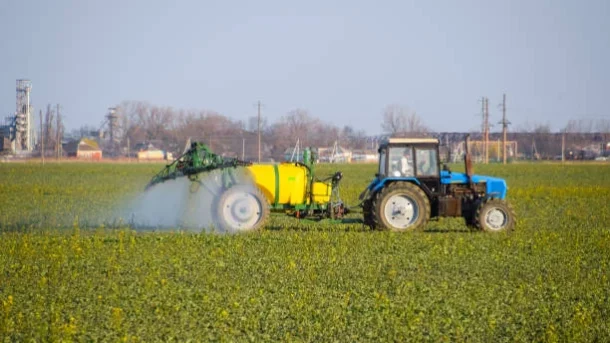
Water contamination can be caused by improper or excessive application of chemical fertilizers, which can cause nutrient runoff and leaching. In water bodies, an excess of nutrients, especially nitrogen and phosphorus, can result in eutrophication, which decreases oxygen levels, promotes algal blooms, and upsets the biological balance. Runoff from fertilizers may potential contaminate groundwater, harming supplies of drinking water.

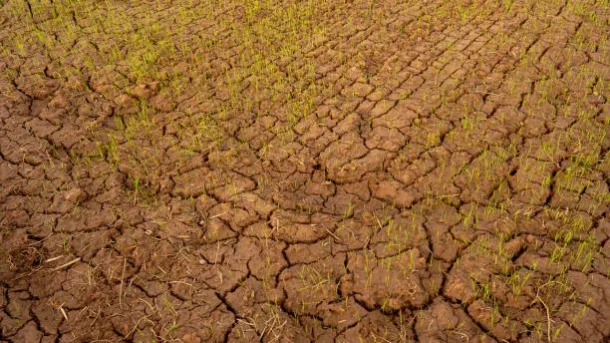
Continuous use of chemical fertilizers without using good soil management techniques might cause soil degradation. Inadequate fertilization can lead to nutrient imbalances, soil acidification, and decreased soil fertility, especially when certain nutrients are used excessively. Chemical fertilizers can deplete soil organic matter levels if organic matter inputs are not present, which can have a negative impact on soil structure, water-holding capacity, and nutrient cycling.

Chemical fertilizers may have an effect on beneficial soil creatures like earthworms, mycorrhizal fungi, and other soil microbes. These organisms are essential for maintaining soil structure, nitrogen cycling, and general soil health. High concentrations of chemical fertilizers, especially synthetic nitrogen, can have a severe impact on the variety and number of these species, upsetting the balance of soil ecosystems.

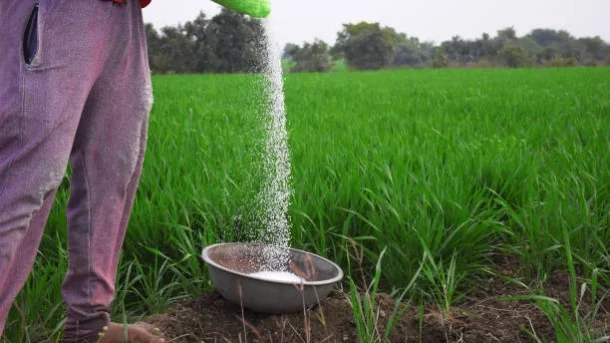
Health and Safety Issues: If improperly used, several chemical fertilizers might be hazardous to one’s health and safety. Because they are caustic or toxic, some fertilizers, including anhydrous ammonia or concentrated liquid fertilizers, can be dangerous to handle. Health problems might result from fertilizer dust inhalation or unprotected contact with concentrated forms. To reduce potential dangers, safe techniques should be used for application, handling, and storage.

Can the excessive use of chemical fertilizers have negative impacts on the environment?

excessive

Water pollution: Excess nutrients can wash off the soil surface and leak into the groundwater or be transferred into neighboring water bodies by runoff when chemical fertilizers are overused or applied at the wrong time. This may result in water pollution, particularly eutrophication, or nutrient enrichment. Aquatic ecosystems are disrupted by eutrophication, which also causes excessive growth of aquatic plants and algae, lowers oxygen levels in water bodies, and causes fish deaths and biodiversity loss.

Use of chemical fertilizers improperly or excessively can damage the health and structure of the soil. High concentrations of some nutrients, like nitrogen, can cause the soil to become acidic, create nutritional imbalances, and diminish soil productivity. A deterioration may result from a continued reliance on chemical fertilizers without organic matter inputs.
Anhydrous ammonia and urea are two types of nitrogen fertilizers that have the potential to volatilize and release ammonia gas into the atmosphere, causing air pollution. Ammonia emissions cause smog and fine particulate matter to form, which is a result of air pollution. Additionally, ammonia can interact with other atmospheric contaminants and cause acid rain. Additionally, agricultural soils may release nitrous oxide (N2O), a strong greenhouse gas, as a result of excessive nitrogen fertilizer, which adds to climate change.

Loss of Biodiversity: Chemical fertilizers used in excess can harm biodiversity. High soil nitrogen levels can encourage the growth of species of competing plants, reducing the diversity of native plant life. Changes in soil pH and nutrient availability can also have an effect on beneficial soil microbes.

How do chemical fertilizers affect soil fertility over time?

over time

Nutrient Imbalances: Excessive and continuous application of chemical fertilizers without taking into account crop needs and soil nutrient levels can cause nutrient imbalances. Nutrient deficiencies or toxicities may develop from an over time on a small number of nutrients, such as potassium, phosphorus, or nitrogen, while disregarding other crucial elements. The entire health of the soil ecosystem as well as soil fertility can be adversely affected by these imbalances.

Chemical fertilizers, especially those devoid of organic matter, have little effect on the decomposition of organic matter in the soil. By enhancing soil structure, water-holding ability, nutrient retention, and microbial activity, organic matter is essential for soil fertility. Over time, a continuous application of chemical fertilizers without adding organic matter to the soil can cause the levels of soil organic matter to drop.
Acidity and pH of the soil: Over time, some chemical fertilizers, such as those based on ammonium, can cause the soil to become more acidic. Without correct pH management, the pH of the soil can be continuously decreased, increasing the acidity of the soil. The availability of nutrients, microbial activity, and general soil health can all be negatively impacted by soil acidification, which will have an effect on soil fertility.

Especially on poorly drained soils or during periods of high rainfall, improper or excessive application of chemical fertilizers can result in nutrient leaching and runoff. When applied nutrients are carried by water outside of the root zone, they are rendered unavailable to plants and may result in environmental pollution. Water contamination, eutrophication of water bodies, and ecological imbalances can all be caused by nutrient runoff. These actions may have an impact on soil fertility.

Are there different types or formulations of chemical fertilizers available?

fertilizers

Straight Fertilizers: These fertilizers only contain one main nutrient and are single-nutrient fertilizers. For instance, straight fertilizers that supply nitrogen are urea and straight fertilizers that supply phosphorus are monoammonium phosphate (MAP) and diammonium phosphate (DAP).

Compound fertilizers are those that combine two or more essential nutrients in a variety of ratios. For instance, complex fertilizers called NPKs deliver nitrogen, phosphorous, and potassium in various ratios. Based on crop needs and soil studies, the precise NPK ratio changes.

Complex Fertilizers: Complex fertilizers are similar to compound fertilizers, but they additionally include secondary and/or micronutrients. These fertilizers offer a wider range of vital components for plant growth. Examples include NPK fertilizers that have been supplemented with micronutrients like iron, zinc, or boron as well as secondary nutrients like calcium, magnesium, or sulfur.

Fertilizers with controlled release: These fertilizers are made to release nutrients gradually over an extended period of time, giving plants a steady supply of nutrients. To control nutrition release, they are frequently coated or encapsulated. Controlled-release fertilizers assist minimize environmental effects, increase nutrient usage effectiveness, and reduce nutrient losses.

How do earthworms improve soil structure and nutrient availability, making them valuable organisms in agriculture?

earthworms

Enhancing soil structure: Because they physically change the soil environment, earthworms are referred to as ecosystem engineers. They make channels and tunnels in the soil as they dig through it, which helps the soil’s structure. In order to improve soil aeration, water infiltration, and root penetration, the burrows provide paths for air, water, and plant roots. Earthworms encourage improved root development and nutrient uptake by plants by loosening compacted soil.

Decomposition of organic matter: Earthworms feed on organic stuff, such as rotting organic waste and dead plant material. The organic stuff is broken down and blended with the soil as it moves through the earthworm digestive system. By speeding up the breakdown and mineralization of organic materials, a process known as vermicomposting, nutrients are released in readily usable forms.


Cycling of nutrients: Earthworms help the soil’s nutrient cycle. Earthworm consume organic material, bacteria, and mineral particles through their feeding activities. These substances are altered and partially broken down when they move through the digestive system of earthworms. Higher nutrient concentrations and better nutrient forms can now be absorbed by plants thanks to the excretions and castings that occur. Earthworm aid in nutrient redistribution, lowering nutrient stratification and enhancing nutrient distribution.

Earthworms play a role in the production of soil aggregates, which are collections of soil particles bound together by microbial and organic materials. The organic matter and mineral particles that earthworms mix together as they migrate through the soil to create stable aggregates. By generating pore spaces for the circulation of air and water, these aggregates strengthen the soil’s structure.

What are some examples of beneficial soil microorganisms and how do they contribute to soil health and nutrient cycling?

soil

The most prevalent type of microorganism in soil is bacteria. Among the helpful bacteria are:
In symbiotic partnerships with leguminous plants, nitrogen-fixing bacteria Rhizobium and Bradyrhizobium transform atmospheric nitrogen into a form that plants may use for growth. This biological nitrogen fixation improves soil fertility while reducing the requirement for manufactured nitrogen fertilizers.

Bacteria that solubilize phosphorus in soil: Some bacteria, including Pseudomonas and Bacillus species, may accomplish this, increasing the availability of phosphorus to plants. They help plants develop and absorb phosphorus more effectively.

Bacteria that promote plant development: Some bacteria, such as the Azospirillum and Bacillus species, can promote plant growth through a variety of methods, such as the creation of chemicals that promote growth, the mobilization of nutrients, and the suppression of disease.

Fungi: Fungi are essential for the breakdown of organic materials and the cycling of nutrients. Fungi that are useful include:
Fungal mycorrhizae: Both ectomycorrhizal (ECM) and arbuscular (AM) mycorrhizal (AM) fungi create symbiotic relationships with plant roots. They increase nutrient and water intake, notably phosphorus, by expanding the root system. Plants provide the fungal glucose in exchange. Mycorrhizal fungi boost plant stress tolerance, increase nutrient availability, and aid in soil aggregation.

Fungi that decompose material: Fungi that decompose material break down complex organic stuff, such as dead plant matter, into simpler components. This procedure improves soil structure and nutrient availability by releasing nutrients back into the soil and encouraging the production of humus.

What are the issues related to land degradation and the depletion of natural resources in agriculture?

land degradation

Natural resource depletion in agriculture and land degradation are serious problems with many interrelated problems.

Erosion of the soil can be caused by unsustainable agricultural practices such heavy tillage, inadequate irrigation, and insufficient soil conservation measures. The topsoil layer, which is essential for nutrient retention, water infiltration, and plant growth, deteriorates due to soil erosion. It lessens agricultural output, decreases soil fertility, and raises the possibility of land degradation.

Loss of Soil Organic Matter: The depletion of soil organic matter can be brought on by ongoing farming, bad land management techniques, and excessive use of synthetic fertilizers. In soil structure, nutrient cycling, moisture retention, and carbon sequestration, soil organic matter is crucial. Due to its loss, soil fertility is decreased, soil structure is weakened, and the susceptibility of land.

Water shortage and Pollution: Water shortage is a result of unsustainable agricultural practices such excessive water consumption, ineffective irrigation systems, and poor water management. Aquifers can be depleted and water availability for agriculture and other industries reduced as a result of excessive water use. Additionally, agricultural runoff that is polluted by pesticides, fertilizers, and sediments can impact aquatic ecosystems and human health by contaminating water sources.

How does the lack of access to information and digital technologies hinder farmers’ adoption of best practices?

The adoption of best practises by farmers can be hampered in a number of ways by a lack of information and digital tools :-

Limited Information: For farmers to stay current on the most recent agricultural practices, techniques, and technology, they must have access to timely and pertinent information. Farmers might not be aware of best practices, such as improved crop types, effective irrigation systems, ways for managing pests and diseases, and methods for managing soil health, if they lack access to information.

Ineffective Decision-Making: Farmers can make well-informed decisions regarding their farming operations thanks to access to information and digital technologies. It aids them in evaluating, among other things, market trends, climatic conditions, input availability, and pricing data. Farmers’ capacity to make decisions is hampered by a lack of such information.

Limited Access to Expertise: Farmers have access to information and digital technologies for technical assistance, guidance from experts, and extension services. They enable farmers to get advice on managing crops, preventing diseases, enhancing soil fertility, and other farming-related issues. Without such access, farmers could struggle to address problems and implement best practises because they lack professional advice.

How does the limited availability of land and competition for resources impact agricultural sustainability?

Agricultural sustainability is significantly impacted by the limited land supply and competition for resources in a number of ways.

Land degradation: Due to the scarcity of arable land, agricultural activity may be expanded into remote or ecologically delicate places. This growth may accelerate land degradation, which includes habitat loss, deforestation, soil erosion, and loss of soil fertility. Agriculture’s long-term sustainability and productivity are threatened by land degradation.

Overuse of resources and intensification of production: Increasing food demand and a lack of available farmland are two factors that frequently result in agricultural output being intensified. Increased use of fertilizers, pesticides, and irrigation are some of the methods used in intensification to maximize yield from scarce land resources. Water pollution, for example, can result from the misuse or excessive usage of natural resources.

Loss of Biodiversity and Ecosystem Services: Due to a lack of available land, natural habitats like wetlands and forests may be turned into agricultural land. This conversion results in the loss of ecosystem services including pollination, pest management, soil nutrient cycling, and climate regulation, as well as biodiversity. A decrease in agricultural output, an increase in the need of synthetic inputs, and a decrease in the ability of agricultural systems to withstand environmental pressures can all result from the loss of these services.

Conflicts between multiple land uses, including agriculture, urbanization, infrastructure development, and conservation, might arise due to the limited amount of available land.