Sustainable agriculture

What is organic farming ?

organic farming

Organic farming is an agricultural technique that relies on environmentally friendly pesticides and biological fertilisers made primarily from animal and plant wastes, as well as nitrogen-fixing cover crops. Modern organic farming was created in reaction to the environmental harm caused by the use of chemical pesticides and synthetic fertilisers in conventional agriculture, and it provides a number of environmental advantages.

Organic farming utilises fewer pesticides, minimises soil erosion, reduces nitrate leaching into groundwater and surface water, and recycles animal waste back into the farm as compared to conventional agriculture. These advantages are offset by increased consumer food costs and generally lower yields. Organic agricultural yields have been found to be roughly 25% lower than conventionally grown crops on average, though this varies greatly depending on the type of crop. The challenge for future organic agriculture will be to maintain its environmental benefits, increase yields, and reduce prices while meeting the challenges of climate change and an increasing world population.
What is sustainable agriculture ?

sustainable agriculture

Sustainable agriculture refers to farming methods that are favorable to the environment and allow for the production of crops or livestock without causing harm to human or natural systems. It involves avoiding negative consequences for soil, water, biodiversity, nearby or downstream resources, as well as individuals working or living on the farm or in the surrounding environment. Permaculture, agroforestry, mixed farming, multiple cropping, and crop rotation are all examples of sustainable agriculture. It includes farming practices that meet society’s current food and textile needs without affecting current or future generations’ ability to meet those needs.  It could be founded on a knowledge of ecological services. There are a variety of approaches that can be used to improve agriculture’s long-term viability. It is critical to build flexible business processes and farming methods while developing agriculture within sustainable food systems.

What is climate-smart agriculture ?

climate-smart

Climate-smart agriculture (CSA) is a method of restructuring and reorienting agricultural production systems and food value chains to promote long-term development and food security in the face of climate change. The climate-smart agriculture method aims to decrease trade-offs and create synergies in order to increase the productivity and sustainability of crop and livestock systems, forests, fisheries, and aquaculture. Climate-smart agriculture is neither a new system nor a collection of methods. It’s a new way of looking at growth paths that can make agriculture more productive and sustainable, as well as better suited to contribute to climate change adaptation and mitigation.

How to improve soil organic matter?

soil organic

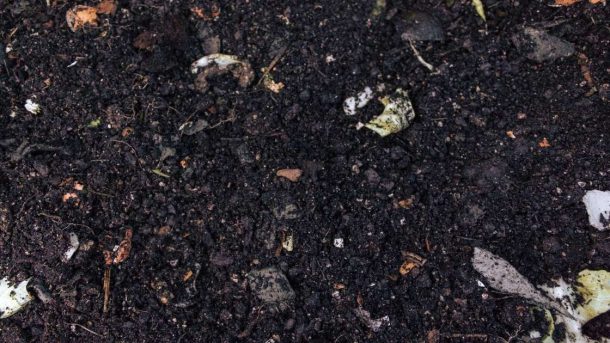
There are various methods to improve soil organic matter . This can be achieved by recycling the crop residue back to field without wasting and burning, by applying compost , by applying various organic manures, by mulching organic wastes, by using green manures and cover crops, by practicing suitable crop rotation, by reducing soil tillage and by avoiding soil erosion.

What is precision farming?

precision farming

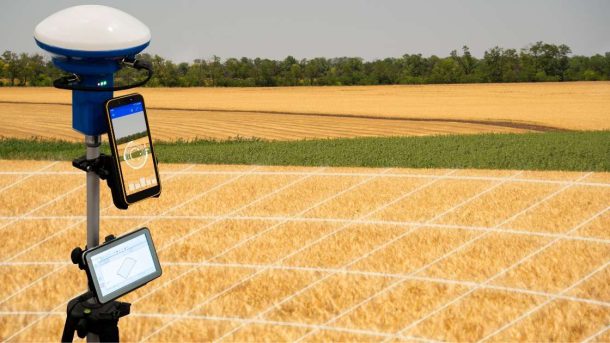
Precision farming can be explained as a technology-enabled approach to farming management that observes, measures, and analyzes the needs of individual fields and crops. The goal of precision agriculture research is to define a DSS (Decision Support System) for whole farm management with the goal of optimizing returns on inputs while preserving resources. Precision farming is a new concept adopted throughout the world to increase production, reduce labor time, and ensure the effective management of fertilizers and irrigation processes.

What is Mulching?

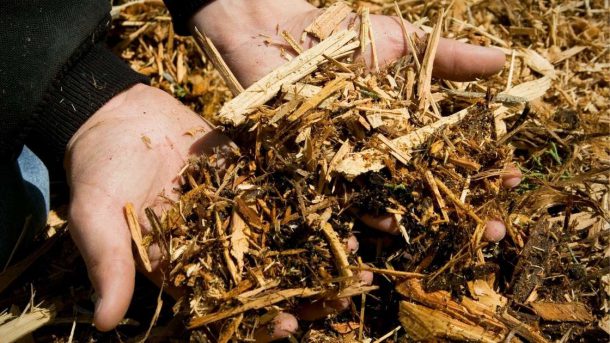
Mulching is the process of covering soil in order to provide favorable condition for growth and development of plants that results in efficient crop production. Natural mulches such as leaf, straw, dead leaves and compost can be used . Synthetic material like plastic can also be used for mulching. Mulching helps to minimize moisture losses and weed population .Mulches minimizes water runoff, improve infiltration capacity of soil, restrain weed population via shading, and perform as obstacle in evapotranspiration. It also helps in temperature regulation of soil and plant roots, minimum nutrient losses, cut down soil erosion and compactness, and improves physical conditions of soil.

What is GAP ?

GAP

Good Agricultural Practice (GAP) is a certification system for agriculture, specifying procedures that must be implemented to create food for consumers or further processing that is safe and wholesome, using sustainable methods. This include practices that address environmental, economic and social sustainability for on-farm processes, and which result in safe and quality food and non-food agricultural products. Chronic overuse and misuse of agricultural pesticides resulted in introduction of GAP. Government planned to reduce use of pesticides by introducing an alternative method of pest management , while at the same time ensuring a steady production of safe and wholesome food .GAP maintains a database that collects , analyze , and disseminate information of good agricultural practices in relevant geographical contexts.