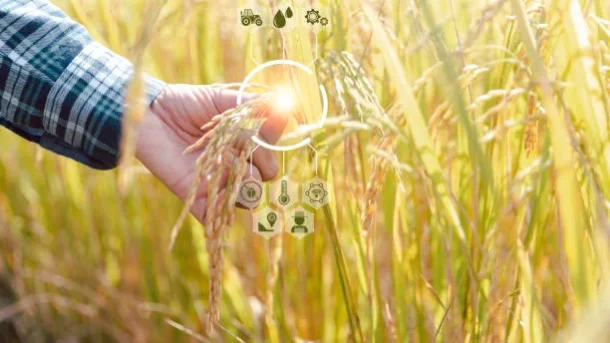
Through the use of data and sophisticated modeling tools, predictive analytics may significantly contribute to the optimization of crop yields. The following are some ways that predictive analytics can help to maximize crop yields:
Predictive models can forecast agricultural yields by examining historical data, weather patterns, soil conditions, and other pertinent variables. With the use of statistical algorithms and other considerations, predictive analytics can reasonably anticipate future yields. Farmers can use this knowledge to better plan their operations, choose wisely how to promote their products, and allocate resources.
Disease and pest prediction: Predictive analytics can be used to estimate the risk of disease or pest outbreaks based on historical data, environmental factors, and disease and pest models. Predictive models keep track of variables like temperature, humidity, precipitation, and insect life cycles.
Water management and irrigation: To optimize irrigation schedule, predictive analytics can examine historical data, weather predictions, crop water requirements, and soil moisture data. Farmers may use irrigation more effectively by forecasting their water needs and taking into account variables like evapotranspiration rates, rainfall, and soil moisture levels. This prevents water waste and boosts the effectiveness of water use by guaranteeing that crops receive the appropriate amount of water at the appropriate time.
Optimizing fertilizer applications involves using predictive analytic to examine information on soil nutrients, crop nutrient needs, and historical yield data. Predictive models can suggest accurate fertilizer formulas and application rates based on soil nutrient levels, nutrient uptake rates, and crop growth phases. This enables farmers to lessen fertilizer waste, lessen their influence on the environment, and guarantee that their crops receive the nutrients they need.