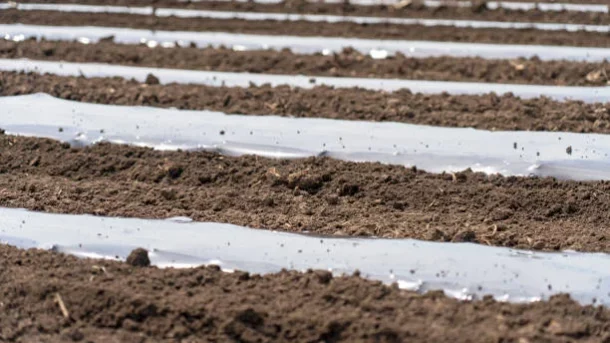
Comparing biodegradable mulch films to conventional plastic mulch films, there are a number of benefits for agricultural use. The following are the main gains of use biodegradable mulch films:
Sustainability in terms of the environment: Biodegradable mulch films are made to decompose naturally over time, preventing the buildup of plastic waste in the environment. Biodegradable mulch films break down into non-toxic, environmentally beneficial components as opposed to traditional plastic mulch films, which can linger in the soil for years. This encourages more environmentally friendly agriculture methods and lessens the harm that plastic pollution causes to the ecosystem.
Fertility and soil health: Biodegradable mulch film encourage the assimilation of organic matter and nutrient cycling, which improve soil health. These films add organic carbon to the soil as they decompose, enhancing soil structure, moisture retention, and nutrient availability.
Biodegradable mulch film reduce the need for manual removal and disposal at the conclusion of the growing season, saving time and money. There is no need for time-consuming and expensive removal procedures because they organically decompose in the soil. This makes managing plastic mulch film less expensive for farmers because it saves time, labor, and disposal costs.
Water management: By lowering evaporation and preventing weed development, biodegradable mulch film help preserve soil moisture. These films assist preserve soil moisture by serving as a barrier between the soil and the atmosphere, which lessens the need for regular irrigation. Crop development is aided by maintaining proper soil moisture levels, particularly in dry or arid areas, and this helps agriculture conserve water.