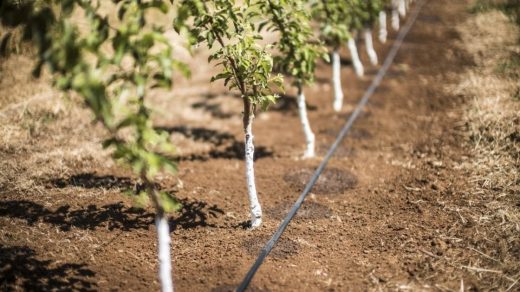
By supplying nutrients to plants through the irrigation system, the process known as fertilization combines irrigation and fertilization. It provides numerous options for enhancing fertilizer delivery, enhancing nutrient uptake and increasing plant yield. To give you an example of how fertigation optimize plant nutrient uptake:
Application with Clarity and Focus: Fertigation makes it possible to apply nutrients with clarity and focus right to the plant’s root zone. Nutrients are supplied evenly and effectively by injecting fertilizers into irrigation water, avoiding nutrient waste and maximizing their availability for plant uptake.
fertigation optimize ensures that nutrients are distributed uniformly across the entire field. Whether it be a drip irrigation system, sprinklers, or center pivots, the irrigation system distributes water and nutrients consistently, preventing changes in nutrient concentrations across the field.
Application of nutrients at the best time possible by synchronizing fertilization with the plant’s developmental stage and nutrient needs. When plants are at crucial growth phases and have the greatest need for nutrients, nutrients can be applied to increase nutrient uptake and utilization. This careful sequencing maximizes the availability of nutrients during critical growth phases, enhancing crop development and production.
Flexibility in Nutrient Composition: Using fertilization, it is possible to modify the concentration and composition of nutrients according to the needs of the crop and the soil. Farmers can alter the fertilizer mix to match particular crop nutrient needs or to correct any shortfalls discovered through soil testing or plant tissue analysis. This adaptability improves nutrient balance and prevents nutrient imbalances, which can harm the health and productivity of plants.