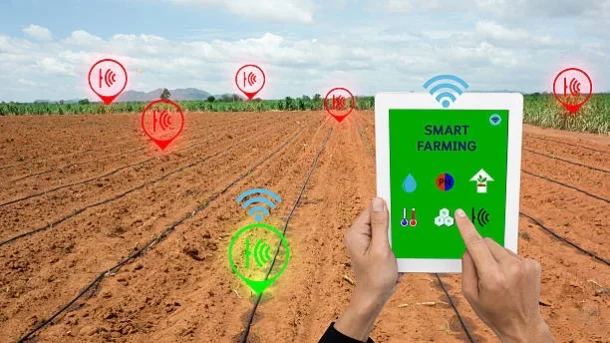
Sensor-based irrigation systems have a number of advantages for streamlining irrigation and maximizing water usage. Some of the main advantages of employing sensor-based irrigation systems are as follows:
Better water management: Sensor-based irrigation system offer real-time information on soil moisture levels, weather, and plant water needs. With the use of this information, accurate water management is made possible, ensuring that plants get the proper amount of water at the appropriate time. Sensor-based irrigation systems maximize water utilization and lower water waste by avoiding over- or under-irrigation.
Water Conservation: By reducing superfluous watering, sensor-based systems contribute to water conservation. Tensiometers or soil moisture sensors monitor the amount of moisture in the root zone and enable watering to only start when the soil moisture falls below a predetermined level. This avoids excessive irrigation and runoff, which would cause substantial
Precision irrigation is made possible by sensor-based system, which feed water to the plant’s root zone based on its real moisture requirements. With this focused application, water is utilised by the plants more effectively and is lost less through evaporation or deep percolation. Precision irrigation improves irrigation consistency and lessens plant water stress.
Energy savings: By integrating sensor-based irrigation systems with automated control systems, watering may be precisely scheduled and run based on sensor readings. With this automation, less manual work is required, and energy utilization is maximized. Sensor-based technologies aid in energy savings in irrigation operations by lowering pumping and energy requirements.