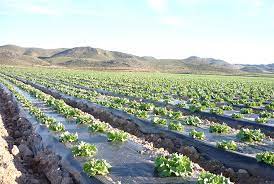
Mulching film is a type of plastic sheeting that is used to cover the soil surface around crops. The main mechanisms of mulching film in crop growth are:
- Soil temperature regulation: Mulching film can help to regulate soil temperature by preventing the sun from directly hitting the soil, which can help to reduce soil evaporation and maintain soil moisture.
- Weed suppression: Mulching film prevents sunlight from reaching the soil, which can inhibit the growth of weeds. This can reduce the need for manual or chemical weed control.
- Soil moisture conservation: Mulching film helps to prevent evaporation of soil moisture and can reduce the amount of water required for irrigation.
- Pest control: Mulching film can help to prevent pests such as snails and slugs from reaching the crops, as well as reduce the impact of soil-borne diseases.
- Enhanced growth: Mulching film can lead to better crop growth by reducing stress due to heat, lack of moisture and competition from weeds, and increasing the availability of nutrients in the soil.
- Reduced erosion: Mulching film can help to reduce soil erosion by preventing water and wind from carrying away topsoil.
It’s important to note that mulching film should be used with caution as it can also have negative effects such as increasing the soil temperature too much, altering the soil microclimate, and not biodegradable, leading to pollution.