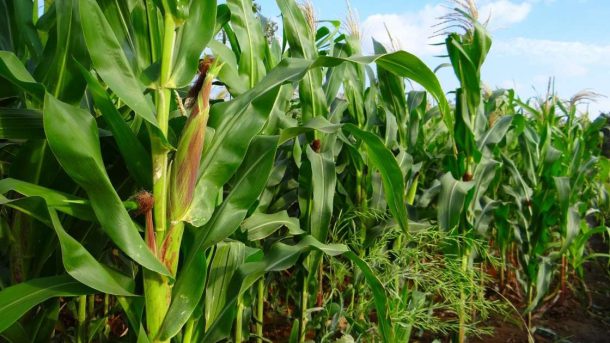
Apply NPK fertilizers as per soil test recommendation as far as possible. If soil test recommendation is not available adopt a blanket recommendation of 135:62.5:50 NPK kg/ha. Apply quarter of the dose of N; full dose of P2O and K2O basally before sowing. In the case of ridge planted crop, open a furrow 6 cm deep on the side of the ridge, at two thirds the distance from the top of the ridge. Apply the fertilizer mixture along the furrows evenly and cover to a depth of 4 cm with soil.
What is aeroponics?
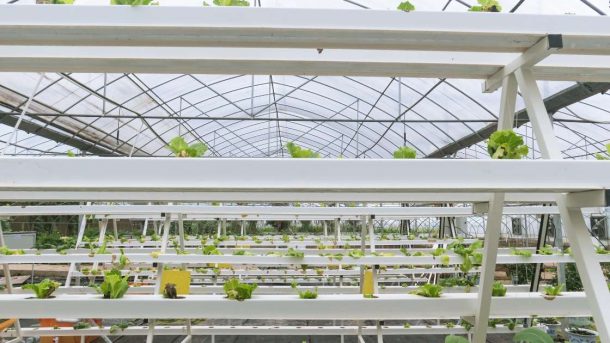
Aeroponics is the process of growing plants within an air or mist environment. It’s one of the six basic types of hydroponic plant-growing method where plants are suspended with the roots exposed in the air. Every few minutes, a nutrient solution is sprayed directly on the roots itself. Aeroponics is considered the most technologically advanced hydroponic method.
What is transplanting?
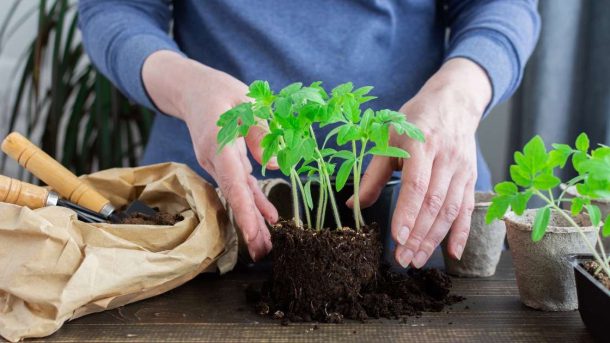
Transplanting is taking a rooted crop and replanting it elsewhere. Transplanting is common practice for transferring baby plants from their optimal sprouting conditions to another location, like outdoors.
Which are the different farming systems?
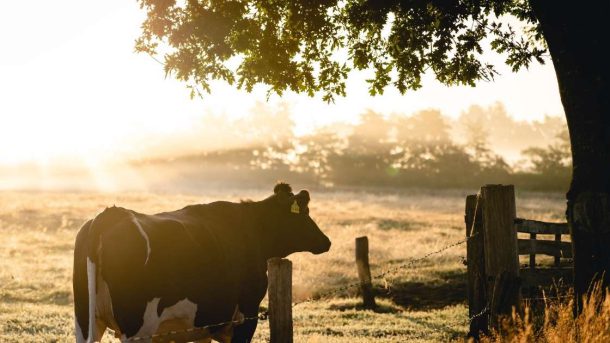
Different type of farming systems include arable farming, mixed farming, subsistence farming, shifting cultivation plantation farming, livestock farming.
What impact does farming have on soil health?
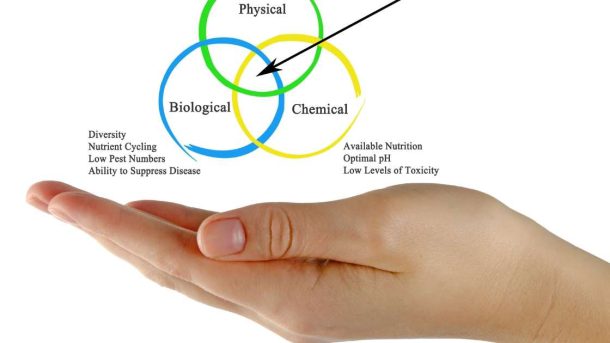
Farmers often add nutrients to the soil to improve crop yields. However, some of these nutrients and fertilizers can affect the micro-organisms in the soil’s ability to produce natural compounds the crops need. While soil loss has improved greatly since the 1980s, farming still leads to loss of soil, due to processes like clearing trees and plowing. The last way farming impacts soil is through overgrazing. When animals eat large amounts of the natural vegetation, soil wash or blow away. Extreme overgrazing can even lead to desertification or expansion of desert conditions.
Which factors affect crop production?
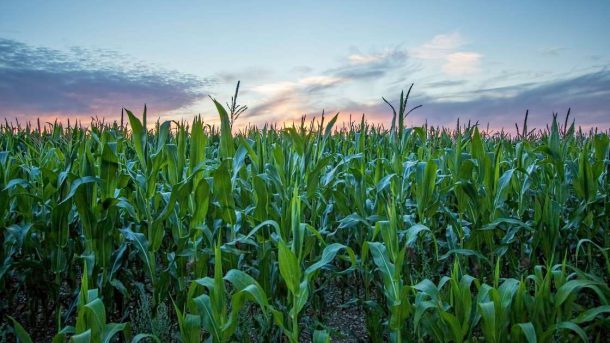
There are four major factors that affect crop production during the farming process. They are nutrients, water availability, climate, pest and diseases.
What is developmental plasticity of plants?
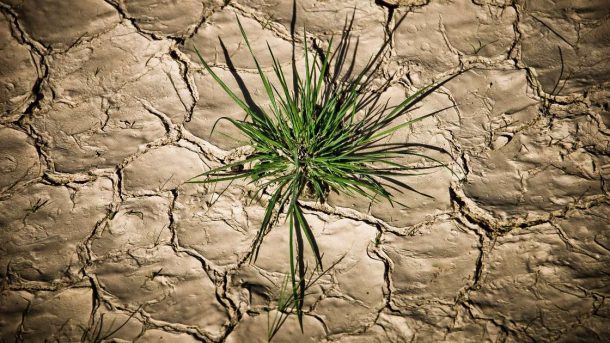
This feature helps the plants to have abundant vegetative growth during rainy season. As a result plants can easily escape drought and grow for a longer period without rain especially desert plants. This is an important survival mechanism in that it enables the large amounts of seed produced in wet years to carry the species through prolonged drought periods.
How to control soil pollution through farming methods ?
Soil pollution can be controlled by reducing the use of pesticides. Cropping techniques should be improved to prevent growth of weeds. Controlled grazing and forest management helps in reducing the pollution. Practice of afforestation and reforestation helps in protecting soil health. Planning of soil binding grasses along banks and slopes prone to rapid erosion.
What are weedicides ?
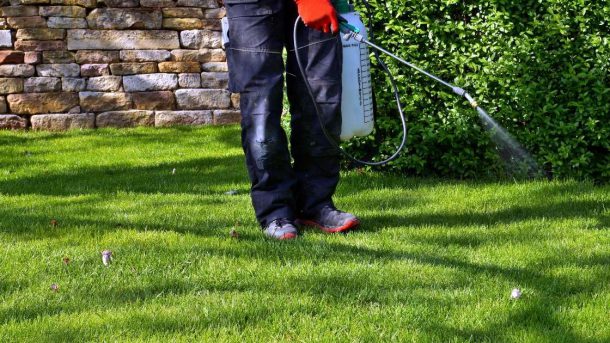
Weedicides are weed-killing chemicals that are sprayed on fields to eliminate weeds. A dicot weedicide is 22, 44-D (22, 44-dichlorophenoxyacetic acid). Weeds are plants that grow between the rows of crops. Weedicides are chemicals that are sprayed across a field to kill weeds. They will have no impact on crop plants.
How to control pests mechanically?
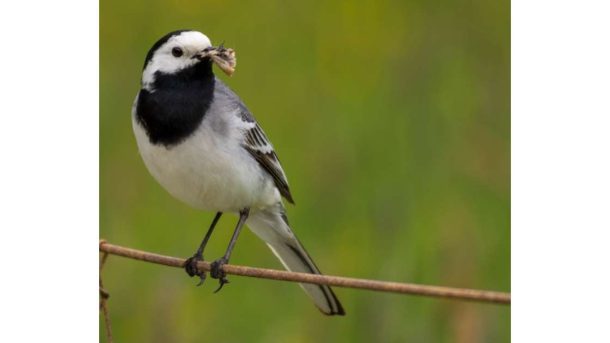
Pest control can be done mechanically by using light traps and destruction of trapped insects. Ropes are used for dislodging leaf feeding larvae e.g. caseworm and leaf folders. Pheromones are used for mating disruption and mass trapping. Removal and destruction of egg masses, larvae, pupae and adults of insect pests and diseased parts of plants wherever possible. Bird perches are installed in the field for birds to sit and feed on insects and their immature stages.