How does the absence of supportive policies and incentives hinder sustainable agriculture and conservation?

conservation

Absence of direction and regulation: Clear rules and regulations that support sustainable agriculture practices and conservation activities are only possible with the support of policies. Farmers and landowners might not have clear guidance on how to implement sustainable practices or effectively conserve natural resources without these policies. This could result in a lack of established methods, confusion, and consistency in the agriculture industry.

Limited financial resources: Subsidies, grants, and tax incentives can all be very effective in motivating farmers and landowners to participate in conservation and sustainable agriculture methods. Financial assistance might reduce the upfront expenditures related to putting new practices into practice, embracing cutting-edge technologies, or switching to more sustainable farming systems. Farmers may be discouraged by the financial load if there are no such incentives.

Lack of technical assistance and information sharing: Supportive policies can make it easier to offer programs that increase capacity, technical assistance, and knowledge sharing platforms. Farmers and landowners must have access to these resources in order to learn about sustainable methods, receive training, and obtain data on new technology, scientific discoveries, and best practices. Without encouraging regulations, the availability of such resources might be constrained, which would make it more difficult to share information and impede the use of conservation and sustainable agriculture practices.

Market constraints and low consumer demand: Supportive policies can also affect market dynamics by fostering conditions that are favorable to sustainable behaviors and products. For instance, regulations that support eco-labeling, certification, or preferential purchasing of sustainable goods can provide farmers a competitive edge on the market and increase consumer demand for such goods.

What are the problems caused by the overuse and mismanagement of water resources in agriculture?

overuse

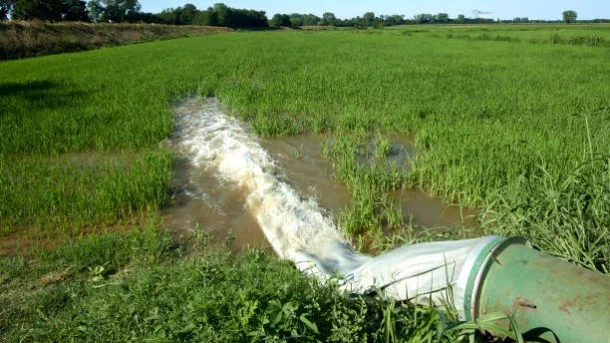
Water scarcity: Agriculture uses a lot of water, and when water supplies are depleted due to overuse in farming, there will be less water available. The depletion of aquifers, reduced river flows, and the drying up of lakes and wetlands can be caused by excessive groundwater pumping, excessive irrigation, and ineffective water management techniques. Water scarcity affects the sustainability of water supplies, poses problems for farmers in irrigated areas, and limits the amount of water available to other industries and ecosystems.

Reduced water quality: Poor agricultural water management techniques, such as overusing pesticides and fertilizers, can cause water pollution. Eutrophication, algal blooms, and water quality degradation can result from sediment, nutrients, and chemical residues carried by runoff from agricultural areas.

Soil salinization: The buildup of salts in the soil decreases its fertility and agricultural output. Over-irrigation and inadequate drainage practices might be contributing factors. In dry and semi-arid areas, when evaporation rates are higher than rainfall and salts are left in the soil, salinization is particularly prevalent. Plant development is restricted by salinization, which also necessitates expensive and labor-intensive procedures to reclaim and rehabilitate impacted soils.

Groundwater depletion: In places with a shortage of surface water supplies, agriculture heavily depends on groundwater for irrigation. Aquifers may be drained by over pumping groundwater for agricultural purposes. Aquifers become dry, the water table falls, and farmers find it challenging to acquire water for irrigation.

How does the lack of access to affordable and inclusive financial services impact farmers’ economic resilience?

financial

Limited capacity for investment: Farmers sometimes need money to invest in their agricultural activities, including buying seeds, fertilizer, equipment, and livestock, as well as investing in irrigation systems and other infrastructure. Farmers might find it difficult to raise the money needed for these investments, though, if they don’t have access to inexpensive credit and banking services. This may limit their capacity to increase output, grow their business, and apply contemporary farming techniques.

Agriculture is intrinsically vulnerable to a number of shocks and risks, including weather-related incidents, market volatility, and pests and diseases. Farmers may find it difficult to build resilience against these hazards if they do not have access to financial services.

Limited capacity for business expansion: Farmers’ ability to build and grow their agricultural companies depends on their access to banking services. Farmers can find it challenging to expand their operations, diversify into higher-value crops or livestock, or make investments in value-added processing and marketing activities without access to finance, savings, or insurance products. Their inability to take advantage of market chances and boost their economic potential may be hampered by their lack of financial resources.

Financial services give farmers the tools and resources they need to efficiently prepare for and manage their finances. Farmers may become more adept at financial planning, manage cash flows, and make wise investment choices by having access to savings accounts, credit options, and financial literacy programs.

What are the issues related to land degradation and deforestation in the agriculture sector?

deforestation

Erosion and deterioration of the soil can be caused by unsustainable agricultural practices such excessive tilling, misuse of chemical fertilizers and pesticides, and improper irrigation management. Erosion depletes the soil’s productivity and nutrient content by removing the top fertile layer. Farmers and food production are faced with difficulties due to degraded soils, which raise input costs and reduce crop yields.

Loss of biodiversity: Habitat destruction and biodiversity loss are caused by agricultural land degradation and deforestation. Plant and animal species, particularly those necessary for pollination, pest management, and ecosystem balance, are lost when natural ecosystems like forests, grasslands, and wetlands are converted into agricultural land. This decline in biodiversity may interfere with ecosystem functions and have adverse effects.

Agriculture is a large user of water resources, contributing to their depletion. Water resource depletion may result from unsustainable agricultural practices like excessive irrigation and poor water management. Aquifers can be depleted, rivers and streams can dry up, and there will be less water available for ecosystems and other industries as a result of excessive water consumption. The yields of crops and agricultural productivity can be directly impacted by water constraint.

Emissions of greenhouse gases: Deforestation, especially when done to make room for more farmland, increases greenhouse gas emissions, which primarily take the form of carbon dioxide (CO2). The destruction of vegetation and trees releases carbon that has been stored there into the atmosphere. Additionally, methane (CH4) and nitrous oxide (N2O) are released through agricultural operations including burning crop leftovers and overusing synthetic fertilizers.

How does the limited availability of agricultural labor and skilled workforce affect farm operations?

farm operations

Farm operations may be hampered by a manpower shortage in the agricultural industry, especially during times of high labor demand like planting, harvesting, and post-harvest activities. Farmers might find it difficult to quickly fill open positions with enough people. Delays in planting or harvesting, decreased effectiveness, and significant production losses can result from this.

Increasing labor prices: When there is a shortage of agricultural workers, demand for labor sometimes outpaces supply, driving up labor expenses. To recruit and keep employees, farmers might need to give greater compensation or other benefits. Profit margins may be squeezed as a result of these higher labor costs, particularly for small-scale farmers who may already be operating on a tight budget.

Dependence on migrant labor: Farmers may extensively rely on migrant labor in areas with a shortage of local workers, which might present new difficulties. When it comes to accommodation, transportation, and compliance with labor laws and regulations, migrant labor frequently necessitates specific measures. Farm operations can be disrupted and farmers who depend on migrant labor may experience uncertainty due to changes in immigration laws or the availability of this workforce.

Lack of skilled workers: For some farming operations, in addition to general agricultural labor, the availability of skilled and specialized workers is also crucial. Professionals like agricultural engineers, agronomists, veterinarians, and equipment technicians are examples of skilled labor. The adoption of cutting-edge technologies, precision farming methods, and effective farm management strategies, which call for specific knowledge and skills, may be constrained by the lack of skilled workers.

What are the challenges faced by farmers in adapting to changing consumer preferences and market demands?

consumer

Understanding consumer preferences: Farmers may find it difficult to stay on top of changing consumer tastes. Based on variables like demography, cultural preferences, health considerations, and sustainability issues, consumer trends and preferences may differ. For farmers to comprehend evolving customer needs and modify their production as necessary, they require access to precise market data and insights.

Crop selection and product diversification: Farmers frequently need to change their crop choices and broaden their product lines in order to adapt to shifting market needs. This transition, meanwhile, can be difficult because of things like restricted availability of new seed kinds, ignorance of substitute crops, and the requirement for additional education and resources to successfully grow new crops.

How does the absence of effective market information and price transparency impact farmers’ profitability?

profitability

Limited ability to negotiate prices: Farmers who don’t have access to up-to-date, reliable market information may find it difficult to get fair prices for their goods. Farmers may be at a disadvantage when negotiating with buyers or intermediaries if they are unaware of current market prices, supply and demand dynamics, and price patterns. They might be more willing to accept cheaper prices or unfavorable business terms, which would limit profitability.

Price volatility and risk: Farmers are more vulnerable to price volatility and market hazards in the lack of accurate price information. Farmers’ income and profitability can be dramatically impacted by fluctuating market prices. Farmers may find it difficult to decide when to sell their products without up-to-date information on price changes, which could result in possible losses if prices decline or the sale is missed.

Lack of market knowledge might result in wasteful judgments on resource allocation and output. Due to a lack of knowledge about market demand and price expectations, farmers may choose unfavorable crops, plant them, and increase production levels. This may lead to problems of overstock or undersupply, which would lower profitability and waste resources.

Limited market diversification: Farmers must recognize and take advantage of market opportunities and must have access to market data and price transparency. Farmers may find it difficult to investigate and enter new markets or to locate niche markets that provide higher prices for their produce without access to credible information. This restricts their capacity to expand their customer base, lessen reliance on a single customer, and increase the value of their products.

What are the problems caused by inadequate access to affordable and reliable agricultural inputs and services?

inputs

Reduced productivity: Farmers’ capacity to maximize crop yields may be constrained by a lack of availability to high-quality seeds, fertilizers, insecticides, and other inputs. Farmers might find it difficult to control pests, illnesses, and nutritional deficiencies without the right tools, which would limit productivity and cause crop losses.

Reduced profitability: Farmers’ profitability may suffer from a lack of inexpensive access to agricultural inputs, which may raise production costs. Increased costs for seeds, fertilizer, and equipment, together with a lack of credit and insurance options, can make farming less profitable, especially for smallholder farmers.

Food insecurity: The availability and production of food can be hampered by inadequate access to agricultural inputs and services. Both rural and urban people may experience food shortages and higher prices as a result of inadequate agricultural yields and worse quality harvests. Food insecurity may be made worse by this circumstance, especially in areas that depend largely on agriculture.

Environmental impact: Farmers may turn to unsustainable practices, such as excessive use of chemical inputs or ineffective irrigation techniques, if they lack consistent access to appropriate inputs and services. These actions may have a negative effect on the environment and long-term agricultural viability by causing soil degradation, water pollution, and biodiversity loss.

How does the lack of market infrastructure and value-added processing hinder farmers’ income opportunities?

lack

Limited market access: Farmers’ access to potential customers and markets may be hampered by a lack of market infrastructure, such as transportation systems, storage facilities, and marketplaces. Farmers may encounter difficulties delivering their produce to far-off markets without adequate infrastructure, which could result in higher transportation costs, post-harvest losses, and less market prospects. Their ability to reach a larger customer base and their opportunity for greater sales and profitability are both hampered by this lack of access.

Price instability and exploitation: Without a strong market infrastructure, farmers may be at risk of price instability and unfair business practices. They might not be well-informed about current market prices, which makes it challenging for them to bargain for reasonable rates for their produce. Middlemen or intermediaries may profit from the circumstance by providing low pricing to.

Limited value addition and processing: Activities that increase the value of agricultural products are known as value addition and processing. However, farmers’ capacity to change unprocessed agricultural commodities into higher-value products may be constrained by the absence of processing facilities and value-added activities close to farming communities. Without these resources, farmers could be forced to sell their goods for less money and forgo the extra value that comes from processing and diversification. Value-added processing can support the growth of the rural economy by generating extra employment possibilities.

For the market to achieve the quality and standard requirements needed by consumers and larger marketplaces, market infrastructure is crucial. Farmers may find it difficult to maintain the quality of their crop without adequate storage facilities and processing capabilities, which could result in product deterioration.

What are the issues related to conflicts over land ownership and natural resource rights in the agricultural sector?

conflicts

Displacement and loss of livelihoods: Local communities, particularly indigenous peoples and small-scale farmers, may be displaced as a result of land conflicts. The loss of traditional knowledge, cultural heritage, and social cohesion results from displacement, which also upends their way of life and means they can no longer support themselves. Communities that have been displaced frequently struggle to find new sources of income, which exacerbates poverty and food insecurity.

Uneven resource distribution: Conflicts over land can result from the unfair allocation of land and other resources. Smallholder farmers and indigenous groups may be marginalized if land is concentrated in the hands of a small number of large, powerful organizations or agribusinesses. Inequalities in agricultural access to resources like water, forests, and grazing grounds accentuate socioeconomic disparities and continue to exist.

Conflicts over ownership of land and resources can result in the unsustainable exploitation of natural resources, which harms the environment and depletes natural resources. Multiple parties claiming ownership of the same land or resources can lead to resource depletion, inappropriate land management, and excessive use. Some of the environmental effects of disputes over land and resource rights include deforestation, soil erosion, water pollution, and biodiversity loss.

Violence and insecurity: Land disputes can deteriorate into hostile environments. Conflicting interests, dynamics of power, and long-standing socio-political conflicts are frequently present in disputes over land ownership and resource rights. In extreme circumstances, this can result in violent land-related disputes, endangering the life and well-being of the parties involved as well as their communities.