To achieve sustainable agricultural intensification, agricultural productivity must be raised while adverse environmental and social effects are reduced. Although the idea has many advantages, there are a number of obstacles that need to be overcome before it can be successfully implemented. Among the principal difficulties are:
Environmental Degradation: Unsustainable intensification techniques include excessive pesticide, water, and monoculture use can result in soil erosion, water pollution, and biodiversity loss.
Climate Change: Sustainable intensification faces considerable obstacles from climate change. Agronomic systems can be disrupted and productivity decreased by erratic weather patterns, extreme weather events like droughts and floods, and rising temperatures.
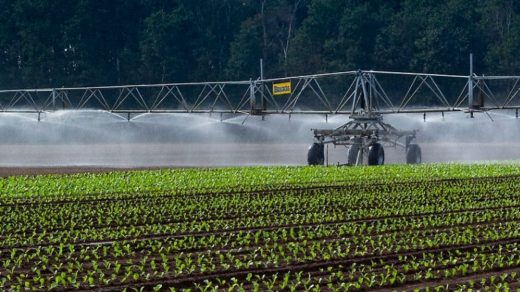
Water scarcity is a major barrier to the expansion of agriculture in many areas. Increased water demands may result in excessive groundwater extraction and resource depletion, which could harm ecosystems and rural populations.
Ecosystem services that are crucial for agriculture, such as pollination and pest control, may be reduced as a result of intensification methods that threaten natural ecosystems.
Social and Equity Issues: Smallholder farmers may not receive an equitable share of the advantages of intensifications, which could result in social inequities and marginalization.
Market Access and Prices: As production rises as a result of intensification, farmers may experience price swings and difficulties accessing the market.