Global food security is significantly impacted by climate change, which has an impact on many areas of food production, distribution, and access. The following are some significant effects of climate change on world global food security:
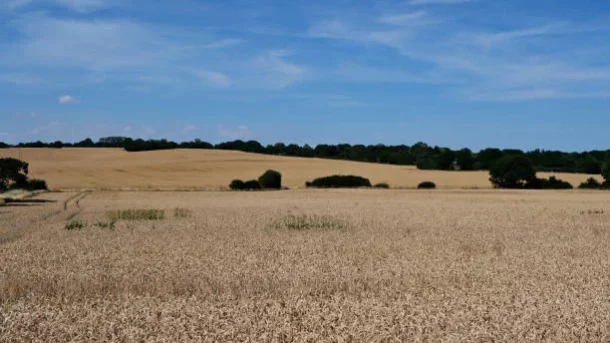
Crop production and variations in yield: Crop productivity is directly impacted by rising temperatures, shifting precipitation patterns, and a rise in the frequency of extreme weather events like droughts, floods, and heatwaves. Climate changes have the potential to shorten growing seasons, lower crop yields, and increase output variability. These yield variations might threaten the stability and availability of food, especially in areas that depend significantly on agriculture.
Changed dynamics of pests and diseases: Pests and diseases that harm crops and livestock can vary in their distribution, behavior, and frequency as a result of climate change.
Obstacles to irrigation and water availability: Climate change-related changes in precipitation patterns and growing water scarcity may make it more difficult to irrigate agricultural land. Crop growth can be hampered by a lack of water, especially in regions that largely rely on irrigation. This may lead to lower agricultural yields, more competition for available water supplies, and more difficulties for farmers trying to sustain irrigation for food production.
Vulnerability of livestock and fishing: Livestock and fishing, which are essential sources of protein and nourishment, are impacted by climate change. Animal health, reproduction, and productivity may be impacted by rising temperatures, heat stress, and modifications in water availability. The livelihoods of coastal communities that depend on fishing can be threatened by changes in fish populations brought on by changes in ocean temperatures and acidity.