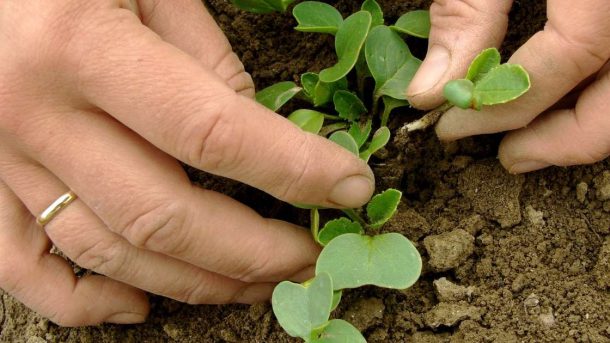
Removal of excess plants after germination from the crop field or seed bed is called thinning. Excess plants in a crop field reduce crop yield due to intra crop competition. As a result there occurs shortage of space, nutrients, light, air and moisture for individual crop plant which ultimately reduce yield. So, if required, excess seedlings are removed leaving the strongest ones.
Scientific Farming
What are plant growth hormones ?
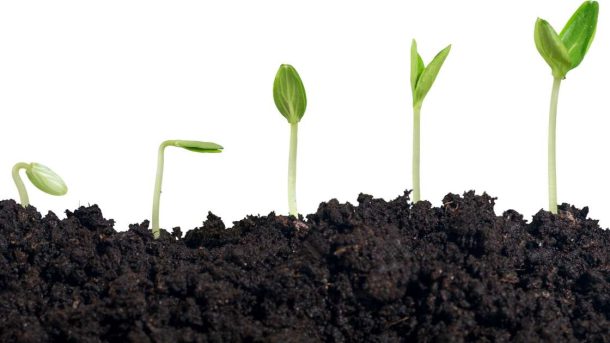
Plant hormones are crucial biochemicals that influence plant development and crop production under a variety of situations, including stress. Auxin, abscisic acid, ethylene, gibberellins, cytokinins, salicylic acid, strigolactones, brassinosteroids, and nitrous (nitric) oxide are examples of plant hormones. Plant hormones play an important role in plant development, starting with seed germination and ending with whole-plant senescence. They helps in flowering , aging , root growth , prevention or promotion of stem elongation ,fruit colour enhancement etc.
What is Kisan Credit Scheme (KCC) ?

Kisan Credit Card Scheme (KCC) aims at providing adequate and timely support from the banking system to the farmers for their short-term credit needs for cultivation of crops. This mainly helps farmers for purchase of inputs during the cropping season. Credit card scheme proposed to introduce flexibility to the system and improve cost efficiency.
What is KVK ( Krishi Vigyan Kendra )?
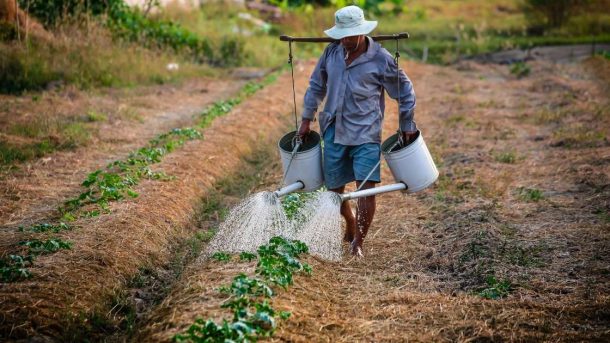
KVK is a district-based scientific organisation dedicated to the development, refining, and distribution of technology. KVK is made up of trained multidisciplinary professionals who focus on agricultural issues that are significant to the local community. Front-line demonstrations, exposure visits, and other activities are organised by KVKs. Training programmes, demonstrations, field days, and other events are all available. Farmers should be given agricultural literature. Some KVKs do provide input assistance to farmers.
What are the symptoms of citrus decline ?
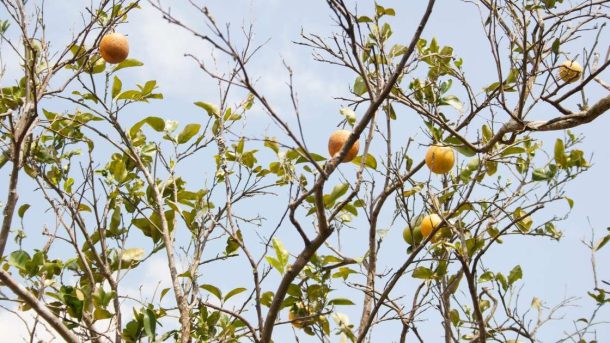
The affected trees do not always die completely, but remain in a state for decandance and unproductive for a number of years. Some-times they may suddenly wilt and die in a day or two. In early stages, symptoms are restricted to a few limbs, but eventually the whole tree is involved. Trees show sparse mottling leaves, stunted growth, sickly appearance.
Midrib and lateral veins of old, mature leaves turn yellow with interveinal areas along the veins showing diffuse yellowing. Leaves may turn yellow and are shed with the onset of summer or autumn and the die-back of twigs starts. Dead shoots stand out prominently and may be found dead right down to the main trunk. The entire tree bears short
twigs carrying narrow small leaves on their lower portion.
What are the symptoms of verticillium wilt in cotton ?
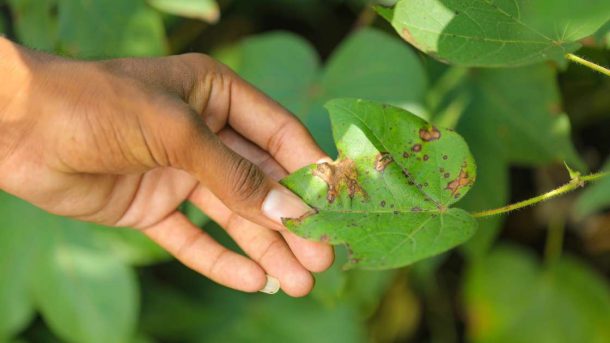
Seedlings infected with verticillium wilt becomes infected and turn yellow, dry out and die. Plants that become infected later in the season are stunted and exhibit a yellow condition along leaf margins and between the major vein.
Severely affected plants will shed their leaves. A brown discoloration of the interior of the stem can usually be found later in the season. This discoloration is distributed evenly across the inside of the stem.
What is the role of boron in plants?
Adequate boron is a crucial factor in high crop yields and quality. Boron is a micronutrient that promotes sugar transport, formation of cell wall, production of amino acids, crop reproduction, flowering, fruiting and crop quality.
What are micronutrients?
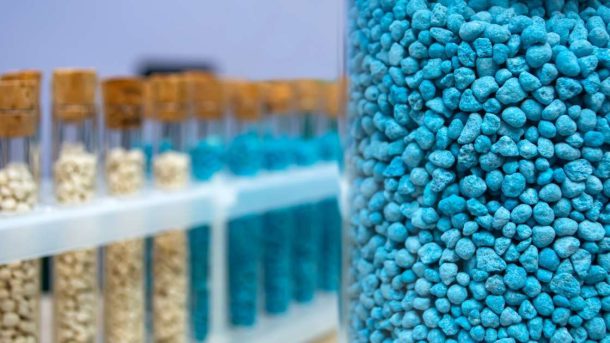
Micronutrients are critical nutrients for crop growth that are only required in trace amounts. Despite the fact that micronutrient demands are minimal, these nutrients have a direct impact on crop growth and development. Excessive levels of micronutrients are extremely rare because farmers focus primarily on macronutrient application. Crop growth and quality, on the other hand, will be harmed if there is a deficiency. Micronutrients include elements such as Boron (B), Chlorine (Cl), Copper (Cu), Iron (Fe), Manganese (Mn), Molybdenum (Mo), Nickel (Ni), Zinc (Zn).
What are Plant Growth Promoting Bacterias (PGPB)?
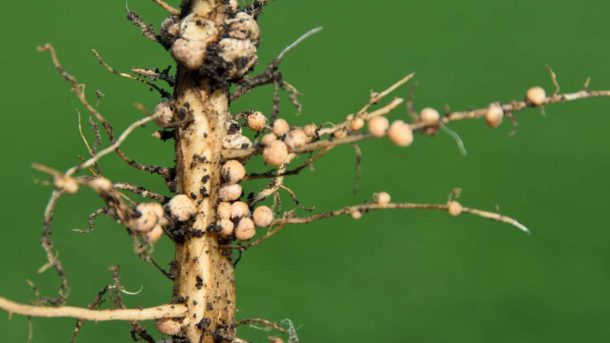
Plant growth promoting bacteria (PGPB) are bacteria that can enhance plant growth and protect plants from disease and abiotic stresses through a wide variety of mechanisms. Plant growth promotion (PGP) qualities include biological nitrogen fixation, phosphate solubilization, ACC deaminase activity, and siderophores and phytohormone synthesis. If bacterial inoculants are effective, they can help boost agronomic efficiency by lowering production costs and reducing pollution, especially if chemical fertilisers are decreased or eliminated.
What is sericulture?
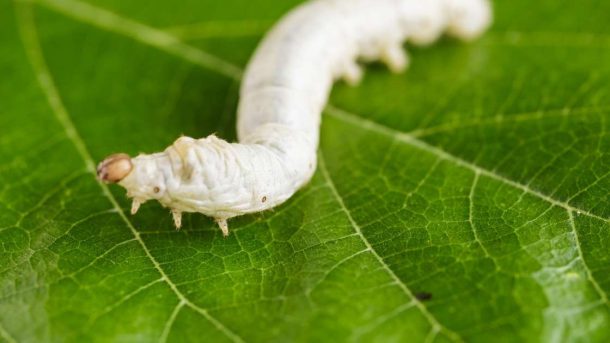
Sericulture is a two-step process that begins with the cultivation of mulberry trees and ends with the raising of silkworms on mulberry leaves to generate cocoons. Bombyx mori, also known as the silkworm, is a sericulture insect that is one of the most economically important in the world. Silkworms are monophagous insects, feeding only on mulberry leaves. Mulberry seedling production is followed by mulberry tree training, care, harvesting, and insect pest management. Preserving silkworm eggs, managing rearing rooms, handling rearing equipment, preventing silkworm diseases, supplying mulberry leaves, and collecting mature larvae to transfer to the cocooning frame are all part of silkworm rearing.