ScientificFarmingWeb

How to prepare the soil for tomato crops?

the soil

Preparing soil for planting tomato crops typically involves several steps:

  1. Test soil: Have the soil tested for pH, fertility, and other factors to determine if any adjustments need to be made. Tomato plants thrive in slightly acidic soil with a pH between 6.0 and 6.8.
  2. Clear the field: Remove any debris or weeds from the field, as these can compete with the tomato plants for nutrients and water.
  3. Till the soil: Use a tiller or cultivator to turn over and break up any clumps. This will also help to bury any leftover debris or weeds.
  4. Apply organic matter: Incorporate organic matter such as well-decomposed farm yard manure, compost or vermicompost to improve soil fertility, structure and water-holding capacity.
  5. Apply fertilizer: Apply fertilizer according to the test results and the specific needs of the tomato crop. Tomatoes need a balanced amount of nitrogen, phosphorus, and potassium for optimal growth.
  6. Irrigation: Tomato plants need a consistent supply of water, but too much water can lead to disease, so proper drainage is important.

It’s also important to note that the timing of these steps can vary depending on the region and climate. In some areas, it may be necessary to perform these steps several weeks or months before planting, while in others they can be done just before planting.

How to prepare the soil for wheat crops in India?

wheat

Preparing soil for planting wheat in India typically involves several steps:

  1. Test soil: Have the soil tested for pH, fertility, and other factors to determine if any adjustments need to be made.
  2. Clear the field: Remove any debris or weeds from the field, as these can compete with the wheat for nutrients and water.
  3. Plough and harrow: Use a plough or cultivator to turn over the soil and break up any clumps. This will also help to bury any leftover debris or weeds.
  4. Apply organic matter: Incorporate organic matter such as well-decomposed farm yard manure, compost or vermicompost to improve soil fertility, structure and water-holding capacity.
  5. Apply fertilizer: Apply fertilizer according to the soil test results and the specific needs of the wheat crop.
  6. Irrigation: Wheat needs to be planted in well-drained soil. Irrigation should be done in such a way that the soil is moist but not waterlogged.

It’s also important to note that the timing of these steps can vary depending on the region and climate. In some areas, it may be necessary to perform these steps several weeks or months before planting, while in others they can be done just before planting.
which are the Best crops for winter season to plant in india?

winter

Some popular winter crops in India include mustard, radish, carrot, turnip, cauliflower, broccoli, cabbage, and spinach. These crops are well-suited for the cooler temperatures and shorter days of winter, and can be planted in most regions of the country during this time. Additionally, some regions of India have specific winter crops that are well-suited to the local climate and soil conditions, such as rabi crops in the northern and western regions.

What are the advanced technologies in organic farming?

brown manure crops

There are several advanced technologies that are being used in organic farming to improve crop yields, reduce labor costs, and minimize environmental impact. Some of these technologies include:

  1. Precision agriculture: This technology uses sensors, GPS, and other technologies to collect data on soil conditions, weather, and crop growth. This data can then be used to optimize planting, fertilization, and pest management strategies.
  2. Biological pest control: This technology uses natural predators, parasites, and pathogens to control pest populations. This can include the use of beneficial insects, such as ladybugs and lacewings, or the use of microorganisms such as Bacillus thuringiensis (Bt) as a biological insecticide.
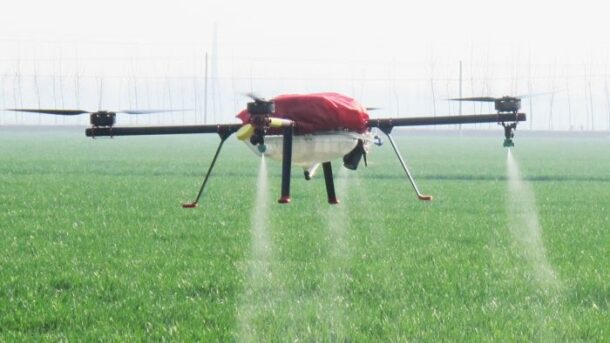
  3. Drones and robots: Drones can be used for tasks such as crop monitoring, precision spraying, and crop mapping. Robots can be used for tasks such as planting, weeding, and harvesting, which can significantly reduce labor costs.
  4. Climate-controlled greenhouses: This technology allows farmers to control temperature, humidity, and other environmental factors to optimize crop growth. This can be especially useful for growing crops in areas with harsh climates or short growing seasons.
  5. Biotechnology: Biotechnology can be used to create genetically modified crops that are resistant to pests and diseases, or that require less water and fertilizer.

It’s important to note that the use of these advanced technologies in organic farming must be done in compliance with the regulations and guidelines of the organic certification body, and in a way that does not compromise the principles of organic farming.

How to make FYM Farmyad Mannure for best result?

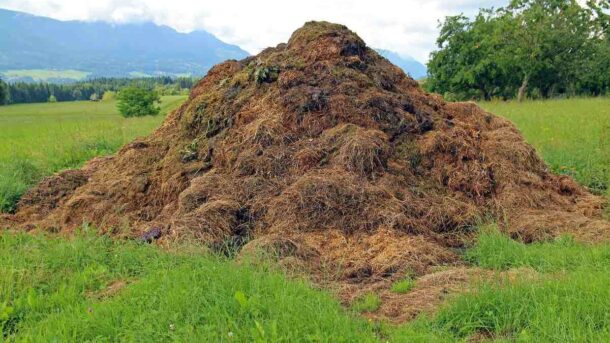
Farmyad Mannure

Farmyad Mannure (FYM) is a type of organic fertilizer that is made by composting a mixture of animal waste and bedding material, such as straw or sawdust. FYM is an excellent source of nutrients for plants and can improve soil structure and fertility. Here are some steps to make FYM for best result:

  1. Collect and mix together the materials for the compost pile. This can include animal manure, bedding material, and any other organic materials that are available, such as kitchen scraps or yard waste.
  2. Create a pile or bin that is at least 3 feet wide and 3 feet tall. The pile should be kept moist but not waterlogged, so it’s essential to check the moisture content of the pile regularly.
  3. Turn the pile regularly, at least once a week, to aerate it and ensure that all the materials are well mixed. This will help to speed up the decomposition process.
  4. Maintain the appropriate temperature range for the decomposition of organic matter, which is between 130°F to 150°F.
  5. After 4-6 weeks, the materials should be fully decomposed and ready to use as Farmyad Mannure (FYM). It’s important to let the compost sit for a couple of weeks before using it so that it can cool down.
  6. Store the FYM in a dry place, protected from the rain, until you are ready to use it. FYM can be applied to the soil as a top dressing or incorporated into the soil before planting.

It’s important to note that some materials like human waste, meat, dairy, and pet waste should be avoided when making FYM as they can contain pathogens and parasites that can be harmful to human and animals.

How pheromone traps works in agriculture?

pheromone traps

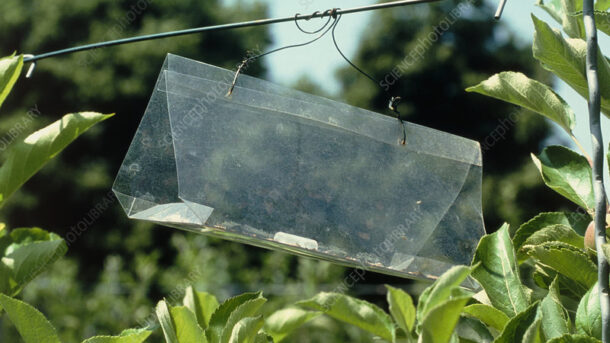
Pheromone traps are a type of trap used in agriculture to monitor and control pest populations. These traps use a synthetic version of a specific pheromone, which is a chemical substance that insects use to communicate with each other. The pheromone used in the trap mimics the natural pheromone of the target pest, attracting the males of the species to the trap.

The traps typically consist of a sticky surface or a container with a liquid attractant. Once the males are attracted to the trap, they become trapped on the sticky surface or in the liquid, preventing them from mating with females and reproducing. The traps can be used to monitor pest populations, as the number of trapped insects can indicate the severity of an infestation.

Pheromone traps are most commonly used for monitoring and controlling moths and beetles, including pests such as the codling moth, the diamondback moth, and the gypsy moth. They can be used alone or in conjunction with other pest control methods, such as chemical insecticides or biological control, to reduce pest populations and minimize crop damage.

It is important to keep in mind that pheromone traps are not a standalone solution and may need to be paired with other control methods to effectively manage pests.

What is the treatment of pink larvae in cotton crops?

cotton

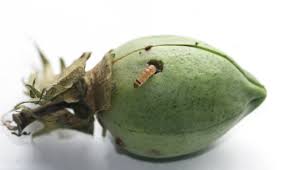
Pink bollworm (Pectinophora gossypiella) is a major pest of cotton crops that can cause significant damage to both the bolls and the leaves of the plant. The pink larva is the immature stage of the pink bollworm and is responsible for most of the damage to the crop.

The primary method of controlling pink bollworm is through the use of chemical insecticides. However, integrated pest management (IPM) strategies that combine multiple control methods, such as biological control, cultural control, and genetic control, can be more effective and sustainable than relying solely on chemical insecticides.

Biological control involves the use of natural predators, parasites, or pathogens to control pink bollworm populations. For example, the use of the Trichogramma wasp, a small parasitic wasp, can be effective in controlling pink bollworm populations. Cultural control involves practices such as crop rotation, early planting, and timely harvesting to reduce the susceptibility of the crop to pink bollworm infestations. Genetic control is another approach where the cotton plant is genetically modified to make it resistant to the pest.

It is important to consult with a professional and follow the instructions on the pesticide label before applying any chemical treatment, also it’s necessary to keep in mind that a combination of these methods is most effective in controlling pink bollworm populations.

What is the Cost of drone pesticide spray across different countries?

different countries

The cost of drone pesticide spraying can vary significantly across different countries, depending on factors such as the cost of labor, the cost of the equipment, and local regulations. In developed countries like the United States, the cost of drone pesticide spraying can range from $10 to $15 per acre, depending on the location and the type of crop. In developing countries, the cost may be lower due to lower labor costs. For example, in India, the cost of drone pesticide spraying ranges from $3 to $5 per acre. In Africa, the cost can be even lower, with some estimates ranging from $1 to $3 per acre. However, these costs may vary depending on the specific location, crop, and company providing the service. It is also important to note that these cost estimates may not include the cost of the pesticides themselves.

What is the Best Method to spray Pesticides on crops?

Best Method

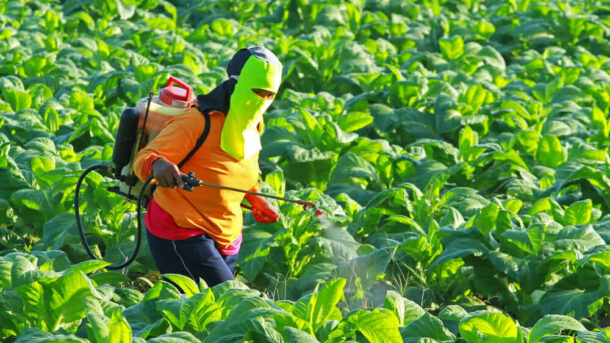
The best method to spray pesticides on crops depends on a number of factors, including the type of crop, the type of pesticide, and the size of the area to be treated. Some common methods include ground spraying, aerial spraying, and drip irrigation. Ground spraying involves applying the pesticide using a backpack or handheld sprayer, while aerial spraying uses an aircraft to apply the pesticide. Drip irrigation involves applying the pesticide through the irrigation system, which can be more precise and reduce waste. It is important to follow the instructions on the pesticide label and to consult with a professional to determine the most appropriate method for your specific situation.

Why do we castrate animals?

castrate animals

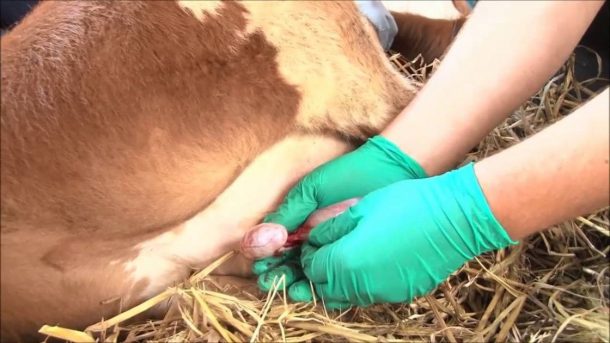
Traditionally farmers or animal raisers do not castrate animals and both males and females are allowed to mix together. The result is that poor males are allowed to mate with the females and the young stock produced are not very good. Uncastrated males also fight so it is better to castrate the animals which are not the best for breeding.