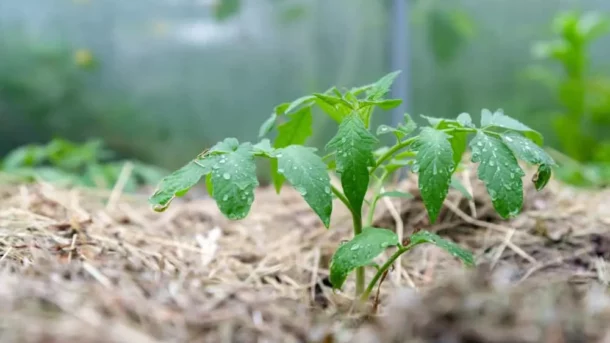
Green mulching in agriculture refers to the practice of using green, living plant material as a mulch. This can include grass clippings, leaves, or other vegetation. The green mulch is applied to the surface of the soil to retain moisture, control weeds, and add organic matter to the soil as it decomposes. It is also known as “green manure” and it’s often used in organic farming as a way to improve soil health and fertility.
ScientificFarmingWeb
Which crops needs alkaline soil?
There are several crops that prefer or can tolerate alkaline soil, which have a pH level above 7.0. Some examples include:
- Asparagus: Asparagus prefers soils with a pH between 6.5-7.5 and can tolerate soils up to pH 8.0.
- Broccoli: Broccoli prefers soils with a pH of 6.5-7.5.
- Cauliflower: Cauliflower prefers soils with a pH of 6.5-7.5
- Cabbage: Cabbage prefers soils with a pH of 6.5-7.5
- Melons: Melons prefer soils with a pH of 6.5-7.5
- Peanuts: Peanuts prefer soils with a pH of 6.5-7.5
- Sweet potatoes: Sweet potatoes prefer soils with a pH of 6.5-7.5
- Watermelon: Watermelon prefer soils with a pH of 6.5-7.5
It’s important to note that while these crops prefer or can tolerate alkaline soil, they still require proper care and management to grow and produce well. Additionally, these are general preferences, specific varieties of these crops may have different pH requirements and can adapt to different conditions.
How pH of soil affect tomato crop yield?

The pH of soil can affect tomato crop yield in several ways:
- Nutrient availability: Tomato plants require certain nutrients to grow and produce fruit, such as nitrogen, phosphorus, and potassium. These nutrients are more readily available in soils with a neutral pH of around 6.5-7.0. Soils with a pH outside of this range can limit the availability of these nutrients, reducing crop yield.
- Microorganism activity: Soil pH also affects the activity of microorganisms in the soil. These microorganisms play an important role in breaking down organic matter and releasing nutrients for plant uptake.
- Alkaline soil: Soils with a pH above 7.0 are considered alkaline, and can lead to nutrient deficiencies, particularly of iron, which is essential for tomato growth. This can cause the yellowing of leaves, stunted growth and reduced yield.
- Acidic soil: Soils with a pH below 6.5 are considered acidic, and can lead to reduced nutrient availability, particularly of calcium, which is essential for tomato growth. This can cause blossom-end rot, a disorder that results in the fruit developing a dark, leathery patch on the bottom.
- Pest and disease: Soil pH can also affect the susceptibility of tomato plants to pests and diseases. Some pathogens and pests thrive in acidic or alkaline soils, so it’s important to maintain the proper pH range to minimize their populations.
It is important to note that tomato plants can adapt to a range of pH levels, but the optimal pH for tomatoes is around 6.5-7.0, this will ensure the best yield and fruit quality. Additionally, soil pH can be easily adjusted by adding lime to raise the pH or sulfur to lower the pH.
How to prepare soil for cucumber farming?

Preparing the soil for cucumber farming involves several steps:
- Soil testing: Conducting a soil test can help determine the pH level and nutrient content of the soil, which will inform what soil amendments may be necessary. Cucumbers prefer a slightly acidic soil with pH between 5.5 and 6.8.
- Soil amendment: Add organic matter such as compost or well-rotted manure to the soil to improve its structure and fertility. This will also help to improve water retention and drainage.
- Fertilization: Based on the soil test results, add the necessary nutrients and fertilizers to the soil. Cucumbers are heavy feeders, they require a lot of nitrogen and potassium.
- Drainage: Make sure the soil is well-drained and that there is no standing water in the field. Cucumbers are sensitive to waterlogging and can be easily damaged by excess water.
- Irrigation: Irrigation is important in cucumber farming. Cucumber plants need to be kept consistently moist, but not waterlogged. Drip irrigation is the best method for cucumber farming.
- Bed formation: Form raised beds of around 1-2 feet high and 3-4 feet wide. This will help with drainage and make it easier to control the weeds.
- Cover cropping: Consider planting a cover crop before planting cucumbers. Cover crops like rye or buckwheat can help to improve soil health and suppress weeds.
- Pest and disease management: Before planting, it is important to ensure that the soil is free of pests and disease. Use appropriate pest control methods and fumigate the soil if necessary.
It is important to remember that the specific needs of the soil can vary depending on the location, weather, and other environmental factors.
Which crops need manual pollination?
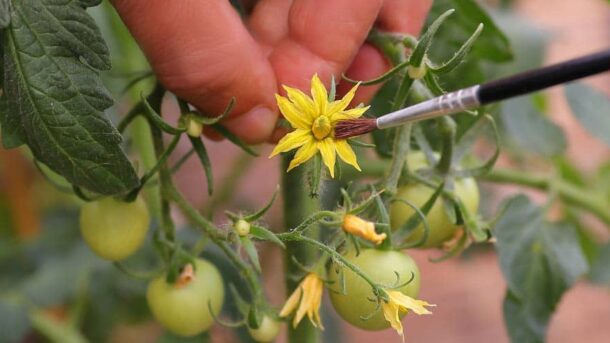
Some crops that typically require manual pollination include:
- Cucumbers: Cucumber plants are typically monoecious, meaning they have separate male and female flowers on the same plant. These flowers need to be pollinated by hand to ensure good fruit set.
- Squash: Squash plants are also monoecious and need to be hand-pollinated to ensure good fruit set.
- Melons: Melons, like cucumbers and squash, are monoecious and need to be hand-pollinated to ensure good fruit set.
- Pineapple: Pineapple plants are also monoecious, and the flowers need to be pollinated manually.
- Blueberries: Blueberries are self-sterile, which means that they do not produce fruit without cross-pollination. This can be done by hand or by using a small brush to transfer pollen from one flower to another.
- Kiwi: Kiwi plants are dioecious, which means they have separate male and female plants. The female plants need to be pollinated by the male plants, this can be done by hand pollination.
- Passionfruit: Passionfruit plants are also dioecious, which means they have separate male and female plants. The female plants need to be pollinated by the male plants, this can be done by hand pollination.
- Papaya: Papaya plants are also monoecious and need to be hand-pollinated to ensure good fruit set.
Keep in mind that the need for manual pollination can vary depending on the variety of the crop, the climate and the practices of the grower.
How to increase mango fruit yield?
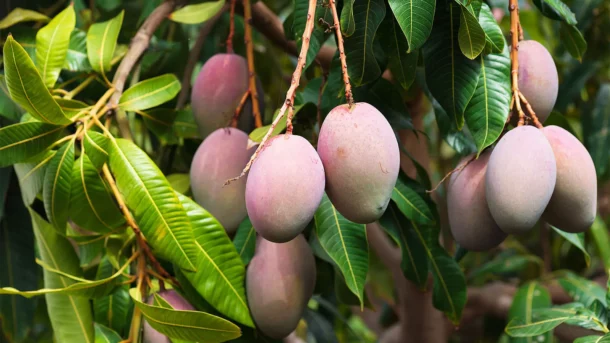
There are several ways to increase mango fruit yield:
- Proper orchard management: This includes pruning and training the trees to promote good branching and an open canopy for better sunlight penetration.
- Fertilization: Applying the appropriate amount and type of fertilizer can help to promote healthy tree growth and fruit production.
- Pollination: Ensuring that there are enough bees or other pollinators in the area to pollinate the flowers can increase the number of fruits that are produced.
- Pest and disease control: Regularly monitoring for and controlling pests and diseases can help to keep the trees healthy and productive.
- Water management: Mango trees need a consistent water supply. Irrigation and mulching can help maintain moisture in soil, which will help increase the yield of fruit.
- Grafting: Grafting can increase the yield by introducing a high-yielding variety of mango on a rootstock of low yielding variety.
- Inter-cropping: Intercropping with other crops can increase the yield by improving the soil health and providing a suitable microclimate for the mango trees.
It is also important to note that the yield of a mango fruit tree is also affected by the weather and other environmental factors.
how to do Saffron farming in an Air-conditioner setup?

Saffron is a delicate crop that requires specific Saffron farming for growing conditions, including cool temperatures and well-drained soil. It is typically grown in regions with Mediterranean climates, such as Spain, Italy, and Iran.
Growing saffron in an air-conditioned setup would involve controlling the temperature, humidity, light and other environmental factors inside a controlled environment, such as a greenhouse or indoor facility. Here are the general steps for saffron farming in an air-conditioned setup:
- Preparing the soil: Make sure that the soil is well-drained and has a pH between 6 and 7.5. Incorporate organic matter such as well-decomposed farm yard manure, compost, or vermi-compost to improve soil fertility.
- Planting saffron bulbs: Saffron bulbs should be planted in late summer or early fall, at a depth of around 6 inches. The bulbs should be planted with the pointed end facing up.
- Temperature and humidity control: Maintain a temperature range between 50-60°F and a humidity range between 60-70% inside the air-conditioned setup.
- Lighting: Saffron plants need a lot of sunlight, so make sure the air-conditioned setup receives at least 6 hours of direct sunlight per day. If natural light is not sufficient, you can use artificial lighting.
- Irrigation: Saffron plants need a consistent supply of water, but too much water can lead to disease, so proper drainage is important.
- Fertilization: Apply a balanced fertilizer to the saffron plants every 4-6 weeks.
- Harvesting: Saffron plants will flower in fall, and the flowers should be harvested as soon as they open. The stigmas, which are used to make saffron spice, should be dried and stored properly.
It’s important to note that saffron farming in an air-conditioned setup requires a significant investment in terms of equipment and energy costs, and the plants require a lot of attention and maintenance. Also, saffron farming is a labour-intensive process, so labour costs should be taken into consideration.
What is the mechanism of mulching film in crop growth?
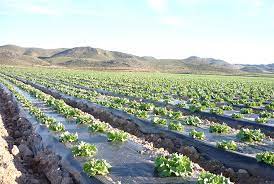
Mulching film is a type of plastic sheeting that is used to cover the soil surface around crops. The main mechanisms of mulching film in crop growth are:
- Soil temperature regulation: Mulching film can help to regulate soil temperature by preventing the sun from directly hitting the soil, which can help to reduce soil evaporation and maintain soil moisture.
- Weed suppression: Mulching film prevents sunlight from reaching the soil, which can inhibit the growth of weeds. This can reduce the need for manual or chemical weed control.
- Soil moisture conservation: Mulching film helps to prevent evaporation of soil moisture and can reduce the amount of water required for irrigation.
- Pest control: Mulching film can help to prevent pests such as snails and slugs from reaching the crops, as well as reduce the impact of soil-borne diseases.
- Enhanced growth: Mulching film can lead to better crop growth by reducing stress due to heat, lack of moisture and competition from weeds, and increasing the availability of nutrients in the soil.
- Reduced erosion: Mulching film can help to reduce soil erosion by preventing water and wind from carrying away topsoil.
It’s important to note that mulching film should be used with caution as it can also have negative effects such as increasing the soil temperature too much, altering the soil microclimate, and not biodegradable, leading to pollution.
How to make soil more soft for root growth?
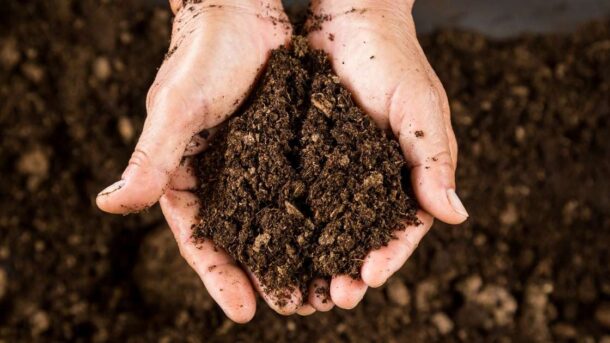
There are several ways to make soil more soft for root growth, including:
- Adding organic matter: Incorporating organic matter such as well-decomposed farm yard manure, compost, or vermi-compost can improve soil structure and water-holding capacity, making it easier for roots to penetrate.
- Loosening soil: Use a rake or cultivator to loosen the soil and break up any clumps. This will make it easier for roots to penetrate the soil and increase soil aeration.
- Improving drainage: Make sure the soil has good drainage to prevent waterlogging, which can make it difficult for root growth. If the soil is heavy clay or sandy, adding organic matter can help improve drainage.
- Adjusting pH: Adjust the pH of the soil to the optimal range for the plants you’re growing. Most plants prefer soil that is slightly acidic (pH 6.0-6.8), but some plants, such as blueberries, prefer more acidic soil (pH 4.5-5.5).
- Cover cropping: Planting cover crops such as clover, alfalfa, or rye can help to improve soil structure and fertility, and prevent erosion.
- Mulching: Mulching with organic materials such as straw, grass clippings, or leaves can help to keep soil moist, suppress weeds, and protect soil from erosion.
It’s important to note that the timing of these steps can vary depending on the region and climate, and that soil conditions also change over time so regular monitoring and maintenance is important.
How Azotobacter biofertilizer make soil more fertile?

Azotobacter bacteria produce enzymes called nitrogenases, which convert atmospheric nitrogen (N2) into ammonia (NH3), which can be used by plants as a source of nitrogen. This process is known as nitrogen fixation. By fixing nitrogen in the soil, Azotobacter can help to reduce the need for synthetic nitrogen fertilizers and improve the overall health of the soil.
Azotobacters also provides other benefits to the soil such as phosphorous solubilization, production of plant growth promoting hormones and biocontrol of plant pathogens.
Azotobacters can be applied to the soil in various forms, such as liquid or granular, and can be used in combination with other biofertilizers, like Azospirillum and phosphate solubilizing bacteria, to create a more complete and balanced soil ecosystem.
It’s important to note that the growth and survival of Azotobacter in soil depend on soil conditions such as water, pH, temperature, organic matter, and other microorganisms. So, care should be taken to maintain optimal soil conditions for the growth of Azotobacter.