Beneficial organisms

What are the issues related to food safety and quality control in the agricultural sector?

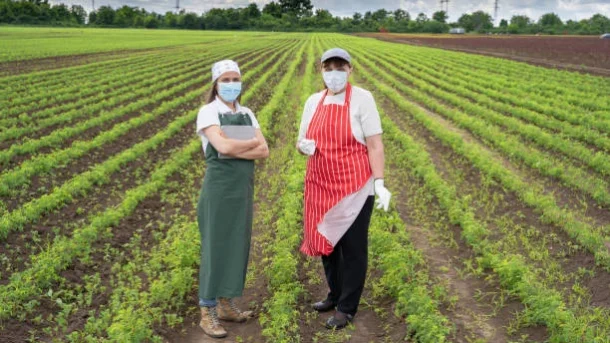
Contamination of Agricultural Products: Production, processing, shipping, and storage are just a few of the processes where agricultural products may get contaminated. Pathogens, pesticides, heavy metals, mycotoxins, and chemical residues are only a few examples of contaminants. Poor farming methods, inappropriate pesticide use, poor sanitation, and a lack of hygiene standards can contaminate food crops and endanger the health of consumers.

Consuming contaminated food can lead to foodborne illnesses, which can be harmful to human health and even be fatal. Salmonellosis, E. coli infection, listeriosis, and other ailments can be brought on by pathogenic bacteria, viruses, parasites, and other dangerous microbes. During production, processing, and handling, inadequate food safety procedures can increase the risk of contracting foodborne illnesses.

Lack of Traceability and Transparency: Traceability is essential for tracking agricultural products’ origin and transit along the supply chain. It assists in locating the cause of any contamination or quality problems and, if necessary, permits prompt recalls. Effective quality control and response to food safety issues can be hampered by inadequate traceability systems and limited supply chain transparency.

Limited Technical Capacity: Many small-scale farmers and producers in developing countries might not have enough financial or technical resources to put in place effective quality control methods. The ability to identify and address quality and safety problems in agricultural goods might be hampered by a lack of access to testing facilities, suitable tools, and qualified employees.
How does the absence of market infrastructure and value-added processing impact farmers’ income and profitability?

Limited Market Access: Farmers may have trouble accessing markets for their agricultural products in the absence of adequate market infrastructure. They can be forced to rely on regional marketplaces or middlemen who provide lower prices, which can lead to limited selling options and diminished bargaining strength. Farmers’ capacity to access bigger, more lucrative markets may be constrained by limited market access, which may reduce the amount of money they may make.

Price volatility is a problem for farmers because it causes big swings in the cost of their goods. This is caused by a lack of market infrastructure. Farmers may find it difficult to negotiate fair and consistent prices for their produce in the absence of efficient markets, the transmission of price information, and transparent transactions. Farmers may experience revenue instability as a result of the difficulty planning ahead and managing their finances due to price fluctuation.

Value-added processing facilities allow farmers to diversify their crops and command premium prices in the market despite limited product differentiation. Without these resources, farmers could only be able to sell raw or unprocessed goods, which frequently sell for less money than processed or value-added goods. The ability of farmers to realize better earnings and boost their income may be constrained by the lack of value addition options.

Dependence on Intermediaries: Without market infrastructure, farmers may rely excessively on middlemen or intermediaries to sell their produce. Due to a lack of direct market access, this dependence might result in exploitative practices where farmers obtain reduced prices for their goods.

How does the lack of investment in agricultural research and development hinder innovation in the sector?

Agriculture’s ability to innovate can be hampered in a number of ways by a lack of investment in agricultural research and development (R&D):

Limited Technological Advancements: The creation and implementation of new agricultural technologies, practices, and innovations depend heavily on investment in agricultural R&D. Without sufficient financing, scientists and research organizations could find it difficult to carry out the essential studies, tests, and experiments to enhance agricultural knowledge and create new solutions. The industry’s capacity to meet new challenges, increase production, and improve sustainability is hampered by this lack of technological developments.

Slow Adoption of Improved Practices: Research and development (R&D) in agriculture is essential for developing new crop types, breeding methods, pest control approaches, and other advances. Limited access to such knowledge can arise from inadequate R&D spending.

Missed Economic Opportunities: By promoting innovation, value addition, and sector diversification, agricultural R&D has the ability to open up new economic opportunities. The creation of novel high-value crops, food processing technology, and agribusiness models can result from investments in R&D. Without sufficient finance, the sector might pass up significant business prospects, such as the possibility for job growth, exports, and general economic expansion.

Limited Problem-Solving Capacity: Agricultural R&D provides the scientific underpinnings for solving challenging agricultural issues and locating long-term fixes. The ability of research institutes and scientists to conduct the extensive investigations, experimentation, and analysis required to comprehend and address pressing problems facing the industry is constrained by inadequate funding in R&D. The industry’s inability to address new problems and maximize efficiency is hampered by this lack of capability.

How does the lack of access to credit and financial services for agricultural investments hinder farmers’ productivity?

credit and financial services

The productivity of farmers can be hampered in a number of ways by a lack of access to financing credit and financial services for agricultural investments:

Limited Investment Capacity: Farmers may not have the money they need to invest in agricultural supplies, technology, and infrastructure that can increase production if they do not have access to credit and financial services. This entails investing in top-notch seeds, fertilizer, irrigation equipment, farming practices, and machines. Lower productivity levels might come from farmers being unable to embrace new methods and technology due to a lack of investment capacity.

Restricted Expansion and Diversification: Farmers may find it difficult to extend their businesses or diversify into higher-value animals or crops due to a lack of finance and financial services. Investments in operating capital, infrastructure, equipment, and land are necessary upfront for expansion and diversification.

Inability to Adopt contemporary technology: By using contemporary technology like irrigation systems, mechanization, and precision agriculture, agricultural production may be considerably increased. These solutions, however, frequently need a sizable initial expenditure. Farmers may be unable to purchase and utilize these technologies due to a shortage of credit and financial services, which limits their capacity to increase production and efficiency.

Limited Working Capital: For day-to-day agricultural activities, such as buying supplies, hiring labour, and managing cash flow, enough working capital is crucial. Lack of access to finance can make it difficult for farmers to keep enough operating capital on hand, which can cause interruptions in farming operations, less than ideal decision-making, and decreased production.

How does the absence of effective market linkages and value chain integration impact farmers’ income opportunities?

farmers

Limited market access: Farmers may encounter difficulties finding markets for their agricultural products in the absence of strong market connections. Farmers’ capacity to access customers and offer their goods at competitive pricing may be limited by geographical constraints, inadequate transportation infrastructure, and a lack of market knowledge. Farmers may be forced to rely on local middlemen or intermediaries who may provide lower pricing as a result of their limited market access, which will affect their income.

Price volatility and exploitation: Farmers are frequently more at risk from price fluctuation when there are weak market ties. When market prices are low and they are compelled to sell their produce right away after harvest, their profitability may suffer. Moreover, farmers may be at a disadvantage when negotiating rates with customers if they lack direct access to markets and information.

Lack of market data: Farmer need up-to-date, reliable market data to make decisions regarding what to produce, when to sell, and where to sell their products. Farmers may find it difficult to successfully plan their production and marketing strategy in the lack of trustworthy market information due to uncertainties. This may lead to misaligned supply and demand, price changes, and fewer chances for employment.

Insufficient value addition: Adding value to agricultural products is essential if farmers are to increase their profitability. Farmer may lose out on chances for value addition, such as processing, packaging, and branding, if the value chain is not properly integrated and coordinated.

What are the challenges faced by farmers in accessing and utilizing modern technologies and digital tools?

technologies

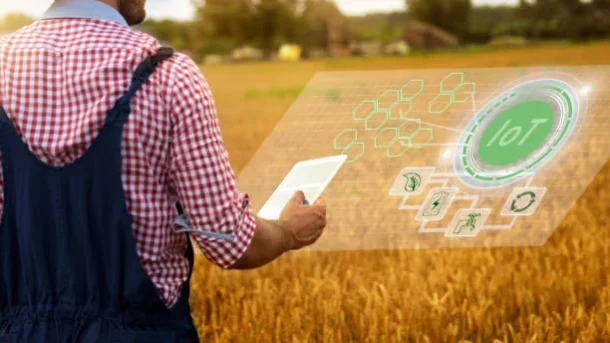
Limited connectivity and infrastructure: Access to contemporary technologies and digital tools frequently requires strong internet access and sufficient infrastructure. The availability of high-speed internet and other essential infrastructure, however, may be restricted or nonexistent in many rural communities where agriculture is the main industry. Farmers struggle to access online materials, participate in digital platforms, and successfully use technology-based solutions due to a lack of connectivity.

Cost and accessibility: The cost of modern technologies and digital tools, especially for small-scale farms with limited financial resources, can be a major obstacle for farmers. For many farmers, the expense of acquiring and maintaining cutting-edge gear, tools, sensors, or software systems can be prohibitive. Furthermore, continuous costs for software licenses, upgrades, and technical support may put a burden on company finances.

Limited technical expertise: Modern technology and digital tools demand technical expertise for adoption and use. Farmers may have trouble deciphering the complexities of sophisticated technology, resolving technological problems, and efficiently utilizing digital platforms. Lack of exposure to and instruction in the use of these instruments may pose a barrier to entry and prevent their widespread adoption.

Customization and compatibility: Modern technologies and digital tools are frequently created for generic applications that may not perfectly match the unique requirements and circumstances of various agricultural systems or the needs and circumstances of specific farmers. It can be difficult and time-consuming to adapt these technologies to fit particular farm operations and integrate them into current workflows.

How does the absence of effective market information and price transparency impact farmers’ profitability?

profitability

Limited ability to negotiate prices: Farmers who don’t have access to up-to-date, reliable market information may find it difficult to get fair prices for their goods. Farmers may be at a disadvantage when negotiating with buyers or intermediaries if they are unaware of current market prices, supply and demand dynamics, and price patterns. They might be more willing to accept cheaper prices or unfavorable business terms, which would limit profitability.

Price volatility and risk: Farmers are more vulnerable to price volatility and market hazards in the lack of accurate price information. Farmers’ income and profitability can be dramatically impacted by fluctuating market prices. Farmers may find it difficult to decide when to sell their products without up-to-date information on price changes, which could result in possible losses if prices decline or the sale is missed.

Lack of market knowledge might result in wasteful judgments on resource allocation and output. Due to a lack of knowledge about market demand and price expectations, farmers may choose unfavorable crops, plant them, and increase production levels. This may lead to problems of overstock or undersupply, which would lower profitability and waste resources.

Limited market diversification: Farmers must recognize and take advantage of market opportunities and must have access to market data and price transparency. Farmers may find it difficult to investigate and enter new markets or to locate niche markets that provide higher prices for their produce without access to credible information. This restricts their capacity to expand their customer base, lessen reliance on a single customer, and increase the value of their products.

How does the lack of market infrastructure and value-added processing hinder farmers’ income opportunities?

lack

Limited market access: Farmers’ access to potential customers and markets may be hampered by a lack of market infrastructure, such as transportation systems, storage facilities, and marketplaces. Farmers may encounter difficulties delivering their produce to far-off markets without adequate infrastructure, which could result in higher transportation costs, post-harvest losses, and less market prospects. Their ability to reach a larger customer base and their opportunity for greater sales and profitability are both hampered by this lack of access.

Price instability and exploitation: Without a strong market infrastructure, farmers may be at risk of price instability and unfair business practices. They might not be well-informed about current market prices, which makes it challenging for them to bargain for reasonable rates for their produce. Middlemen or intermediaries may profit from the circumstance by providing low pricing to.

Limited value addition and processing: Activities that increase the value of agricultural products are known as value addition and processing. However, farmers’ capacity to change unprocessed agricultural commodities into higher-value products may be constrained by the absence of processing facilities and value-added activities close to farming communities. Without these resources, farmers could be forced to sell their goods for less money and forgo the extra value that comes from processing and diversification. Value-added processing can support the growth of the rural economy by generating extra employment possibilities.

For the market to achieve the quality and standard requirements needed by consumers and larger marketplaces, market infrastructure is crucial. Farmers may find it difficult to maintain the quality of their crop without adequate storage facilities and processing capabilities, which could result in product deterioration.

What are the challenges faced by farmers in adopting and implementing sustainable water management practices?

water management practices

Water scarcity and competition: Farmers frequently struggle with other industries for dwindling water supplies in many places of the world. Farmers may find it difficult to adopt sustainable water management practices as a result of this water competition because they may have trouble getting enough water for irrigation or face water use restrictions.

Lack of infrastructure and technology: To maximize water consumption, sustainable water management frequently calls for the employment of cutting-edge irrigation technologies like drip irrigation or precision irrigation systems. However, for many farmers, especially small-scale farmers with limited financial means, the up-front costs of constructing and maintaining such infrastructure can be a considerable barrier. The implementation of sustainable water management is hampered by a lack of affordable and suitable solutions.

Knowledge and awareness gaps: Farmers may be unaware of sustainable water management measures, such as effective irrigation methods, water-saving techniques, and crop water requirements. Farmers’ capacity to make intelligent judgments and successfully implement sustainable water management methods might be hampered by a lack of information and technical expertise.

Financial limitations: Investing upfront in infrastructure, technology, and training is frequently necessary to adopt sustainable water management practices. However, many farmers, particularly smallholders, struggle with money problems and do not have access to finance that is cheap or financial assistance to make these investments. Farmers may be unable to use sustainable water management techniques due to a lack of funding.

What are the challenges faced by farmers in adapting to technological advancements and digital transformation?

technological

Access to technology: Many farmers, especially those in rural and isolated places, might not have easy access to the essential technological infrastructure, such as dependable electricity and internet connectivity. Their capacity to take advantage of digital tools and platforms is hindered by a lack of technological access, which reduces their ability to participate in agriculture’s digital transformation.

Technology affordability: Farmers may find it difficult to embrace and use new technologies because of the high costs involved, particularly for small-scale farmers who have limited financial means. It might be challenging for farmers to adopt cutting-edge technology due to the initial investment needed to buy hardware, software, sensors, and other technological equipment.

Technical know-how and abilities: Farmers frequently need to pick up new technical know-how and abilities in order to adapt to technological improvements. It’s possible that farmers require training to learn how to use digital tools, assess data, and base decisions on that knowledge. Farmers’ capacity to utilize and profit from technology improvements may be hampered by a lack of technical expertise.

The use of digital technologies in agriculture generates a substantial amount of data about crop yields, weather patterns, soil conditions, and more. This raises issues with data management and privacy. Farmers may experience difficulties comprehending and managing massive amounts of data, as well as protecting the privacy and security of that data. They might need assistance with data management procedures and guarantees that their private data will be protected.