Beneficial organisms

What are the problems caused by inadequate storage and transportation infrastructure for perishable crops?

transportation infrastructure

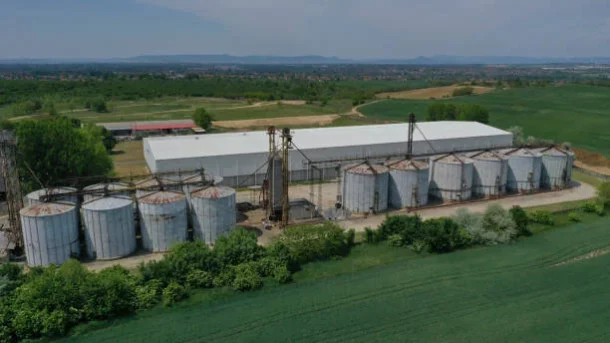
Post-harvest losses: Crops that decay easily, such as perishable fruits, vegetables, and flowers, have a short shelf life. Significant post-harvest losses can occur as a result of spoiling, decay, and quality degradation in the absence of sufficient storage facilities, such as cold storage or refrigeration units. Farmers suffer financial losses as a result, and the market’s supply of fresh produce is decreased.

Limited market access: Farmers may encounter difficulties reaching far-off markets and customers in the absence of adequate transportation infrastructure. Transporting perishable crops effectively and on schedule is essential to preserving their quality and freshness. Farmers may have trouble getting to markets on time if there is insufficient transportation infrastructure, such as well-maintained roads, dependable cold chain logistics, and suitable packaging. Consequently, there may be less market access.

Price volatility: For perishable crops, inadequate infrastructure for storage and transportation can make prices more volatile. Even during times of surplus, farmers may be obliged to sell their crops right away if there aren’t adequate storage facilities. This can cause a market oversupply and a drop in pricing. In contrast, due to restrictions in the transportation infrastructure, farmers may find it difficult to provide perishable commodities at times of strong demand, raising the cost to consumers.

Quality decline: The temperature, humidity, and handling circumstances have a significant impact on the quality of perishable crops. Particularly in hot and humid locations, inadequate storage and transportation facilities can cause quality to decline while in transit. Bruising, rotting, and wilting can all result from improper handling, a lack of temperature control, and lengthy transportation durations.

How does the lack of integration and coordination among stakeholders hinder agricultural development?

stakeholders

Inefficient use of resources: When agricultural sector stakeholders, including farmers, governmental organizations, research institutes, and commercial businesses, act independently or without coordination, there may be a duplication of efforts and inefficient use of resources. Time, money, and human capital may all be wasted as a result of this. For instance, research organizations could create technology or methods that are not adequately shared with farmers, leading to underuse of beneficial discoveries.

Conflicting and fragmented policies might be the result of a lack of coordination and integration among stakeholders. It’s possible for various government entities to establish rules or policies that clash or don’t make sense. For farmers and other players in the agriculture sector, this may lead to misunderstanding and restrictions that will impede their ability to

Market and value chain accessibility issues: Poor integration and coordination may make it difficult for farmers to access these areas. Due to a lack of market connections or an insufficient transportation infrastructure, farmers may have trouble finding dependable market outlets or having trouble reaching far-off markets. Inefficient and fragmented supply chains can also be the result of a lack of coordination between various value chain operators, such as processors, merchants, and retailers, which limits farmers’ capacity to capture value and reach higher-value markets.

Weak knowledge and technology transfer: Collaboration and integration between stakeholders are crucial for successful knowledge and technology transfer. To comprehend farmers’ demands, communicate pertinent knowledge, and encourage the adoption of cutting-edge technology, research organizations and extension agencies must work directly with them.

What are the challenges faced by farmers in accessing and utilizing agricultural technologies?

technologies

Affordability: Many farmers, especially small-scale farmers with limited financial resources, may find agricultural technologies, especially advanced ones, to be expensive. It may be difficult for farmers to acquire and implement new technology because the initial cost of acquisition, together with continuing maintenance and operational costs, may exceed their budget.

Farmers may not be well-informed about the agricultural technology that are available and their potential advantages. They might not be knowledgeable about the most recent advancements, their capabilities, or how they can solve particular farming problems. Farmers may have difficulty understanding and using new technologies if they have limited access to information and extension services.

Technical Skills and Knowledge: For operation, maintenance, and troubleshooting, many agricultural technologies call for particular technical skills and knowledge. Farmers might not have the technical expertise needed to use the technology properly or they could need training and capacity-building initiatives to fully comprehend its operations and make the best use of it.

Agriculture technologies frequently depend on reliable infrastructure and connection, such as availability to electricity, internet connectivity, and appropriate communication networks. Farmers may have trouble utilizing technology to its full capacity in remote or rural places where such infrastructure is inadequate or unreliable.

What are the problems associated with pests, diseases, and invasive species in agriculture?

pests

Crop Losses: By directly consuming plants, wreaking havoc on plant tissues, and weakening plants, pests, diseases, and invasive species can result in significant crop losses. They may lower crop production and quality, which would cost farmers money.

Reduced yield: Pest, disease, or invasive species infestations can have a significant negative influence on agricultural yield. They can impede photosynthesis, nutrient uptake, and plant growth, leading to stunted plants, subpar growth, and decreased output as a whole.

Pests, illnesses, and invasive species in agriculture can all have a substantial impact on the economy. To lessen the effects, farmers might need to spend a lot of money on pesticides, treatments, or control measures. Additionally, phytosanitary rules that restrict trade of infected commodities might reduce market access and result in losses of money.

Increased Input Costs: Farmers who invest in pest management techniques, disease management plans, and invasive species eradication initiatives may experience increased input costs. These extra expenses could put a burden on company finances and lower their profitability.

What are the challenges and opportunities in agricultural mechanization and equipment innovation?

mechanization

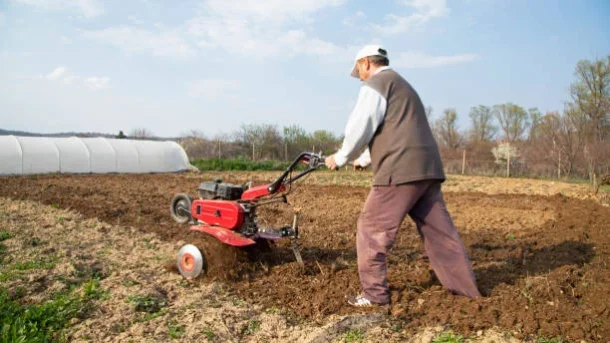
Accessibility and Affordability: Small-scale farmers often struggle to acquire and purchase agricultural gear and equipment due to their high cost. The implementation of mechanization technologies may be hampered by limited financial resources and poor credit access.

Infrastructure and Power Supply: In many areas, the utilization of mechanical equipment can be hampered by inadequate infrastructure, such as shoddy road systems and constrained access to electricity. Machine operation is impacted by an unstable power supply, especially in rural and distant places.

Technical Skills and Training: Technical skills and training are necessary for the efficient use of agricultural machinery. However, there can be a shortage of qualified technicians, mechanics, and operators with the skills required to use and maintain contemporary machinery. The implementation of mechanization can be hampered by a lack of training opportunities and restricted access to technical support.

Adaptability to Local circumstances: Agricultural mechanization solutions should be appropriate for regional agricultural systems, agroecological circumstances, and farm sizes. To meet the various needs of farmers, equipment must be flexible and adaptable. It can be difficult to design and modify machinery to meet certain regional circumstances.

How is the agriculture sector addressing the issue of food deserts and food access?

food deserts

The agriculture industry is working with a number of stakeholders to solve the problem of food deserts and enhance food access in underserved communities. Here are some strategies that are being used:

Urban farming and community gardens: In order to boost local food production, community gardens and urban farming programmes are being built in food deserts and urban areas. These programmes enable localities to generate their own fresh produce, increasing access to wholesome food.

Mobile markets and food trucks: These food providers deliver wholesome meal alternatives and fresh vegetables to neglected neighborhoods. These programmes close the gap by making it simple to get hold of cheap, wholesome meals.

Farmers’ markets and community supported agriculture (CSA) programmes allow consumers to interact directly with local farmers. These programmes increase the accessibility of fresh, locally farmed produce, frequently at reasonable rates, by establishing direct market channels.

Nonprofit Organizations and Food Banks: By supplying emergency food aid and putting long-term policies into place, nonprofit organizations and food banks play a critical role in alleviating food deserts. To distribute extra food and encourage healthy eating, they frequently work with farmers and distributors.

What are the challenges and opportunities in agricultural extension services?

agricultural extension services

Agricultural extension services are essential for educating farmers, offering them technical support, and encouraging the adoption of new practices. Extension services provide helpful support, but they also encounter a number of obstacles and chances:-

Limited Access: Due to physical obstacles, subpar infrastructure, or a lack of communication channels, farmers in distant or marginalized areas frequently have limited access to extension services. This access gap must be closed, which is a difficult task.

Funding and Resources: In order for extension services to be effective, they must have enough funding and resources. The provision of high-quality extension services might be hampered by insufficient funding, a lack of employees, and outmoded facilities.

Digital Technologies: There are numerous potential for agricultural extension services given the growing accessibility of digital technologies. Mobile tools, internet resources, and digital material can help with remote knowledge exchange, prompt guidance, and interactive communication between extension specialists and farmers.

Farmer-to-Farmer Extension: Peer learning initiatives and farmer-to-farmer extension strategies have a lot of potential. Sharing expertise with other farmers who have embraced new practices effectively helps increase community participation in extension services and foster a sense of trust and relevance.

How are international collaborations and partnerships promoting agricultural research and knowledge sharing?

collaborations

International collaborations, partnerships and cooperation are essential for advancing agricultural research and knowledge exchange. They make it easier for nations, organizations, and stakeholders to share knowledge, skills, and resources. The following are some ways that multinational alliances and partnerships advance agricultural research and information transfer:

Research collaboration: To address shared agricultural concerns, international collaborations bring together researchers from various institutions and nations. These partnerships frequently involve shared data and resources, cooperative experiments, and joint research endeavors. Researchers can more successfully address complex agricultural problems and produce novel solutions by combining their knowledge and resources.

Building Capacity: International partnerships promote capacity building initiatives by offering instruction, workshops, and technical support. Knowledge transfer and skills from more advanced agricultural research organizations aid developing nations and emerging economies. These partnerships support the development of regional research capacities, the improvement of technical skills, and the promotion of a culture of innovation and scientific inquiry.

Sharing of Data and Information International partnerships make it easier to exchange data, information, and best practices in agriculture. Researchers and institutions can gain access to and share data sets, research findings, and technical knowledge through networks and collaborations. Sharing information facilitates evidence-based decision-making, prevents duplication of effort, and improves the effectiveness and quality of agricultural researches.

What are the current discussions on food labeling and consumer awareness?

discussions

Food labelling and consumer education are still hotly contested topics. The following are some of the main subjects and factors raised in these discussions:

Nutritional Information: Clearly displaying correct nutritional information on food labels is one area of concentration. In order to make this information more comprehensible and accessible to customers, there are discussions over the format and presentation of it. Key nutrients are being emphasized, portion amounts are being included, and added sugars or other potentially dangerous components are being indicated.

Allergen Labelling: An essential component of food safety is the appropriate labelling of allergies. Improvements to the labelling of common allergens, including nuts, gluten, soy, and dairy, are being discussed in order to assist those with allergies or intolerances in making educated decisions. There

Consumer demand for component transparency in food manufacturing has sparked discussions about ingredient labelling. The origins and sources of ingredients, as well as details on genetically modified organisms (GMOs), synthetic additives, and preservatives, are subjects of growing interest. The use of terminology like “natural,” “organic,” and “free-range” as well as their definitions and standards are discussed.

What are the challenges and opportunities in agricultural education and training?

training

In order to guarantee a trained and knowledgeable workforce in the agricultural industry, agricultural education and training face both problems and opportunities. The following are some major difficulties and chances:

Industry Changes: The agricultural sector is changing quickly as a result of advancing technology, climatic changes, and changed consumer preferences. It might be difficult to keep agricultural education and training programmes current with these changes. There is a need to incorporate cutting-edge subjects like precision agriculture, sustainable farming methods, and digital technology into curriculum while also regularly updating them.

Resources are scarce: Many areas, particularly those in developing nations, face shortages of funds, infrastructure, and competent teachers. The effectiveness and accessibility of agricultural education and training are hampered by a lack of resources.

bridging the gap between urban and rural areas: There is frequently a mismatch between metropolitan residents, who might not completely understand or appreciate the value of agriculture, and rural communities, where agriculture plays a key role. It is difficult to bridge this gap and advance agricultural education in both contexts.