Beneficial organisms

How is satellite-based monitoring used for deforestation detection in agriculture?

satellite-based

A useful method for identifying and keeping track of deforestation in agricultural areas is satellite-based monitoring. Here is how it is applied in agriculture to detect deforestation.

Satellites are able to collect detailed images of agricultural areas across time. Algorithms can analyse the changes in land cover and pinpoint regions where deforestation has taken place by comparing satellite photos collected at various periods. The detection of forest loss and conversion to agricultural land is made possible by this change detection methodology.

Satellite sensors are able to record optical imagery in the visible, near-infrared, and shortwave infrared ranges. Different levels of vegetation health and density can be seen using this imagery. Satellite-based monitoring can locate regions where forest cover has been removed or deteriorated by analysing these spectral fingerprints, potentially exposing deforestation.

Integration of Ancillary Data: Ground-based observations, land-use maps, and socioeconomic data, among others, can be integrated to improve satellite-based monitoring. Understanding the underlying causes of deforestation in agricultural areas is made possible by this integration, which enables a more thorough investigation of deforestation dynamics.

Early Warning Systems: Early warning systems for deforestation can be created using satellite-based monitoring. Alerts can be created when deforestation exceeds predetermined criteria or when unlawful activity is found by continuously monitoring forest cover and changes in land use. These early warning systems allow for prompt action and response to lessen the effects of deforestation on the ecosystem.
What is the role of genetic markers in crop breeding programs?

genetic markers

The identification and mapping of the genomic areas linked to specific features of interest, such as disease resistance, yield potential, quality characteristics, or tolerance to environmental challenges, are made possible by the use of genetic markers. Breeders can determine the genetic origin and location of desired features by linking the presence or absence of markers with the expression of these qualities.

Genetic markers allow breeders to more effectively pick plants with desirable features, a process known as marker-assisted selection (MAS). Breeders can locate and choose plants that exhibit specific qualities at an early stage of plant development, such as in seedlings or even before phenotypic expression, by employing markers associated to those features. This shortens the time needed for trait selection and speeds up the breeding process.

Genomic Selection: Genetic markers are used in genomic selection to concurrently forecast how well plants will perform across a variety of attributes. Statistical models can be used to calculate the genetic potential of plants for various qualities by genotyping individuals at marker loci throughout the genome. Breeders can make predictions earlier in the breeding process thanks to genomic selection, which results in a more precise and effective selection of superior individuals.

Marker-Assisted Backcrossing (MAB): Marker-assisted backcrossing is a method that makes it easier to pass a particular characteristic from one parent (donor) to another parent (recurrent) while preserving the recurrent parent’s genetic make-up. During backcrossing, genetic markers assist in locating and identifying the progeny that exhibit the desired trait from the donor parent. This quickens the emergence of desired

How Azotobacter biofertilizer make soil more fertile?

Azotobacter

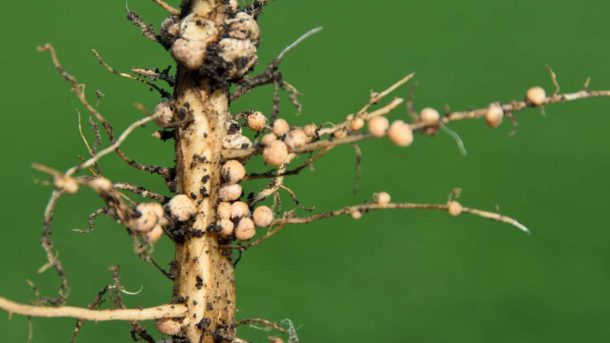
Azotobacter bacteria produce enzymes called nitrogenases, which convert atmospheric nitrogen (N2) into ammonia (NH3), which can be used by plants as a source of nitrogen. This process is known as nitrogen fixation. By fixing nitrogen in the soil, Azotobacter can help to reduce the need for synthetic nitrogen fertilizers and improve the overall health of the soil.

Azotobacters also provides other benefits to the soil such as phosphorous solubilization, production of plant growth promoting hormones and biocontrol of plant pathogens.

Azotobacters can be applied to the soil in various forms, such as liquid or granular, and can be used in combination with other biofertilizers, like Azospirillum and phosphate solubilizing bacteria, to create a more complete and balanced soil ecosystem.

It’s important to note that the growth and survival of Azotobacter in soil depend on soil conditions such as water, pH, temperature, organic matter, and other microorganisms. So, care should be taken to maintain optimal soil conditions for the growth of Azotobacter.

What is windrow composting process and how it works?

windrow

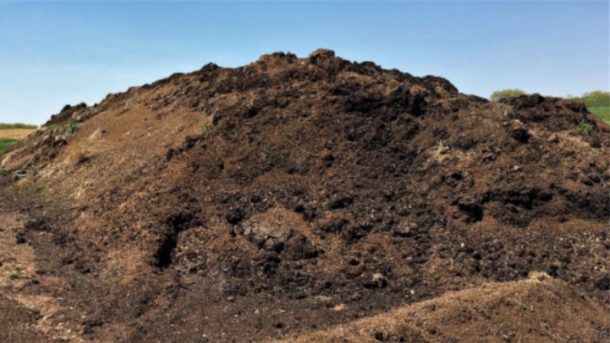
Windrow composting is the most common process of composting in India. It mainly involves the stabilization of organic solid waste through aerobic decomposition. This process facilities can efficiently handle large quantities of waste in comparison to vermicomposting. It is a process for bio-degrading’s organic material aerobically. This method produces heat that destroys pathogens and also produces a stabilized compost product for use as mulch, coil conditioner and top soil additive. Then, the organic material is left to decompose outdoors, aided only by watering and mechanical turning for aeration. This process is simple, non-intensive has a very low capital cost, and is used by farmers, municipalities and waste processing corporations. It is the slowest large-scale process used to produce compost. Windrow composting process can be used to process yard waste, food, paper and sewage sludge.

What are Plant Growth Promoting Bacterias (PGPB)?

PGPB

Plant growth promoting bacteria (PGPB) are bacteria that can enhance plant growth and protect plants from disease and abiotic stresses through a wide variety of mechanisms. Plant growth promotion (PGP) qualities include biological nitrogen fixation, phosphate solubilization, ACC deaminase activity, and siderophores and phytohormone synthesis. If bacterial inoculants are effective, they can help boost agronomic efficiency by lowering production costs and reducing pollution, especially if chemical fertilisers are decreased or eliminated.

What is Bt ( Bacillus Thuringiensis )?

Bacillus Thuringiensis


Bacillus thuringiensis (Bt) is a soilborne bacteria that causes diseases in insects and can be found all over the world. Its creation of crystal-like proteins that selectively kill specific kinds of insects and other creatures is a distinguishing trait. When the insect consumes these Cryproteins, its digestive enzymes activate the protein’s deadly version. Cryproteins bind to specific receptors on intestinal walls, causing midgut cells to burst. Susceptible insects stop feeding within a few hours of their first bite and die within 2 or 3 days if they have consumed enough toxin.