Beneficial organisms

Are biofertilizers safe for the environment and human health?

safe

Yes, as long as they are used properly and in accordance with suggested criteria, biofertilizers are generally safe for the environment and human health. Here are some explanations for why biofertilizers are thought to be secure:

1. Non-hazardous and Biodegradable: Biofertilizers are created from organic materials or living microorganisms and do not contain hazardous or synthetic chemicals. They don’t leave any toxic residues in the soil or water as a result, and they decompose naturally over time.

2. Lessened Environmental Pollution: Unlike chemical fertilizers, which, when used excessively or poorly, can result in water pollution and environmental damage, biofertilizers have a lesser risk of doing so. They encourage the balanced use of nutrients and lessen nutrient runoff and leaching, hence lessening the detrimental effects on ecosystems and water bodies.

Enhancement of Soil Fertility: Biofertilizers improve soil fertility, supporting long-term agricultural sustainability. A diversified microbial population found in healthy soils makes them more resistant to environmental stress and better suited to fostering plant growth.

4. Lessened Greenhouse Gas Emissions: Some biofertilizers, such as nitrogen-fixing biofertilizers, can lessen the need for chemical fertilizers based on nitrogen, which are linked to significant emissions during their production and use and contribute to greenhouse gas emissions (e.g., nitrous oxide).

5. Safe for Farmers: Unlike chemical fertilizers, which can be dangerous if not handled properly, biofertilizers generally represent less health concerns for farmers to handle.


How do biofertilizers improve soil fertility?

soil fertility

Through diverse processes that increase nutrient availability, encourage nutrient cycling, and stimulate the development of advantageous microorganisms, biofertilizers increase soil fertility. The following are some ways that biofertilizers increase soil fertility:

In the case of nitrogen-fixing biofertilizers, certain microorganisms are present that are able to fix atmospheric nitrogen as well as solubilize insoluble forms of nutrients like phosphorus, potassium, and sulfur. These procedures transform inaccessible nutrients into plant-absorbable forms, increasing their bioavailability and accessibility in the soil.

Recycling of nutrients: Biofertilizers facilitate recycling of nutrients by accelerating the breakdown of organic matter in the soil. Complex organic molecules are broken down into simpler forms during the decomposition process, releasing nutrients that plants can utilize. Biofertilizers also enhance the recycling of plant waste.

Auxins, cytokinins, and gibberellins are a few examples of the growth-promoting compounds produced by some biofertilizers, such as plant growth-promoting rhizobacteria (PGPR). These elements increase nutrient uptake, promote root growth, and enhance plant health and vigor.

Enhancement of Root Growth: Biofertilizers can encourage the growth of root structures including lateral roots and root hairs, which expands the area that can be used to absorb nutrients. Plants are better able to absorb nutrients as a result.

Suppression of disease: Some biofertilizers, such as mycorrhizal fungi, can aid in the suppression of soil-borne pathogens and plant illnesses. Mycorrhizal fungi and plant roots work together to form a symbiotic relationship that increases plant resistance to diseases and decreases the need for chemical fungicides.

How do nitrogen-fixing biofertilizers work?

nitrogen-fixing

Specific bacterial strains, including Rhizobium, Azotobacter, and Azospirillum, are found in nitrogen-fixing biofertilizers. These bacteria have the capacity to change atmospheric nitrogen (N2) into a form that plants can use, often ammonia (NH3) or nitrate (NO3-). Since nitrogen is a vital component needed for many biological activities, including protein synthesis and cell division, this procedure, known as nitrogen fixation, is necessary for plant growth.

How nitrogens-fixing biofertilizers function is as follows:

Colonization of plant roots: The soil must first be amended with bacteria that fix nitrogens. With some plants, mainly leguminous ones like peas, beans, lentils, and clover, these bacteria create a symbiotic connection. For instance, the bacteria Rhizobium produce nodules when they form a mutualistic interaction with the roots of legumes.

Nodule formation: The nitrogen-fixing bacteria cause nodules to develop on the roots of the host plant. The nitrogens fixation process takes place in these nodules, which act as specialized structures. The bacteria thrive and reproduce inside the nodules, receiving carbohydrates and other nutrients in exchange from the plant.

Nitrogen fixation: The bacteria that fix nitrogens have an enzyme called nitrogenase that helps turn atmospheric nitrogens (N2) into ammonia (NH3) inside the nodules. This is a very energy-intensive process that needs the plant to provide a significant quantity of energy in the form of sugars.

Ammonia assimilation: The plant uses the ammonia that the nitrogen-fixing bacteria have created to synthesize numerous nitrogens-containing substances, including proteins and amino acids. These substances are necessary for the plant’s growth and development.

Enhanced plant growth: Nitrogen-fixing biofertilizers boost the nitrogens availability of plants by capturing atmospheric nitrogens and supplying it to them, which fosters better growth, higher biomass, and better crop yields.

What are the prospects for agricultural market development in Oceania?

market development

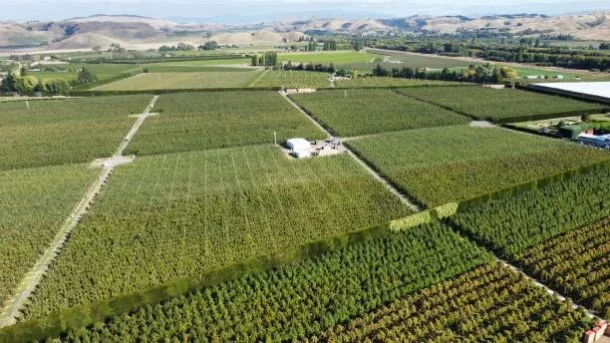
Oceania’s agricultural market development prospects are generally favorable, and a number of factors may be at play in the prospective expansion of the agricultural industry there. Oceania has a variety of agricultural landscapes, a wealth of natural resources, and distinctive agricultural products. Oceania includes Australia, New Zealand, and the Pacific Island nations. Here are some major opportunities for Oceania’s agricultural market development:

High-quality items are in high demand since Oceania produces them in large quantities, including premium cattle, lamb, dairy, fruits, and vegetables. Export opportunities to markets abroad where there is a significant demand for high-quality goods are made possible by the region’s reputation for producing sustainable and safe food.

Exports & Trade Opportunities: The agricultural export industries in Australia and New Zealand are well-established. Oceania’s geographic proximity to the Asia-Pacific area makes it well-positioned for agricultural commerce and export potential as Asian economies continue to expand.

Sustainable Agriculture: Farmers are adopting environmentally friendly practices in response to customer demand for more sustainably and ethically produced food, and there is an increasing focus on sustainable agriculture in the area.

Technological Developments: Agricultural innovation and research have a long history in Oceania. Continued investment in precision agriculture and agtech can boost farming methods’ productivity and efficacy.

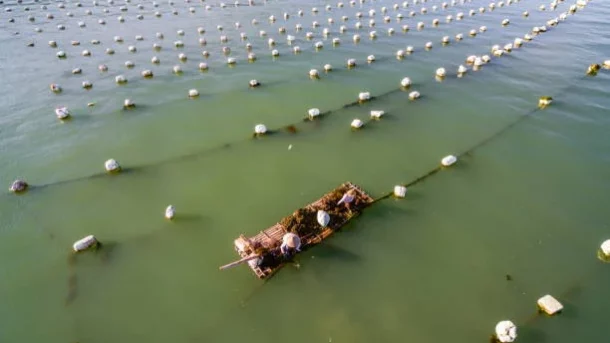
Oceania’s huge oceanic territory offers tremendous possibilities for the development of aquaculture. Sustainable aquaculture techniques can support regional economic development and food security.

What are the challenges in achieving sustainable intensification of aquaculture?

aquaculture

There are various obstacles to overcome in order to achieve sustainable intensification of aquaculture, which entails increasing output while reducing environmental effects and retaining social and economic benefits. Aquaculture is essential for supplying the rising global demand for seafood, but it must be appropriately managed to prevent harm to the environment and nearby communities. The following are some of the major obstacles to sustainable aquaculture intensification:

Increased waste generation, nutrient runoff, and habitat degradation are some of the environmental effects of intensification. Fish overcrowding in small areas can cause water quality to deteriorate, resulting in eutrophication and toxic algal blooms.

Disease and biosecurity: As aquaculture develops, farmed fish are at a higher risk of contracting diseases. For aquaculture to be sustainable, disease risk management and biosecurity precautions must be in place.

Fishmeal and fish oil are heavily used in aquaculture feeds, which can cause overfishing and put a strain on marine resources. Feed sustainability. It is extremely difficult to create and implement sustainable substitutes for fish-based meals.

Genetic Integrity: Concerns regarding the potential effects on wild fish populations if escaped farmed fish interbreed with wild stocks are raised by the adoption of genetically enhanced fish strains for quicker growth and better disease resistance.

Increased aquacultures may result in labor problems, such as unsafe working conditions and inadequate pay for farm laborers.

How does the use of biodegradable packaging impact agricultural product markets?

biodegradable

Markets for agricultural products can benefit in a number of ways from the use of biodegradable packaging, as can consumers. Packaging that may naturally disintegrate into harmless elements in the environment is referred to be biodegradable, which lessens its impact on ecosystems and landfills. Here are some ways that the usage of biodegradable packaging may affect the markets for agricultural goods:

Sustainability and environmental responsibility: Biodegradable packaging satisfies the rising customer desire for more environmentally responsible and sustainable goods. The perception of agricultural products packaged in biodegradables materials as being more environmentally friendly can draw customers who care about the environment and boost sales.

Reduced Plastic Waste: Plastic pollution, a serious environmental issue, is a result of traditional plastic packaging. Biodegradables packaging aids in the reduction of plastic waste, easing the load on landfills and preventing the introduction of plastic debris into ecosystems.

Agricultural producers and businesses adopting biodegradable packaging can improve their brand image and distinguish their products in the marketplace. By demonstrating their dedication to sustainability, they win over customers who value making ecologically friendly decisions.

Market accessibility and regulations: A few nations and regions have begun enacting laws or providing incentives to encourage the adoption of environmentally friendly packaging. Agricultural producers can ensure compliance with new environmental requirements and improve market access by using biodegradable packaging.

What are the impacts of agricultural market fluctuations on agribusinesses?

agribusinesses

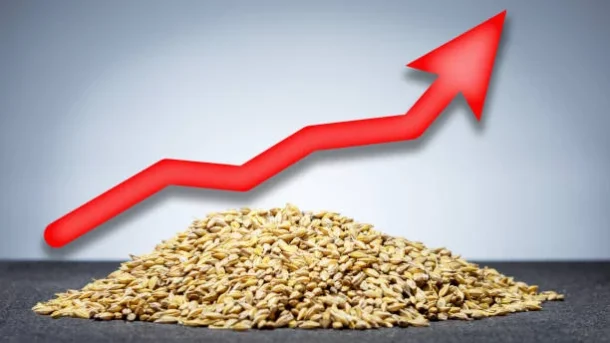
Agribusinesses may be significantly impacted by changes in the agricultural market, which may have an impact on their operations, profitability, sustainability overall, and investment choices. The agricultural market is fundamentally vulnerable to a number of factors that might change demand and affect prices. The following are some significant effects of market changes on agribusinesses:

Profitability: Market alterations can cause agricultural commodities’ prices to fluctuate. Agriculture-related firms that manufacture or sell these products may see changes in their income and profit margins. While price spikes might present possibilities for greater income, sudden price decreases can reduce profitability.

Cost of inputs: Agribusinesses frequently deal with fluctuating costs for inputs including fertilizer, seeds, insecticides, and fuel. Changes in input costs can have an effect on production costs and have a negative influence on an agribusiness’s overall profitability.

Market changes may have an impact on an agribusiness’ inventory management. When prices are high, companies could keep their stock on hand in case prices continue to rise. On the other hand, during times of low prices, they might struggle to control excess inventories.

Access to finance and funding for agribusinesses may be impacted by market changes. It may be difficult for firms to obtain loans or lines of credit for investments and operations during uncertain times because lenders may be wary.

Supply Chain Disruptions: Agricultural market fluctuations can cause supply chains to break down. Agribusinesses might have trouble finding raw materials or getting their products to clients, which would make it harder for them to meet customer demand and complete contracts.

How does the growing interest in regenerative agriculture affect market trends?

growing interest

Market trends are being significantly impacted by the growing interest in regenerative agriculture as consumers, farmers, businesses, and governments increasingly grasp the potential advantages of this agricultural method. Regenerative agriculture concentrates on boosting biodiversity, restoring soil health, and sequestering carbon in an effort to build more resilient and long-lasting agricultural systems. The following are some ways that market patterns are being affected by the interest in regenerative agriculture:

Consumer Interest in Food Products Produced utilizing Regenerative Practices is Growing: There is an increase in consumer demand for products made utilizing regenerative techniques. As a result of this demand, food businesses and retailers are sourcing and promoting regenerative goods, expanding the market’s options.

Premium Pricing and Labeling: Due to their alleged benefits for the environment and human health, regenerative products frequently attract premium prices. Companies are increasingly branding their goods as “regenerative” in an effort to draw in customers who care about the environment and are willing to pay more for sustainability.

Change in Supply Chain Procedures: In order to get products from regenerative farms, food manufacturers and merchants are reexamining their supply chain procedures. Changes in sourcing practices and supplier contract requirements are being driven by this transition.

Investment in Research and Development: As regenerative agriculture has gained popularity, there has been an increase in funding for research and development with the goal of identifying and putting into practice the best techniques for enhancing ecosystem services, enhancing soil health, and boosting production.

What are the challenges in implementing traceability systems in the agricultural market?

traceability

Due to several considerations that must be taken into account, implementing traceability systems in the agriculture sector can be a complex and difficult procedure. Traceability is the capacity to monitor a product’s movement across the supply chain, from its point of origin to the ultimate consumer. While increased food safety, quality control, and market access are just a few of the advantages of traceability, there are a number of obstacles that could prevent its successful adoption. Among the principal difficulties are:

Data collection and standardization: It can be difficult to collect and manage data at multiple points in the supply chain, particularly in areas with a lack of technology infrastructure or when producers utilize various record-keeping systems. It might take a lot of time and cooperation between stakeholders to ensure data compatibility and uniformity across the supply chain.

Complexity of the supply chain: Agricultural supply chains can be very intricate, encompassing a variety of parties like producers, processors, distributors, and buyers. It may be necessary for many entities to cooperate and coordinate in order to track products through each stage of the supply chain.

Resources and Costs: Putting traceability systems into place can be expensive, especially for small-scale farmers and companies. Some stakeholders may find it difficult to use the technology because of the costs of training, upkeep, and maintenance, especially in underdeveloped nations.

Privacy and Confidentiality Issues: Traceability systems need the gathering and exchange of private information about goods and supply chain participants. To win over everyone’s trust and cooperation, it is crucial to ensure data privacy, confidentiality, and security.

What is the role of futures contracts in mitigating price risk in the agricultural market?

futures contracts

The use of futures contracts is essential for reducing price risk in the agriculture sector. Price risk is the term used to describe the ambiguity and volatility in commodity pricing, which can have a negative impact on producers, traders, processors, and consumers. By enabling participants to fix future prices for agricultural commodities, futures contracts offer a means for mitigating this risk. Futures contracts can reduce price risk in the agriculture market in the following ways:

Price Protection: Farmers can protect themselves against prospective drops in the price of their agricultural products by using futures contracts. They can lock in a price for their upcoming harvest by selling futures contract, guaranteeing a minimum price regardless of market swings.

Market Liquidity: The standardized and liquid market for agricultural commodities created by futures contracts. The futures market’s availability of buyers and sellers guarantees that participants can enter and exit positions with ease, making it a more dependable and effective risk management tool.

Price Discovery: Trading futures contract is a part of the price discovery process. The current futures prices are a good indicator of market sentiment and supply-demand dynamics, giving agricultural producers and consumers important information to consider when making decisions.

Facilitating Long-term Contracts: Future contract offer a reference price that gives parties to long-term contracts, such suppliers and processors, more assurance and predictability when negotiating and agreeing on rates for future delivery.