climate

What is vertical farming?

What is vertical farming

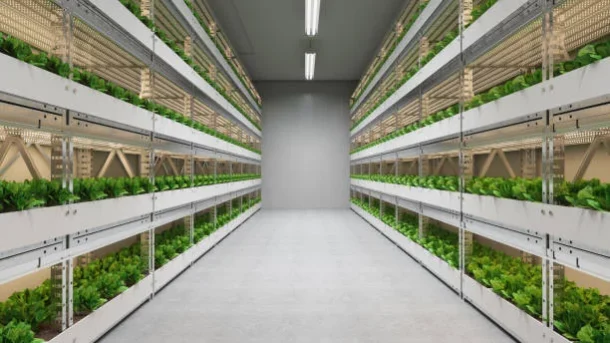
Vertical farming is a technique for growing plants in vertically stacked layers or structures, usually inside in places like warehouses, skyscrapers, or facilities made specifically for vertical farming. It entails using soilless growing media, artificial lighting, climate control, and other controlled environment agriculture (CEA) techniques to provide the best possible growing conditions for plants.

The following are some essential qualities and traits of vertical farming:

To make the most of the vertical space available, plants are cultivated in numerous stacked layers, frequently on shelves or racks. Compared to conventional horizontal farming techniques, this enables a substantially higher crop density.

Indoor farming: Vertical farming systems are frequently installed in climate-controlled indoor spaces that offer total control over variables like temperature, humidity, light intensity, and photoperiod. 

Artificial lighting systems, including light-emitting diodes (LEDs), are used in vertical farms to supply the appropriate light spectrum and intensity for photosynthesis because natural sunlight may be scarce in enclosed spaces. These lighting setups can be adjusted to a crop’s individual needs, encouraging optimum growth and development.

Hydroponics or aeroponics: Soilless growth methods like hydroponics or aeroponics are frequently used in vertical farming. While aeroponics involves suspending plant roots in the air and regularly spraying them with a nutrient solution, hydroponics includes growing plants in a nutrient-rich water solution. These techniques allow for accurate fertilizer delivery to the plants while also maximizing resource utilization and water efficiency.
How does precision agriculture help increase crop yields?

agriculture

Site-specific management: Precision agriculture collects comprehensive data about particular fields using technology like GPS, sensors, and remote sensing. These details cover crop health, soil properties, moisture content, and nutrient levels. Farmers may apply inputs (such water, fertilizer, and pesticides) precisely where and when they are required, maximizing their use and reducing waste, with the help of this data. Farmers may ensure that crops grow in the best conditions possible, increasing yields, by adjusting inputs to the unique needs of various places within a field.

Application at a variable rate: Farmers using precision agriculture can alter the pace of inputs in different parts of their fields in response to variations in the soil and crop conditions. Instead of evenly dosing insecticides or fertilizers over.

Remote sensing and images: Cutting-edge tools like drones and satellite imagery give farmers up-to-the-minute details on the health, growth, and stress levels of their crops. Farmers can identify early indications of crop illnesses, nutrient deficits, or water stress by studying this data. Farmers can take immediate action to solve these problems, reducing yield losses and maximizing crop productivity, with fast intervention and focused management strategies.

Systems for making decisions: Precision agriculture uses sophisticated systems for making decisions that combine information from many sources, including crop models, soil moisture sensors, and weather forecasts. These systems give farmers useful information and suggestions so they may choose wisely when it comes to planning irrigation schedules, managing nutrients, controlling pests, and planting techniques. Farmers may improve their methods and reduce risks by depending on data-driven decision-making, ultimately.

Which government initiative focuses on promoting the cultivation of horticultural crops under protected cultivation?

horticultural crops

The “Mission for Integrated Development of Horticulture” (MIDH), a government project, promotes the growing of horticultural crops under protected cultivation. The Government of India has adopted the MIDH program, which is centrally supported, to encourage the sector’s overall growth and development, including the production of horticultural crops under protected conditions.

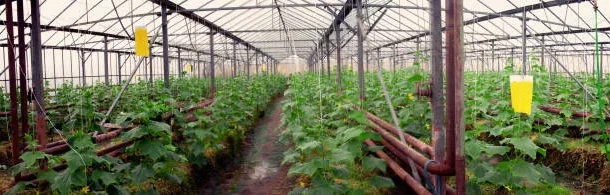
Farmers and business owners interested in horticulture, such as the cultivation of fruits, vegetables, flowers, spices, and medicinal plants, are given financial and technical support under the MIDH. The program encourages the use of protected farming techniques, which entail raising crops in tightly regulated spaces including polyhouses, greenhouses, screen houses, and shade nets. These shielded buildings offer protection from bad weather, pests, and diseases, allowing year-round production and better crop quality.

The particular elements and assistance offered by MIDH for protected horticulture may consist of:

Infrastructure improvement: The program provides funding for the building, enlargement, and modernization of protected structures such greenhouses, polyhouses, and shade nets. This covers assistance with the acquisition of supplies, the setup of irrigation systems, and the installation of required machinery.

Training and capacity building are important aspects of protected agriculture, and MIDH places a strong emphasis on them for farmers, business owners, and other stakeholders. Training courses are offered to improve participants’ knowledge of crop choices, cultivation methods, pest and disease control, and resource management.

Access to high-quality planting material is supported by the program, which includes enhanced varieties and hybrids appropriate for growing under protected conditions. 

What is the purpose of the National Mission on Sustainable Coastal Zone (NMSCZ)?

Coastal Zone

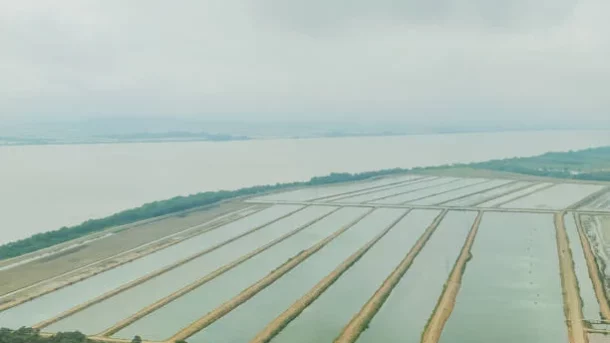
Initiatives for sustainable coastal zone place a strong emphasis on the management and conservation of coastal resources, such as fisheries, coastal ecosystems, biodiversity, and other natural resources. They seek to limit the negative effects of human activity on coastal habitats, protect and restore delicate coastal ecosystems, and assure sustainable resource usage.

Climate Change Adaptation: The efforts deal with issues brought on by coastal regions’ heightened sensitivity to extreme weather events, rising sea levels, and coastal erosion. They place a strong emphasis on the creation and application of methods to improve coastal resilience, mitigate the risks associated with climate change, and adapt to its effects.

Initiatives for Integrated Coastal Zone Management bring together a variety of stakeholders, such as government agencies, regional communities, academic institutions, and non-governmental organizations, to promote integrated approaches to coastal zone management. They want to encourage participation in decision-making, collaboration, and coordination for sustainable coastal development.

Economic Development and Sustainable Livelihoods: The projects are geared toward encouraging coastal communities to develop economically and sustainably. They promote sustainable fisheries, aquaculture, eco-tourism, coastal agriculture, and other sources of alternative income that are in line with the preservation and wise use of coastal resources.

What is the main objective of the National Mission on Sustainable Urban Transport (NMSUT)?

Sustainable Urban Transport

Promoting environmentally friendly and sustainable urban transportation systems in India is the primary goal of the National Mission on Sustainable Urban Transport (NMSUT). The Ministry of Housing and Urban Affairs, Government of India, is in charge of carrying out the NMSUT.

The National Mission on Sustainable Urban Transport primary goals typically consist of:

Reduce Pollution and Greenhouse Gas Emissions: By encouraging sustainable modes of transportation like walking, bicycling, public transportation, and non-motorized transport options, the objective is to reduce pollution and greenhouse gas emissions from urban transportation. It highlights the switch from personal automobiles to environmentally friendly modes, which aids in enhancing air quality and reducing climate change.

Improve Urban Mobility: The NMSUT aims to increase the effectiveness and accessibility of urban transportation networks in order to improve urban mobility. It entails projects aimed at creating multimodal, integrated, and well-planned transportation networks as well as enhancing public transportation services and infrastructure.

Encourage Non-Motorized Transportation: The mission aims to promote non-motorized transportation alternatives like walking and bicycling by building specialized infrastructure for these modes of transportation, making secure and practical pathways, and putting in place laws that give preference to and promote them.

What is the primary goal of the National Mission on Sustainable Himalayan Ecosystem (NMSHE)?

Himalayan

Initiatives for the sustainable Himalayan ecology strive to preserve the region’s fragile ecological balance as well as its distinctive biodiversity. The unique flora, fauna, and ecosystems of the Himalayas are the subject of their attention because they are essential to maintaining ecological stability and providing ecosystem services.

Sustainable Development: The Himalayan region is encouraged to adopt sustainable development methods by several programs. They seek to strike a balance between conservation initiatives and the local populations’ requirements for socioeconomic growth. This involves supporting ecotourism, renewable energy, organic farming, and other economically viable methods for living sustainably.

Adaptation to Climate Change: The programs take on the problems brought on by climate change in the Himalayas. They place a strong emphasis on increasing people’s capability for coping with the effects of climate change, such as melting glaciers, altered rainfall patterns, and greater susceptibility to natural disasters. As a result, it’s important to promote climate-resilient infrastructure, implement climate-smart behaviors, and create early warning systems.

Initiatives for the sustainable Himalayan ecosystem emphasize the need of including local populations in decision-making processes and giving them the tools they need to act as good stewards of their natural resources. They encourage community-based conservation and sustainable management techniques, ensuring that local communities actively participate in and are engaged in managing and maintaining their natural environment.

What is the purpose of the National Mission on Agricultural Disaster Management (NMADM)?

Agricultural Disaster

Early Warning Systems and Preparedness: Agricultural disaster management efforts seek to improve early warning systems and disaster preparedness. This entails keeping an eye on the weather, climatic patterns, and other pertinent variables in order to forecast impending calamities that can affect agriculture and to offer prompt warnings.

Reducing risks and lessening the effects of disasters on agriculture are the main objectives of the programs. This entails putting strategies into place to increase farming systems’ resilience, such as encouraging crop diversification, water and soil conservation, the adoption of climate-resilient agricultural practices, and building infrastructure to resist calamities.

Initiatives for agricultural disaster management include provisions for emergency response and relief measures to assist impacted farmers and lessen the immediate effects of disasters. To aid farmers in recovering from the consequences of disasters, this may entail offering financial support, food supplies, seeds, fertilizer, support for livestock, and other essential inputs.

Agricultural disaster management initiatives place a high priority on the rehabilitation and recovery of the devastated agricultural sector. This include fixing broken infrastructure, assisting with the rebuilding of livelihoods, easing access to loans and insurance, and giving technical support to help farmers continue farming and reconstruct their lives.

Which scheme aims to promote the cultivation of aromatic plants and essential oil production?

aromatic plants

The “Aroma Mission” or “National Aroma Mission” is one program that aims to encourage the cultivation of aromatic plants and the manufacture of essential oils in India. The Ministry of AYUSH (Ayurveda, Yoga & Naturopathy, Unani, Siddha, and Homoeopathy), Government of India, has launched the Aroma Mission with the aim of fostering the growth of aromatic plant cultivation, raising essential oil production, and assisting the aromatic industry.

The Aroma Mission’s primary goals typically consist of:

Aromatic Plant Cultivation: The objective is to encourage the growth of aromatic plants with high essential oil content. Depending on the region’s agro-climatic compatibility, it promotes farmers to grow aromatic crops like rose, lavender, lemongrass, vetiver, patchouli, and others.

Production of Essential Oils: The Aroma Mission seeks to boost the production of essential oils through the planting of aromatic plants. In order to increase the yield and quality of essential oils derived from aromatic plants, it encourages the adoption of contemporary growing techniques, agro-technology interventions, and post-harvest processing methods.

Market Promotion and Value Addition: The plan places a strong emphasis on creating connections in the market and adding value for aromatic plant and essential oils. It focuses on opening up new markets, setting up facilities for processing essential oils, assisting in the creation of quality standards, and promoting the manufacturing of products with added value including fragrances, cosmetics, herbal remedies, and aromatherapy oils.

Name a government initiative that focuses on the development of agricultural infrastructure in rural areas.

agricultural infrastructure

The “Pradhan Mantri Krishi Sinchayee Yojana” (PMKSY) is one government effort that focuses on the building of agricultural infrastructure in rural areas. The Government of India introduced the PMKSY, a centrally supported program, with the goal of providing water security and boosting agricultural production through the construction of irrigation and agricultural infrastructure.

The Pradhan Mantri Krishi Sinchayee Yojana’s main goals are as follows:

Development of Irrigation infrastructure: The program aims to increase the area served by irrigation infrastructure and encourage the effective use of water resources in agriculture. It focuses on the construction of new canals, reservoirs, check dams, lift irrigation systems, and water diversion structures, as well as the development of irrigation infrastructure. The objective is to increase irrigation water accessibility and raise agricultural output.

Watershed Development: To preserve water, recharge the groundwater, and stop soil erosion, PMKSY encourages watershed management practices and rainwater gathering methods. It encourages the creation of microirrigation systems, water storage facilities, and soil and moisture conservation techniques to increase water usage effectiveness and boost agricultural systems’ resistance to climate change.

Command Area Development: The plan places a strong emphasis on the creation of command areas as well as the efficient use of irrigation water. In order to maintain equitable water distribution and reduce water losses, it focuses on strengthening water conveyance systems, distribution networks, and water application techniques in command areas.

Which scheme aims to promote agroforestry and provide support for tree planting on farmlands?

tree planting on farmlands

The “National Agroforestry Policy” in India is one program that tries to promote agroforestry and offer funding for tree planting on farmlands. I can give you information about the National Agroforestry Policy based on its goals and usual elements, even if my understanding is limited and my knowledge cutoff is in September 2021, and there may have been updates or new efforts after then.

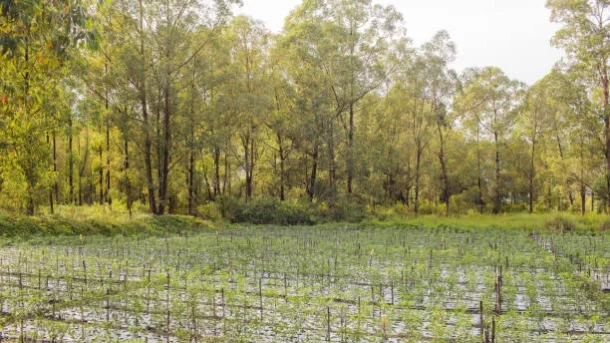
Promoting Agroforestry Systems: The goal of the strategy is to encourage the development of agroforestry systems, which entail the purposeful blending of trees with agricultural fields. In order to gain various benefits, including improved soil health, increased biodiversity, climatic resilience, and increased farm output, it encourages farmers to plant trees next to their crops or in specified patterns.

Enhancing Carbon Sequestration: Agroforestry is essential for reducing carbon emissions, preventing climate change, and encouraging environmentally friendly land management techniques. To increase carbon sequestration and help national and international climate change goals, the program encourages planting trees on farmlands.

Diversifying Income Sources: Through the sale of lumber, fruits, nuts, fodder, and other tree planting on farmlands, agroforestry systems give farmers access to new revenue streams. 

Agroforestry methods aid in preventing soil erosion, enhancing water retention, and efficiently managing available water supplies. The strategy encourages planting trees with extensive root systems because they help to stabilize the soil, stop nutrients from draining, and improve water penetration.