farming practices

How Land Preparation and Planting is done in Cherry Fruit Cultivation?

Planting

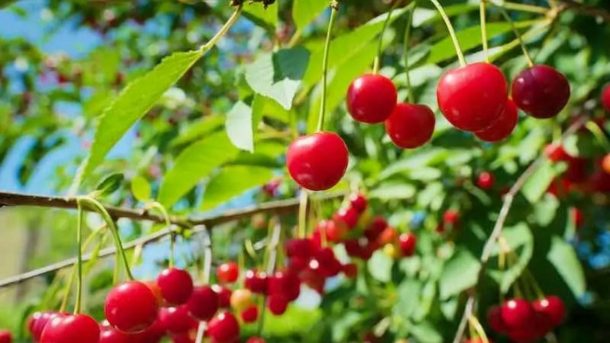
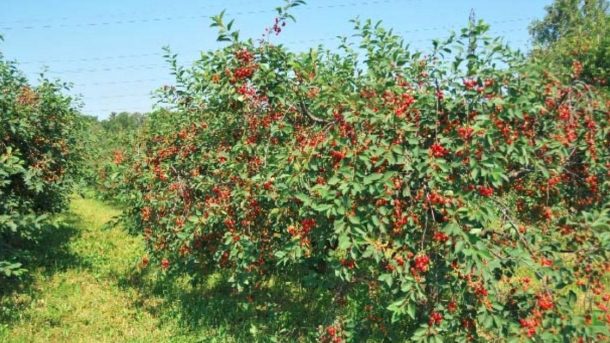
 In India, the ideal planting time for cherry is Dec to Jan and this fruit cultivation carried mainly on hilly areas on sloppy lands. Usually contour or terrace system is practiced. However, square system is practiced in valley regions. The spacing of plants depends on the rootstock used. However, a spacing of 6 x 6 meter is preferred for plants raised in seedlings. Land should be given couple of ploughings to make the soil fine tilth and weed free.

Pits size of 1 x 1 x 1m should be dug and filled with a mixture of 45 kg of well rotten farm yard manure (FMY) and 1/2 kg of super phosphate just 4 weeks before planting. Pits should be filled 15 cm above the ground level.
How Clonal Rootstock is used for propagation in Cherry Fruit Cultivation?

Clonal

Colt and Mazzard F 12/1 clonal rootstocks are commercially preferred for raising the cherry trees in the state of Himachal Pradesh. Colt rootstock is easy-to root & can be multiplied through cuttings. 40 cm length of hardwood cuttings with pencil thickness should be taken in Feb. Pre treatment of cuttings should be done with IBA (2,550ppm) for 10-12 seconds. These cuttings should be planted in nursery beds for rooting. Rooted cuttings of cherry tree should be lined out in Dec & grafted with scion variety in Mar. Tongue grafting is recommended during Feb-Mar. For grafting, the scion wood should be collected during winter time when the cherry buds are dormant. Scion wood should be packed in moss grass & then should be wrapped in moist gunny bags. Scion wood bundles should be stored at 2°C – 4°C till the use.

How Pruning is done in Hibiscus Cultivation?

Pruning

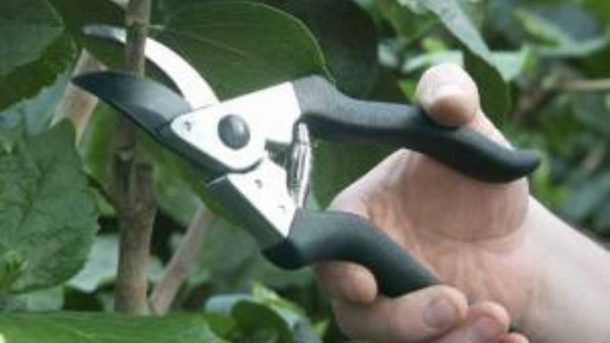
August to October is the best time for pruning hibiscus plants. Pruning should be carried out to stimulate or encourage the new growth of shoots and buds. To bring out the good shaped plant, remove all the weak and sideways growing branches and try to keep 3 to 4 main upright growing branches. One third of main branches should be cut back. In order to stop a hibiscus plant from getting too big, cut it back in early spring.

How to Propagate Hibiscus by cuttings?

Propagate

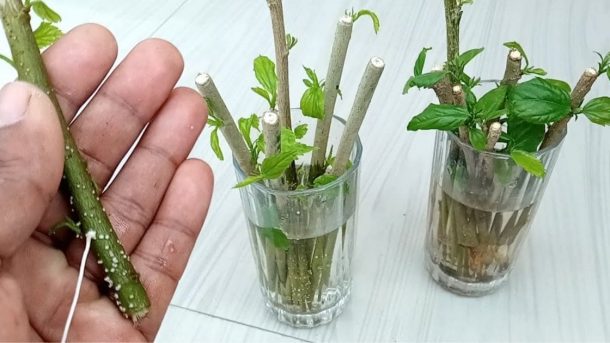
Both hardy & tropical hibiscus are propagated from cuttings. Hibiscus cuttings are generally the preferred way of propagating hibiscus because cutting will grow to be an exact copy of the parent plant. When using hibiscus cuttings to propagate hibiscus, begin by taking the cutting. The cutting must be taken from new growth or softwood. Softwood is branched on the hibiscus that has not yet developed. Softwood will be pliable & often having a greenish cast. You will generally find softwood on hibiscus in spring or early summer.

The hibiscus cutting must be four to six inches long. Remove everything but the top position of leaves. Trim the bottom of the hibiscus cutting to be cut below the bottom leaf node. Dip the bottom of the hibiscus tree cutting in rooting hormone. The next step for propagating hibiscus from cuttings is to position the hibiscus cutting in well-draining soil. Make sure the rooting soil is thoroughly wet, and then stick a finger into the rooting soil. Place the hibiscus cutting into the hole & backfill it around the hibiscus cutting. Place a plastic bag over the cutting, production sure that the plastic does not touch the leaves. Position the hibiscus cutting in partial shade. Make sure the rooting soil stays damp until the hibiscus cuttings are rooted. The cuttings must be rooted in about 8 weeks.

What is the Seed Rate and Spacing required for Carnation Flower Growing?

Seed Rate

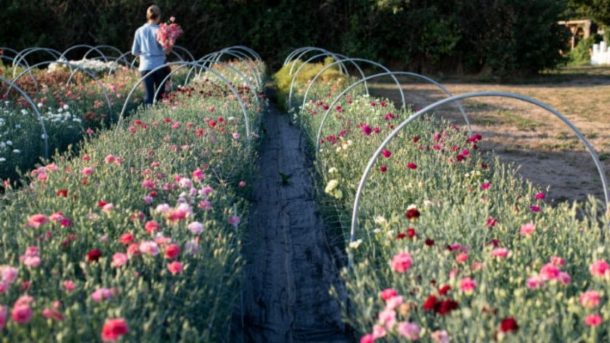
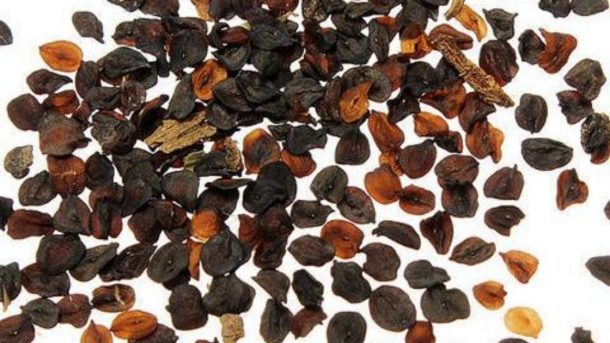
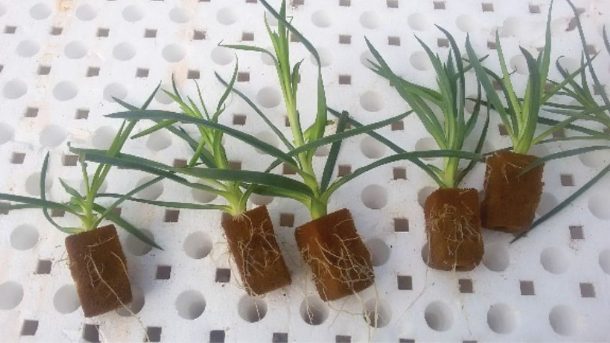
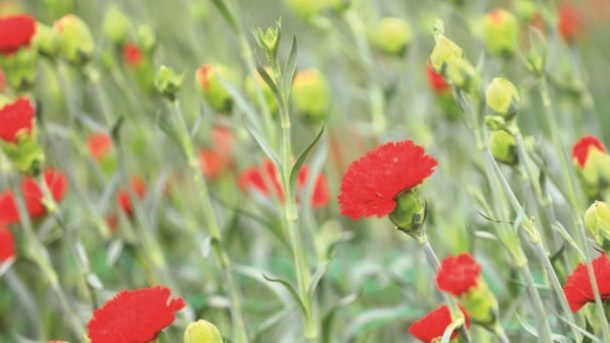
In any crop, seed rate depends on variety, planting method, soil geography, and soil type. On average, the Carnation crop requires 500 grams to cover 1-hectare land. Carnations are best suited for pot/container planting. Carnation seed will start germination within a week and seedling will become ready for transplanting within 4 weeks of sowing. Generally, spacing varies with the branching habit of the plant. The spacing’s of is 15 cm x 8 cm, 15 cm x 10 cm, 15 cm x 15 cm and 15 cm x 20 cm.

How disbudding is done in carnation?

disbudding

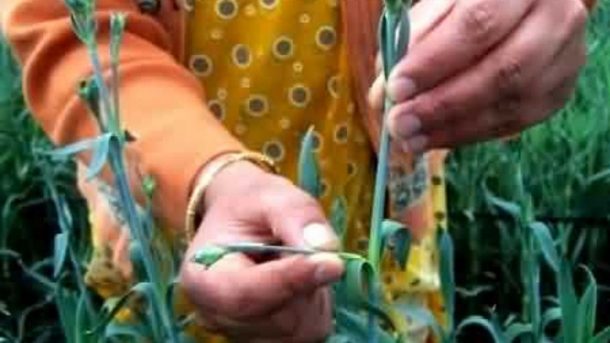
Disbudding is the process in which unwanted buds are removed to encourage the growth of the remaining removed whereas in standard carnations, buds. The disbudding process may vary from variety to variety. In spray carnations cultivars, the terminal buds should be side buds should be removed.

How pinching is done in carnation?

pinching

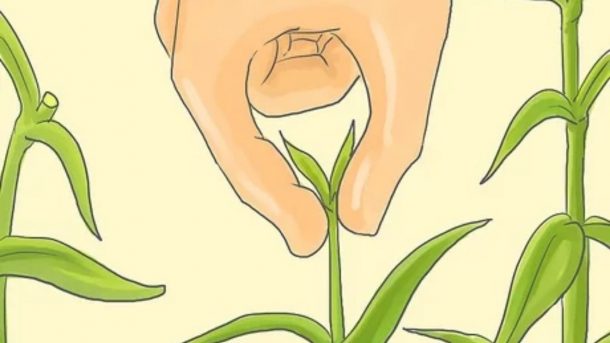
Pinching is the process of removing the growing tip of the main shoot to encourage the growth of side shoots. Carry single, one, and a half, and double pinching depending on market demand. The pinching should be carried out in the morning. Usually, the first pinching should be given when the plant attains 6 to 7 nodes which are considered as “single pinch”. This single pinching can result in six laterals, in a ‘one and a half pinch’, 2 to 3 of these lateral shoots should be pinched again. All the lateral shoots should be pinched off during “double pinching”.