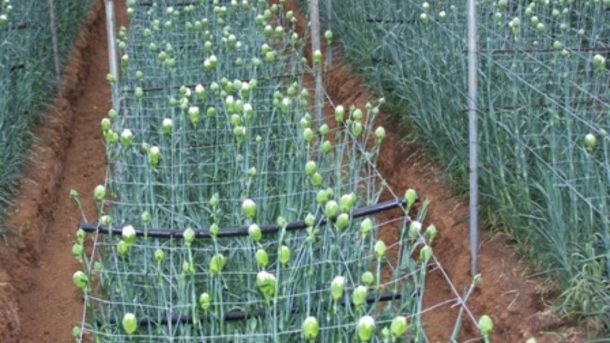
Carnation plants can bend as they grow. Hence, they require proper support for vertical growth. Supporting material like is metallic wire woven with nylon mesh can be considered.
farming practices
How sowing is done in sesame and what is space requirement for sesame Farming?
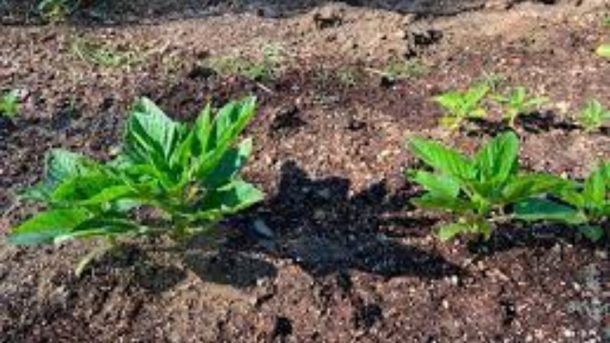
Sowing of sesame can be done in broadcast or line. However, sowing the seeds in lines is preferred. Mixing the seed with dry sand (1 time seed: 4 times dry sand) and spread the mixture along the furrows to ensure even distribution. 3cm depth is enough for sowing the seeds and cover the seeded area with soil. Make row-to-row spacing of 25 cm to 35 cm and plant-to-plant spacing of 10 cm to 20cm.
How Seed germination process occurs in Marigold cultivation?
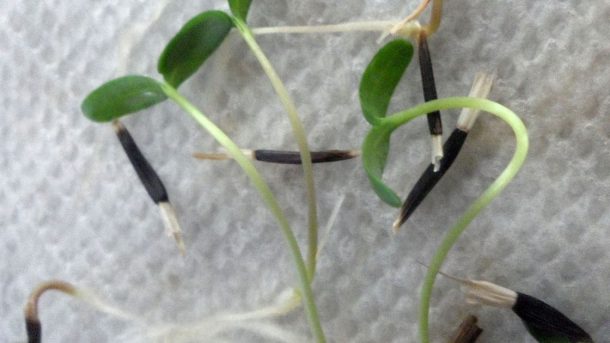
Marigold is propagated by seeds as it germinates simply and produces vigorous plants. The marigold seeds count about 300 – 350/gram. The seeds remain viable for about 1 to 2 years. The germination of fresh seeds is about 90 to 95%. The seeds germinate well at a temperature range from 18-30°C.
Begin Marigold seeds in a seed-starting flat that’s filled up until 3/4 inch from the top with sterile, moist, seed-starting mix. Sprinkle the seeds on top of the medium and sow them at a depth that equals 2 to 4 times the diameter of the seeds. Spray the soil surface with water carefully to moisten it, and then place the tray in a plastic bag or cover it with plastic wrap and this will promote soil-moisture retention.
Why and when pinching should be done in marigold?

Usually, pinching practice results in high yield of flowers. Earthing should be done after 20 days after transplanting, after 1 week of earthing up, pinching should be followed for bushy growth of marigold plant and development of lateral branches of the plant.
How Seed Sowing and Transplantation is done in Marigold Farming?

Before sowing, seeds should be treated with “Azospirillum” of 200 grams in 50 ml of rice gruel. Seeds are sown all-around the year and for raising seedlings, seeds should be broadcasted on the raised bed during May – June months. These sowed beds should be watered frequently, after 1 month of sowing or when the plant reaches about 15 cm height, these can be transplanted in the main field on one side of the ridge at 45 cm x 35 cm spacing.
How propagation is done in litchi?
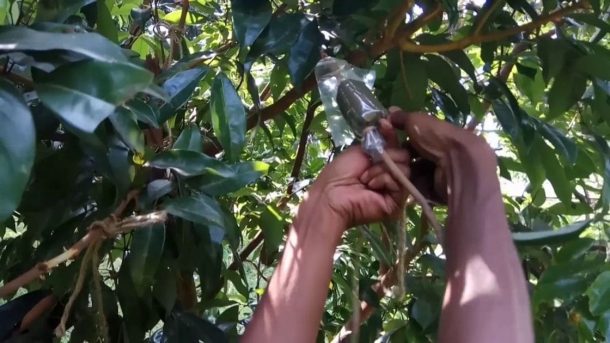
For commercial cultivation of litchi, only the plant prepared by Air layering should be used. Due to lack of parental qualities in seed plants good fruits do not come and fruiting is also delayed in them. To prepare this in the month of May-June choose a healthy and straight branch 40-50 cm from the top of the branch.
Make a 2 cm wide ring in the circle near a knot at the bottom. Applying a paste of 1000 ppm cover the honeycomb with moist moss and wrap a piece of white polythene of 400 gauge and tie it tightly with twine.
The roots are fully developed within about 2 months of tying the layering. Therefore, at this time about half the leaves of the branch were removed and cut from the main back and planted in a partially shady place in the nursery. There must be hardening required in the shed net for such type of plant.
Why pruning is important in moringa framing?
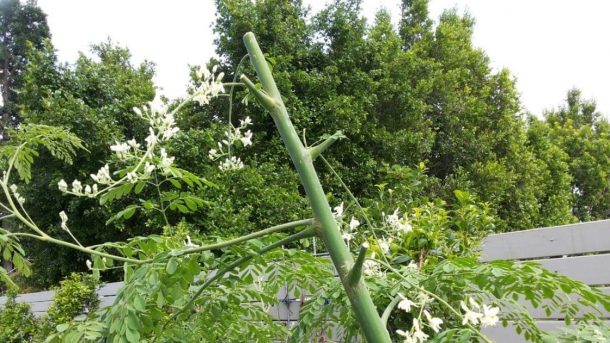
Moringa plants grow vertically long and it produces less pods when it is grown naturally also making the harvesting difficult as it grows 10 to 12 metres long. Pruning cuts the branches short by pinching the terminal bud making the trees short to 1 to 2 metres. It helps in producing more branches which leads to more flowers and fruits, and it also makes the harvesting easier.
Why trailing is done in vanilla farming?
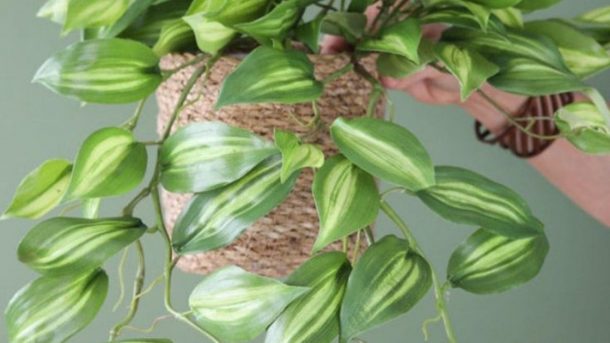
For limited growth of the plants, trailing operation is carried out and about 150-160 cm height is maintained for easy manual pollination. These plants are trailed by coiling them around the branches of the support pillars or on horizontal support such that the vines should not touch the ground.
How mulching helps to prevent erosion in vanilla farming?
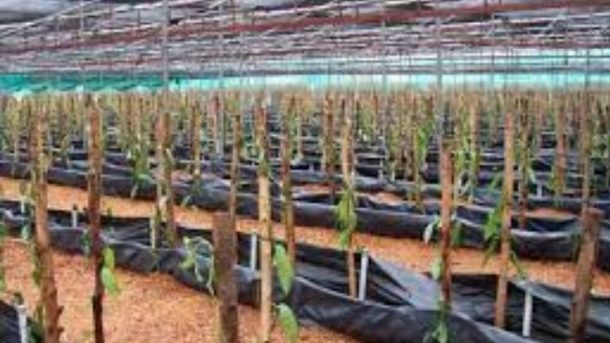
In order to protect the soil from erosion or loss of moisture, mulching is done using dried leaves or coconut leaves or husks and it is also done in order to enrich the soil fertility and weed control.
How pollination occurs in vanilla?
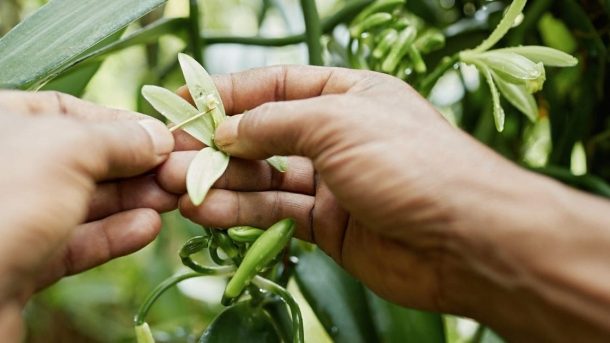
There is an absence of specific pollinating agents so natural self-pollination is not possible, hence artificial pollination is carried out by hand with the help of bamboo splinter, sharpened toothpick or a stiff grass.
The ideal time for pollinating is in the early morning period between 7 a.m. to 12 p.m. and it is preferred to pollinate only the first formed 7-10 flowers on the lower side of the inflorescence. It is recommended to take 5-6 flowers per inflorescence and not more than 10 to 12 inflorescence per vine for pollination. The pods take 6 weeks to attain full size from fertilisation but 4 to 10 months for reaching full maturity depending upon the climatic conditions.