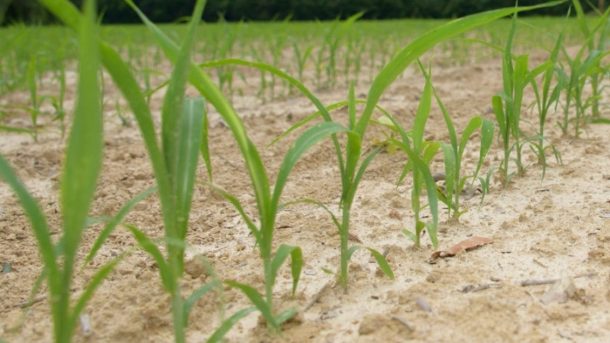
Sorghum can be planted on beds or flat ground. Sorghum row spacing ranges from about 6 to 40 inches apart or in twin rows in a variety of configurations. For higher yields will result from plantings in 20- or 30-inch rows compared to 40-inch rows or in twin rows compared to 40-inch rows or in twin rows spaced 12 to 14 inches apart on 38-to-40-inch beds. A spacing of 40 to 45 cm between the rows and 15 to 20 cm between the plants is quite satisfactory.
farming practices
How pruning is done in Jasmine plant?
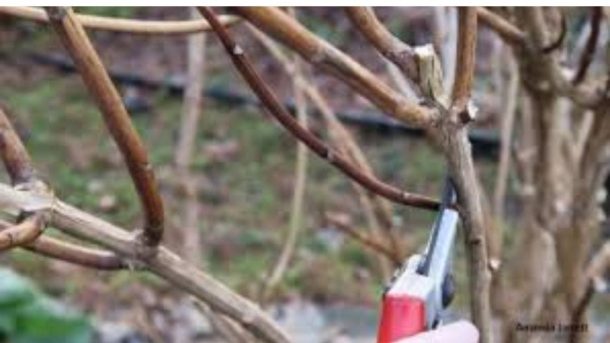
Pruning is an important activity and influences the plant growth, flower bud initiation, differentiation and ultimately the flower yield in jasmine farming. Irrigation must be stopped before pruning and plants are to be pruned to half their original length. All the leaves are stripped off after pruning. All the cut ends are smeared with a Bordeaux mixture to prevent entry of pathogens. Pruning is done at 45 cms from the ground level. Pruning is done during mid-December to mid-January results in the maximum number of branches and higher yield of flowers.
Do Almond trees need pruning?
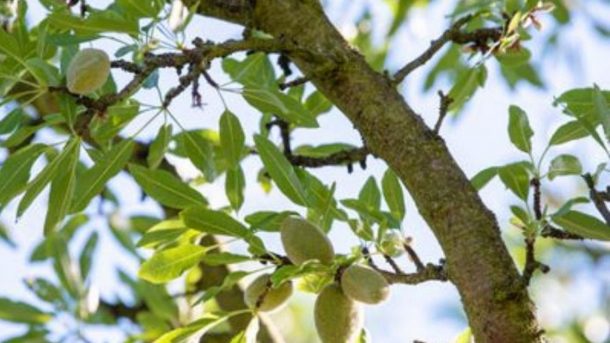
Pruning Almond trees take place again when the tree is dormant in its second growing season. At this time, the Almond tree will likely have several lateral branches and remove narrow angled secondary branches when almond tree pruning second year trees.
How propagation is done in Cocoa?
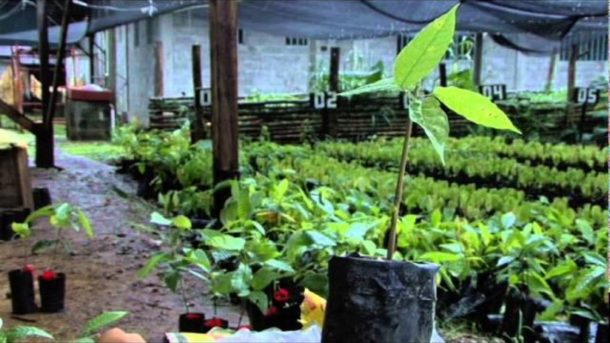
Cocoa can be propagated from vegetatively or seeds. Seed pods may be collected from trees yielding 80 or more pods per year with pod weight 350 to 400g. Before sowing Cocoa, seeds are rubbed with wood ash or dry sand to remove the mucilage. The beans are planted either in plastic bags or raised beds, with their pointed end upwards. If you are trying to sow in beds, young seedlings are generally transplanted into polythene bags after around 2 weeks of germination. The seedling is ready for transplantation to the field after they attain a height of 30 cm or around 3 to 4 months.
It can also be propagated vegetatively through softwood grafting, cuttings and forkert method of budding etc. but there are limits at present for implementing vegetative propagation one a commercial scale.
How often does aloe Vera need watering?
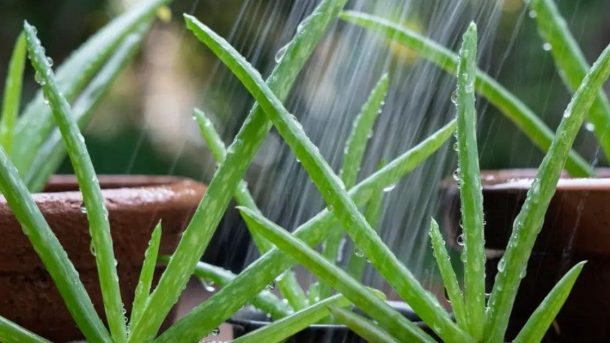
Aloe Vera plants need to be watered deeply, but care should be taken so that the soil is allowed to dry before the next watering session. Watering once in three weeks is a better option if you have Aloe Vera in your kitchen garden. For commercial cultivation of Aloe Vera, 4 to 6 irrigation cycles should be sufficient during the entire growing process, i.e., a plant requires 150 ml of water per month so as to produce a leaf of 1 kg weight.
Does the guava tree need a lot of water?
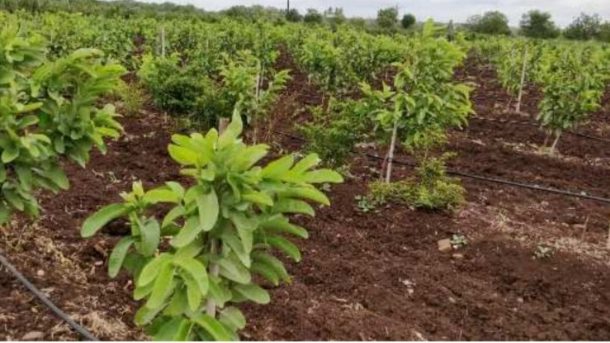
Guava trees prefer full sun. Guavas have survived dry summers with no water, though they do best with regular deep watering. The ground must be allowed to dry to a depth of several inches before watering again. Lack of moisture will delay bloom and cause the guava fruit to drop.
What is the best fertilizer for cultivating the pomegranate tree?
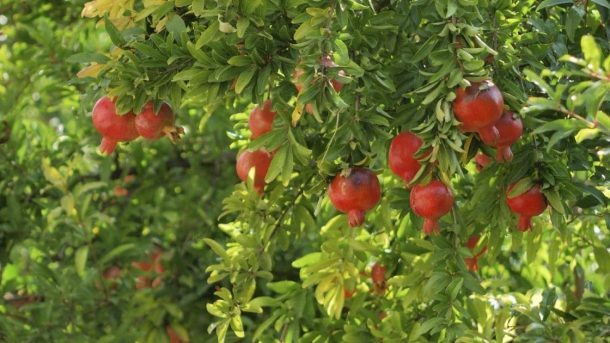
The pomegranate tree needs adequate nitrogen for best growth, as nitrogen supports the growth of foliage and production of flowers that eventually set fruit. And can use ammonium sulfate, a high nitrogen fertilizer or a balanced 10-10-10 formula, starting in spring after the pomegranate tree begins to show new growth.
Why is Aquaponics so important?
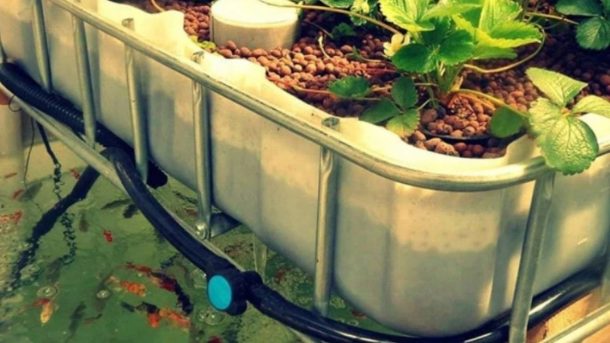
Aquaponics has become increasingly important because of the unending benefits it offer to the urban population. The major factor that makes it important is 90% less water consumption when compared to traditional farming. This system encourages the growth of the plants throughout the entire year with minimal use of chemicals solving the food security and safety possible for the present population. This system also helps people in drought struck areas to produce food which is an interesting and attractive feature.
What are the advantages of Aquaponics?
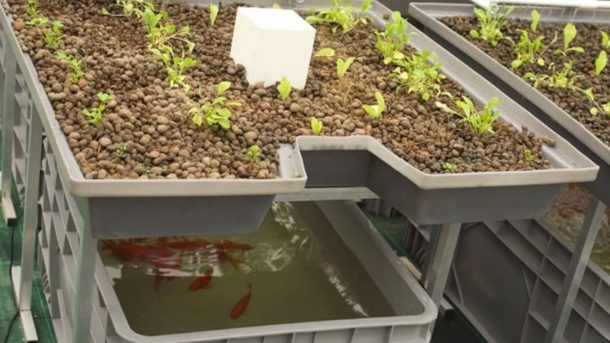
The major advantages of Aquaponics are Low water and power usage, environmentally friendly, Basic inputs to the system are fish feed and water, no use of chemical fertilizers and less use of pesticides, Easy and fast to grow plants, less occurrence of diseases, Crop produce is available all year round, Higher production, A variety of crops and fish can be grown in one system, Revenue is higher because of the fish and crop produce simultaneously, Use less land.