
Raw manure or any other animal or plant matter should be handled carefully before applying to the farm so that it doesn’t contaminate the soil, water and crop. The manure must have to be composted properly so that harvesting can be done without any restriction. It is important to note that leafy crops which remain in contact with the soil should be harvested 120 days after the application of uncomposted manure and other vegetables or crops.
farming practices
What is dibbling method?
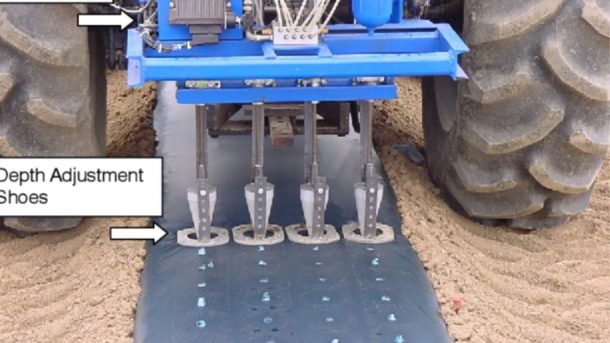
Dibbling is a method of cultivation, which uses an instrument called dibbler to plant seeds into the soil. A dibbler is a pointed stick that creates hole in the ground and plants the seed or seedling into it. Dibbling is not just placing the seedlings into the hole; it is used in conjunction with another process called puddling. Puddling is planting a seedling into a small hole filled with water in the ground.
What are the methods of planting crops in the farm?
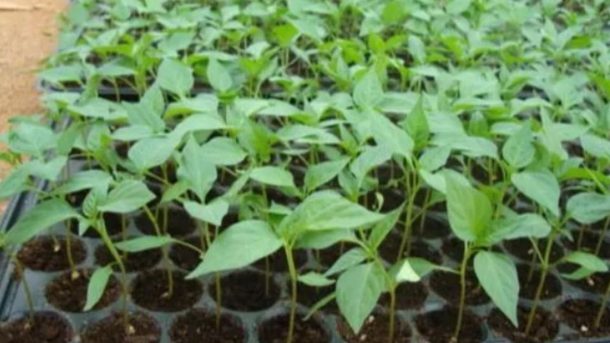
There are two major ways in which planting could be done are direct seeding and transplanting. Direct seeding refers to planting the seeds in the fields for growing crops, whereas transplanting refers to planting saplings or seedlings that have been grown in nurseries from seeds.
Why tillage is important?
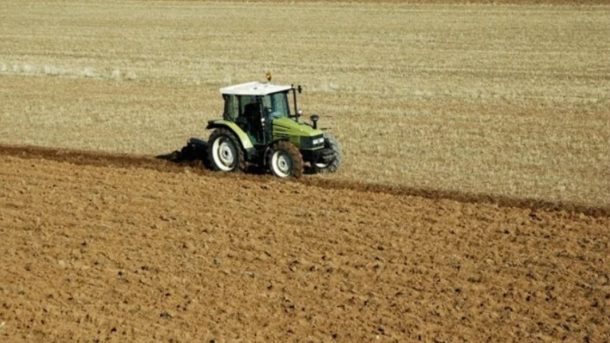
Tilling is deep ploughing the land almost to the depth of 8-10 inches while preparing the soil for cultivation. When the soil condition is very poor, then a large quantity of organic matter has to be incorporated into it and this can be done only by tilling this soil. Other important reasons for tilling the soil could be facilitating air circulation, decomposition etc. tilling can be done in many ways and is expected to have its own advantages and disadvantages.
What is farming and what are the different types of farming systems in India?

The process of growing crops and rearing animals for food and raw materials like vegetables, fruits, milk, fibre, meat etc. is called farming. Under the broad spectrum of agriculture, farming is considered a small category which involves production of flowers, fruits, biofuels, drugs, fibres, nursery plants, manure and leather.
The different types of farming systems practiced in India are:
Subsistence farming, Shifting agriculture, Plantation agriculture, Intensive farming, Dry agriculture, mixed farming, crop rotation, sedentary farming, Terrace cultivation.
What is contour farming?

The process of planting across a slope following its elevation contour lines. In this practice the ruts made by the plough are perpendicular to the slope rather than being parallel. Plants break the flow of water and prevent soil erosion, thereby making contour farming a sustainable way of farming.
What is ley farming?
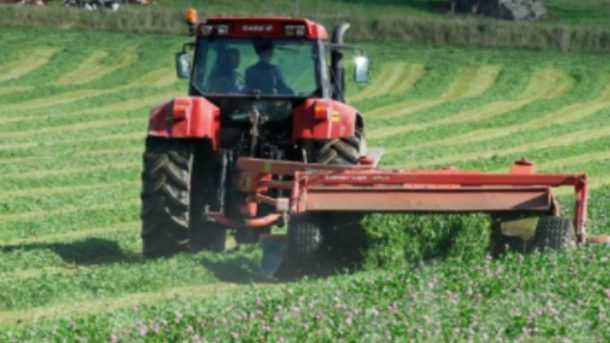
Farming is very difficult in dry lands because of water scarcity and lack of soil fertility, so a method of farming was introduced to restore the fertility of the soil and was known as ley farming. In this method of farming, grasses were grown in rotation with food grains to boost the nutrient level of the soil. It acts as an insurance against crop failures due to drought conditions.
What is the plantation procedure followed in cinnamon?
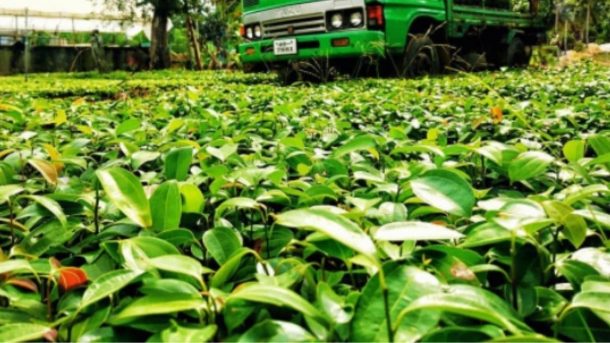
Should dig pits of 50 cm at a spacing of 3 meters by meters. They should be filled with organic compost and top soil before plantation. To get establishment of seedlings, cinnamon should be planted from June to July to take advantage of monsoon. One-year seedlings are planted. In each pit, 4 to 5 seedlings can be planted. The seeds are directly dibbled in pits in some cases that are filled with organic compost and soil. Partial artificial shade in the initial stages of cultivation is beneficial for the healthy and rapid growth of cinnamon plants.
How to plant cloves?
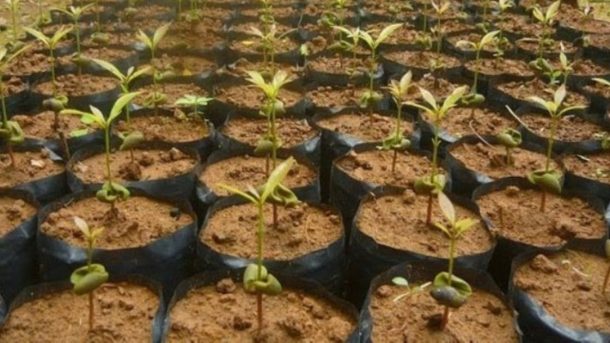
The best time for clove plantation is at the onset of South-west monsoons (June to July). In low lying areas, the best time for clove cultivation is towards the end of monsoons. The pits of 75 centimetre× 75 centimetres× 75 centimetres in size ar3e dug at a spacing of 6 to 7 meters. If cloves are planted as an intercrop, the spacing should be based on the spacing of the major crop in the field. The dug pits should be partially filled with cattle manure, compost or green leaf should cover with top soil. Clove plants prefer partial shade. It grows well at higher elevations, having well distributed rainfall. For Indian conditions, it is well suited for mixed cropping in older coconut or in coffee estates or in nut gardens.
How to propagate betel leaves?

In betel leaves propagation, stem cuttings having 3 to 5 nodes are used and these are planted in such a fashion that 2 to 3 nodes are buried in the soil. A single node cutting with a mother betel leaf is also planted. Apical and middle portions cuttings of the betel vines are used for planting. There are 2 types of betel leaf cultivation is practiced in India:
- Open system cultivation using support plants
- Closed system cultivation using rectangular structures.