Irrigation

How can IoT improve farm management and efficiency?

farm management

The Internet of Things (IoT), which offers real-time data, automation, and remote monitoring capabilities, has the potential to greatly increase farm management and efficiency. Several methods that IoT can improve agricultural management are listed below:

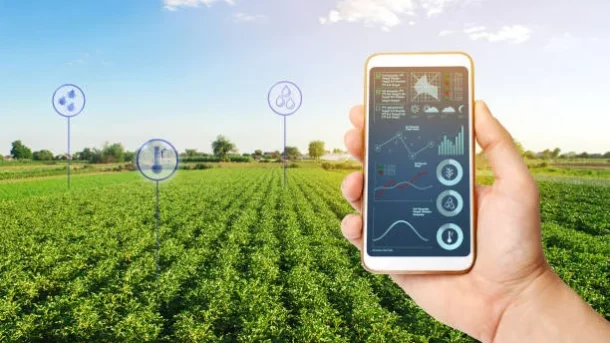
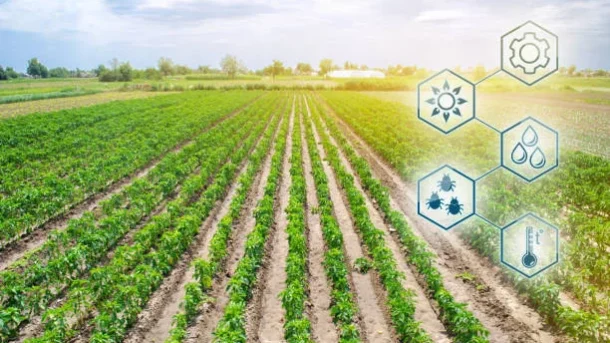
Precision farming: Real-time data collection on soil moisture, temperature, humidity, and nutrient levels is possible using IoT sensors and devices. To make irrigation schedules, nutrient treatments, and crop management procedures more effective, this data can be examined. With the help of precision agriculture, farmers can make informed decisions that maximize crop yields and ensure that resources are used effectively.

Remote management: Farmers can remotely monitor and manage their farms thanks to IoT. Farmers may obtain data regarding environmental conditions, crop health, and livestock status at any time, anywhere, thanks to connected equipment and sensors. 

Systems for automation and control: IoT technology makes it possible to automate and farm management a variety of farm operations. Connected devices can control greenhouse settings, irrigation systems, lighting cycles, and livestock feeding systems. Automation lessens the need for manual labor, boosts operational effectiveness, and provides precise and constant management of crucial activities.

Management of livestock: IoT devices can be used to track the whereabouts of livestock, track their health, and offer real-time information on their activity. Wearable sensors and other connected devices can track eating habits, look for disease symptoms, and offer information on the general health of the animals. Farmers may improve livestock management techniques, identify health issues early, and optimize feeding regimens with the use of this information.
How does CEA optimize resource utilization?

resource

Controlled environment agriculture (CEA) effectively manages inputs like water, energy, nutrients, and space to maximize resource usage. Here is how CEA systems optimize resource:

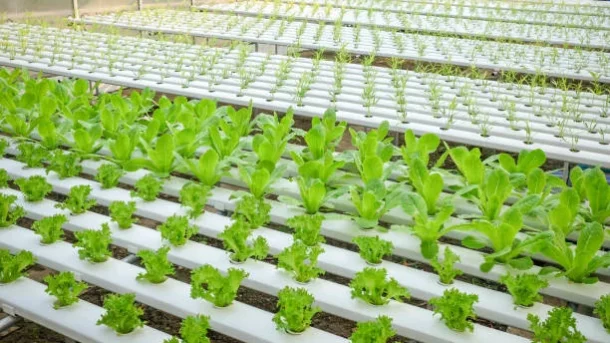
Efficiency in terms of water use: Compared to conventional agriculture, CEA systems use less water. Water is reused within the system through technologies like hydroponics and recirculating irrigation systems, lowering overall demand. Recirculating nutrient-rich water reduces surplus discharge. Furthermore, CEA permits precision irrigation management, providing water to the root zone directly, avoiding evaporation, and eliminating water waste.

Energy effectiveness: CEA systems put an emphasis on energy-efficient procedures to lower energy usage. It is usual to utilize LED lighting because it uses the least amount of energy while yet giving the right kind of light spectrum for plant growth. In order to maximize energy efficiency, climate control systems use insulation.

Management of nutrients: CEA systems, particularly hydroponic and aquaponic ones, maximize nutrient uptake by giving plants precisely the right amounts of nutrients. Plants are able to efficiently absorb the necessary nutrients thanks to the careful formulation of nutrient solutions and their delivery to the roots. This targeted distribution reduces nutrient loss and leaching, improves nutrient uptake, and has a smaller negative impact on the environment.

Space usage: CEA systems maximize space utilization, especially in cities or other places where there is a shortage of available land. High plant densities are possible with vertical farming, which grows plants in stacked layers or shelves to make efficient use of vertical space. By removing the need for soil and allowing plants to grow in a smaller area, hydroponic and aeroponic systems maximize available space. Increased space efficiency allows CEA systems to produce more food in a less amount of space.

What are the benefits of aquaponics?

aquaponics

Comparing aquaponics to hydroponics or standalone aquaculture, as well as traditional agriculture, there are various advantages. The following are some of the major advantages of aquaponics:

Utilizing resources effectively: By integrating plant and fish cultivation in a symbiotic system, aquaponics increases resource efficiency. By recycling the nutrients in fish waste and using them as fertilizers for plant growth, the demand for external inputs like synthetic fertilizers is decreased. Water is continuously recirculated between the fish tanks and the plant beds in the closed-loop system to reduce water usage. Aquaponics is incredibly sustainable and environmentally benign due to this effective resource usage.

Water usage is decreased since aquaponics need so little water to operate. With just minor water losses from evaporation and transpiration, the system continuously recycles the water. 

Produce that is chemical- and organic-free: Aquaponics encourages organic farming methods because it does away with the need for artificial fertilizers, pesticides, and herbicides. Natural nutrients from fish waste are used by plants to develop, and the plants also serve as a biological filter to clean the water for the fish. Produce produced as a result is chemical-free and naturally cultivated, which may appeal to consumers looking for wholesome and sustainable food options.

Crop production all year round: Aquaponic systems can be installed in climate-controlled spaces like greenhouses or indoor facilities. This makes crop production year-round and independent of seasonal changes and outside weather conditions. Farmers can establish ideal growth conditions by regulating the temperature, humidity, and lighting, providing a steady supply of fresh vegetables all year long.

How does aquaponics combine fish farming and plant cultivation?

fish

Hydroponic plant cultivation and fish farming are combined in aquaponics to create a symbiotic ecosystem that benefits both the plants and the fish. These two elements are combined in aquaponics as follows:

Aquaculture, or the raising of fish:

In tanks or ponds, fish are raised as a source of protein and as a source of revenue.

The fishes excrete solid waste and urine that is high in ammonia.

Ammonia is transformed by helpful bacteria in the system into nitrites, which are then converted into nitrates, which are nutrients for plants.

Growing plants in hydroponic systems:

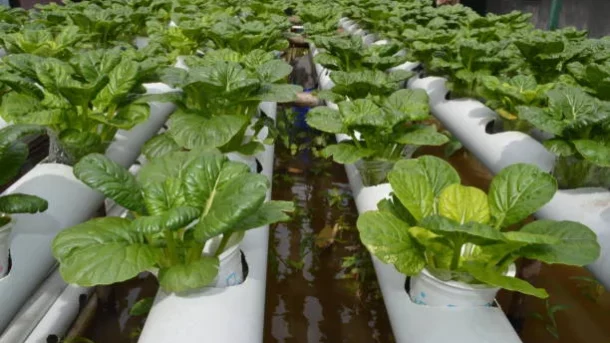
In a soilless media like gravel, expanded clay pellets, or a floating raft system, plants are grown.

The plants are positioned in grow beds or channels with nutrient-rich water flowing over their roots.

The nutrients from fish excrement are cycled in the water too.

Following is a succinct summary of the symbiotic relationship between fish and plants in aquaponics:

Exchange of nutrients: The ammonia-containing fishes feces serves as a source of nitrogen for the plants. Beneficial bacteria transform ammonia into nitrites and nitrates. The plants use these nitrates as their main source of nutrition, which helps to accelerate their growth.

Water filtration and purification: Plants serve as natural filters that remove harmful impurities like ammonia and excess nutrients from the water. The roots of the plants collect nutrients as the water flows through the plant beds, purifying and enhancing the water’s quality. A continuous cycle is then maintained by returning the cleansed water to the fish tanks.

What is aquaponics?

aquaponics

Aquaponics is a sustainable farming technique that integrates hydroponics (soilless plant cultivation) and aquaculture (fish farming) in a mutually beneficial system. In a closed-loop system, the plants serve as a natural filter to clean the fish’s water while the fish’s excrement supplies nutrients to the plants. It is a holistic and environmentally responsible method of food production.

Aquaponics’ main components and advantages include:

Aquaponics uses the nitrogen cycle to recycle nutrients in a closed-loop system. The primary source of nutrients for the plants is fish feces, and when the plants absorb the nutrients, they filter the water and remove dangerous contaminants. Aquaponics is an environmentally sustainable agricultural technique because the closed-loop system decreases nutrient runoff and reduces the need for external fertilizers.

Water efficiency: When compared to conventional agriculture, aquaponics uses a lot less water. The system continuously circulates water, with only a small amount of water being lost to evaporation and transpiration. Due to water conservation and recycling within the system, aquaponics utilizes up to 90% less water than soil-based farming.

Production of fish and plants together is possible with aquaponics, which enables the growth of both in the same system. The plants profit from the nutrient-rich water and grow without soil while the fish serve as a source of protein and earn money. A symbiotic relationship is created when fish and plants are combined in one system, which encourages effective resource use and lowers waste.

Less dependency on outside inputs: Aquaponics reduces the need for artificial fertilizers and pesticides. A natural and organic source of plant nutrients, fish excrement is rich in nutrients. Furthermore, the closed-loop system lessens the possibility of nutrient leaking and runoff, making aquaponic a sustainable and environmentally benign agricultural technique.

What are the advantages of aeroponic systems?

systems

When compared to alternative growing techniques, aeroponic systems have a number of advantages that make them a desirable option in some situations. Some of the major benefits of aeroponic systems include the following:

Effective use of water: One of the most water-efficient growing techniques is aeroponics. Aeroponic systems distribute water directly to the plant roots in a highly targeted manner using a thin mist or spray. With this focused application, less water is wasted and water usage can be precisely managed. Aeroponics may conserve a lot of water as compared to hydroponics or conventional soil-based farming.

Maximum oxygen availability: Aeroponics suspends the roots in the air, which supplies them with a constant flow of oxygen. This encourages strong root growth and effective nutrient uptake.

Improved nutrient uptake: In aeroponics, the roots may acquire nutrients more quickly thanks to the misting or spraying of nutrient-rich water. Better interaction between the nutrient solution and the root surface is made possible by the small droplets penetrating the root zone. In comparison to other growing techniques, this makes it easier for nutrients to be absorbed quickly by plants. Aeroponic systems can therefore encourage quicker development and greater nutrient uptake effectiveness.

Disease risk is decreased thanks to aeroponic systems, which are more resistant to soil-borne infections and illnesses. Having no direct touch with soil or a growing media, the roots reduce the possibility of pathogen spread. Aeroponics’ intermittent misting or spraying of the nutrient solution also prevents pathogen growth and contributes to the development of an adverse environment.

How does aeroponics differ from hydroponics?

aeroponics

Modern agriculture uses both soilless growth techniques, hydroponics and aeroponics, but they differ in how they supply water and nutrients to plants. The following are the primary distinctions between hydroponics and aeroponics:

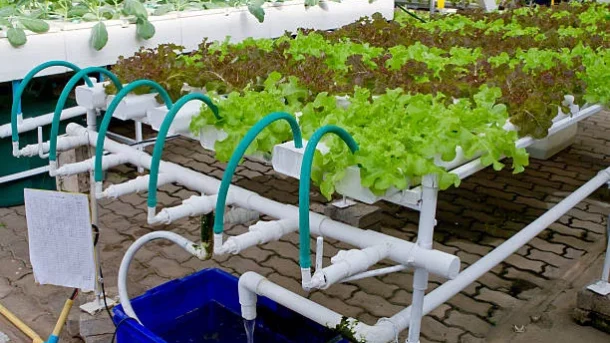
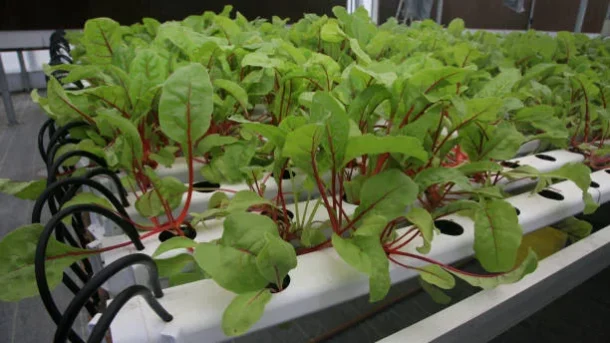
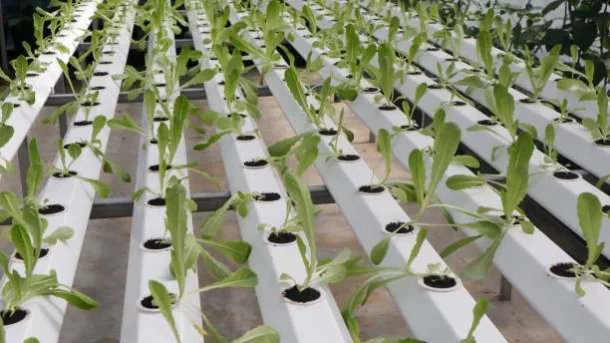
Water and fertilizer delivery: In hydroponics, plants are grown either directly in a nutrient-rich water solution or in a soilless media (such as perlite, coco coir, or rockwool). The nutrition solution is continuously submerged or partially submerged over the roots, supplying them with water and vital nutrients.

Plants are grown with aeroponics while having their roots floating in the air. Instead of being submerged in a nutrient solution, the roots are periodically sprayed or misted with nutrient-rich water using specialist misting or fogging devices. 

Air gaps in the growing media or an oxygenating system are two common ways that hydroponic systems deliver a steady flow of oxygen to the plant roots. The constant interaction of the roots with the nutrient solution in hydroponics, however, can reduce the amount of oxygen available.

The roots of aeroponic systems are very air-exposed. Due to the roots’ direct access to oxygen in the surrounding air, oxygen availability is maximized. In aeroponics, the nutrition solution is intermittently misted or sprayed, ensuring that the roots obtain water and nutrients while still having plenty of access to oxygen.

Environment and growth of the roots: In hydroponics, the roots are frequently formed and fully or partially submerged in the nutrient solution or growing media.

 What are the advantages of hydroponic farming?

farming

There are a number of benefits to hydroponic farming over conventional soil-based agriculture. The following are some major benefits of hydroponic farming:

Effective use of water: Compared to conventional soil-based agriculture, hydroponic systems significantly use less water because water is circulated inside the system. Because the water is fed directly to the plant roots, hydroponics can use up to 90% less water by reducing evaporation and runoff. Hydroponics’ regulated atmosphere also stops water from being wasted through overwatering or ineffective irrigation techniques.

Control of nutrients: In hydroponic farming, vital nutrients are dissolved in water and delivered right to the roots of the plants. This makes it possible to precisely manage the content, concentration, and pH levels of the nutrients, ensuring that plants get the right amount of nutrients for growth. 

Increased crop yields: Plants thrive under hydroponic systems’ perfect growing conditions. In comparison to conventional agriculture, plants can grow more quickly and create better yields with the proper ratio of nutrients, water, and sunshine. Hydroponics’ carefully regulated environment rids plants of soil-borne pathogens and pests, lowering crop losses and enabling them to grow to their full potential.

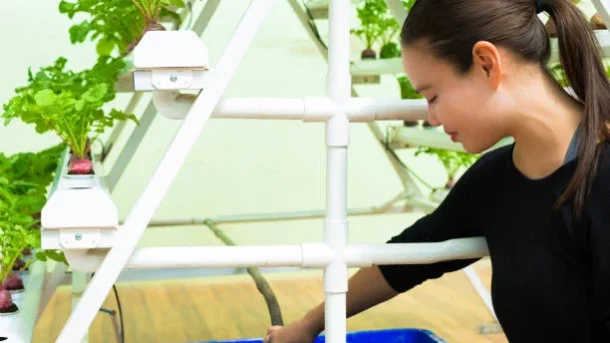
Hydroponic systems are created to make the most of available space. In contrast to conventional soil-based techniques, plants are grown vertically or closely together in these arrangements. Because of this, hydroponics is especially well suited for metropolitan settings or places where there is a shortage of available land. Hydroponics can grow more food with less space by stacking systems and utilizing vertical space.

How does vertical farming conserve water compared to traditional agriculture?

How does vertical farming

Reduced evaporation of irrigation water: In conventional agriculture, irrigation water is applied to the soil’s surface, where it is evaporated. Before the plants can absorb the water, this might result in severe water losses. Soilless growth methods like hydroponics and aeroponics are frequently employed in vertical farming. Direct water delivery to plant roots, reduction of evaporation losses, and efficient plant water uptake are all components of these techniques.

Water recirculation: Closed-loop irrigation systems, in which water is recycled inside the system, are frequently utilized in vertical farming systems. The plants receive nutrient-rich water, and any extra that is not absorbed by the roots is collected, filtered, and returned to the plants. When compared to conventional agriculture, this recirculating technology considerably reduces water use.

Watering that is exact and targeted: Water delivery can be managed with precision in vertical farming. Water can be applied in exact amounts and at specified times based on plant needs by employing sensors and automated systems. This method of targeted watering guarantees that plants get the ideal quantity of moisture needed for growth while minimizing water wastage.

Water-efficient growing mediums: Soilless growing mediums like rockwool, coco coir, or perlite are frequently used in vertical farming. These growing media offer high drainage capabilities and water-holding capacity, enabling for effective water use. They prevent waterlogging and provide a sufficient supply of oxygen to the roots by retaining moisture around the roots while also allowing excess water to flow.

What is vertical farming?

What is vertical farming

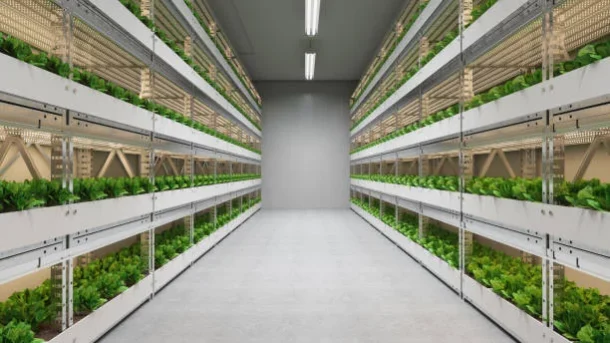
Vertical farming is a technique for growing plants in vertically stacked layers or structures, usually inside in places like warehouses, skyscrapers, or facilities made specifically for vertical farming. It entails using soilless growing media, artificial lighting, climate control, and other controlled environment agriculture (CEA) techniques to provide the best possible growing conditions for plants.

The following are some essential qualities and traits of vertical farming:

To make the most of the vertical space available, plants are cultivated in numerous stacked layers, frequently on shelves or racks. Compared to conventional horizontal farming techniques, this enables a substantially higher crop density.

Indoor farming: Vertical farming systems are frequently installed in climate-controlled indoor spaces that offer total control over variables like temperature, humidity, light intensity, and photoperiod. 

Artificial lighting systems, including light-emitting diodes (LEDs), are used in vertical farms to supply the appropriate light spectrum and intensity for photosynthesis because natural sunlight may be scarce in enclosed spaces. These lighting setups can be adjusted to a crop’s individual needs, encouraging optimum growth and development.

Hydroponics or aeroponics: Soilless growth methods like hydroponics or aeroponics are frequently used in vertical farming. While aeroponics involves suspending plant roots in the air and regularly spraying them with a nutrient solution, hydroponics includes growing plants in a nutrient-rich water solution. These techniques allow for accurate fertilizer delivery to the plants while also maximizing resource utilization and water efficiency.