The Internet of Things (IoT), which offers real-time data, automation, and remote monitoring capabilities, has the potential to greatly increase farm management and efficiency. Several methods that IoT can improve agricultural management are listed below:
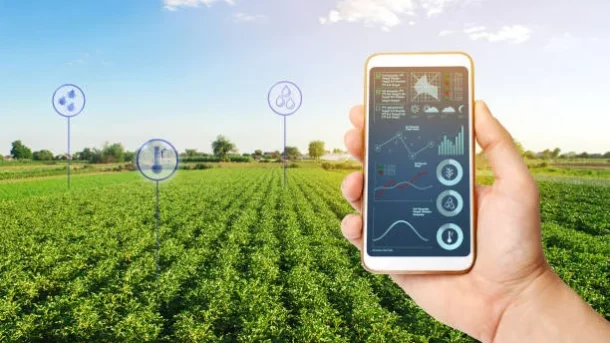
Precision farming: Real-time data collection on soil moisture, temperature, humidity, and nutrient levels is possible using IoT sensors and devices. To make irrigation schedules, nutrient treatments, and crop management procedures more effective, this data can be examined. With the help of precision agriculture, farmers can make informed decisions that maximize crop yields and ensure that resources are used effectively.
Remote management: Farmers can remotely monitor and manage their farms thanks to IoT. Farmers may obtain data regarding environmental conditions, crop health, and livestock status at any time, anywhere, thanks to connected equipment and sensors.
Systems for automation and control: IoT technology makes it possible to automate and farm management a variety of farm operations. Connected devices can control greenhouse settings, irrigation systems, lighting cycles, and livestock feeding systems. Automation lessens the need for manual labor, boosts operational effectiveness, and provides precise and constant management of crucial activities.
Management of livestock: IoT devices can be used to track the whereabouts of livestock, track their health, and offer real-time information on their activity. Wearable sensors and other connected devices can track eating habits, look for disease symptoms, and offer information on the general health of the animals. Farmers may improve livestock management techniques, identify health issues early, and optimize feeding regimens with the use of this information.