Blockchain technology offers a decentralized, unchangeable, and secure mechanism for storing and exchanging data, which has the potential to improve traceability and transparency in the food supply chain. Here are a few ways blockchain might enhance traceability and transparency:
Supply chain visibility is made possible by blockchain, which enables the development of a digital ledger that tracks each transaction and movement of food supplies. Farmers, processors, distributors, retailers, and consumers are just a few of the parties who have access to and can verify this decentralized ledger. As a result, the entire supply chain is visible, enabling all parties to track and trace the location of food goods as well as their production, transit, and storage operations.
Product authentication: By providing a tamper-proof record of each product’s travel, blockchain can assist fight food fraud and counterfeiting. Customers and sellers may confirm the legitimacy and quality of the goods they buy by recording information about the product’s origin, certificates, quality testing, and other pertinent details on the blockchain. This strengthens the supply chain’s credibility.
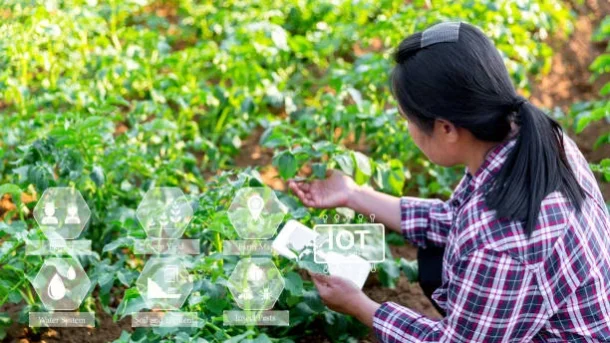
Assurance of quality and safety: Blockchain can make it possible to monitor crucial variables in real-time, including temperature, humidity, and storage conditions. Blockchain technology allows for the immutable recording and storage of data related to these characteristics using IoT sensors and devices. At any stage in the supply chain, this information is accessible, ensuring that food products are transported and stored properly to maintain their quality and safety.