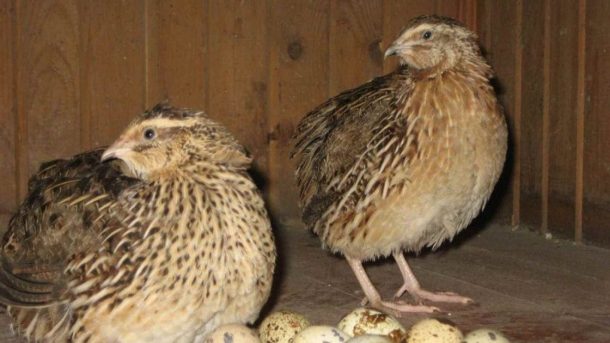
In successful breeding process, the ratio of male and female quails should be proper. A successful breeding ratio is 5:1. One should buy an incubator for hatching eggs, as quails don’t hatch their eggs.
Livestock
How feeding is done in Quail farming?
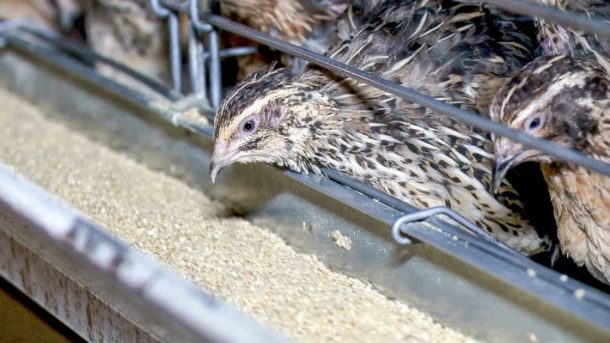
The feeding materials for the quails are tiny pieces of broken wheat, kipper fish, rice bran, sesame cake, broken oyster shell etc. In quail farming, feed management is very important, they need a well-balanced diet. A well-balanced diet guarantees healthy and productive birds which results in expected profits. The feeding cost for quails is very less, as they don’t consume much food. An adult quail bird consumes 30-35 grams food daily. A quail chick feed should have 25 to 27% proteins and an adult quail feed should contain 22-24% proteins. Poultry feed producing companies are producing commercial feeds for quails, these commercial feeds have all necessary proteins in an exact quantity, which makes you feeding job easy. Along with well-balanced and nutritious feed, provide clean and fresh water.
How disease management is done in Quail farming?
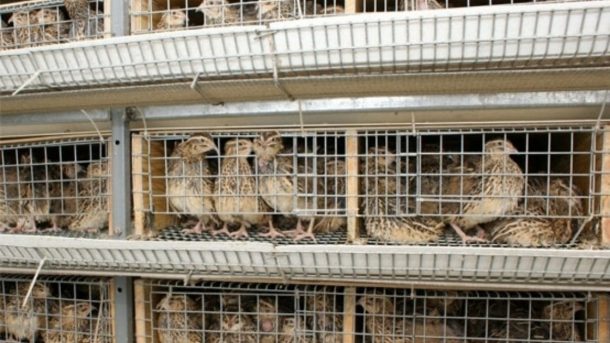
Generally, diseases in quails are less compared to other birds. However, proper care result in less death rate and good profits. There is no vaccination required in quail farming. Daily cleaning and keeping the farm or floor dry, providing clean water, feeding of quality concentrates, disinfecting the entire farm, proper ventilation for air flow and light will make the environment diseases free. As part of the other disease preventive measure, make sure to separate the sick birds form healthy quails. If the birds are dead, burn them immediately. Don’t mix up different age groups of quails. Maintain the hygienic conditions in the farm throughout the quail growth.
How many types of breeds are there in Quail farming?
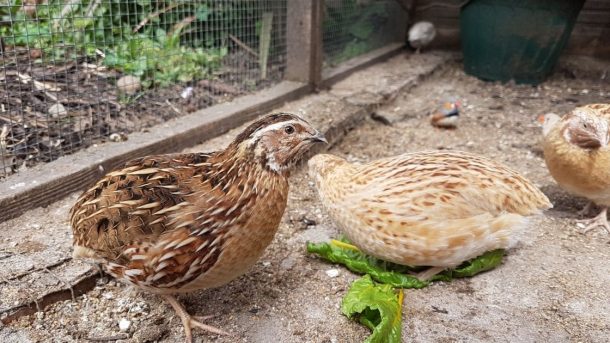
There are two types of breeds, broilers and layers.
Broiler Quail breeds: Bobwhite (American), white Breasted (Indian).
Layer Quail breeds: British Range, Tuxedo, English white, Pharaoh and Manchurian Golden.
What are the characteristics of Quail bird?
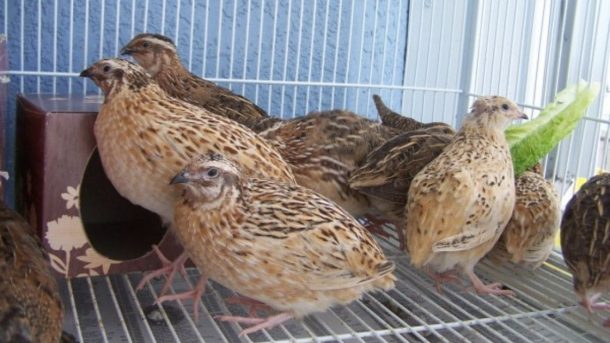
Quail birds are small in size and an adult quail weigh about 200 grams. Quail eggs weighs about 10 to 15 grams. Quail start laying eggs within 7 weeks and they lay one egg daily. Quails lay about 300 eggs in the first year. Thereafter, their egg laying capacity will be going down every year. Quail eggs look beautiful due to multi color. For hatching quail eggs, incubator or brooder chickens should be used as they do not incubate on their own. The incubation time for quail egg is about 15 to 18 days.
What are the advantages of Quail farming?
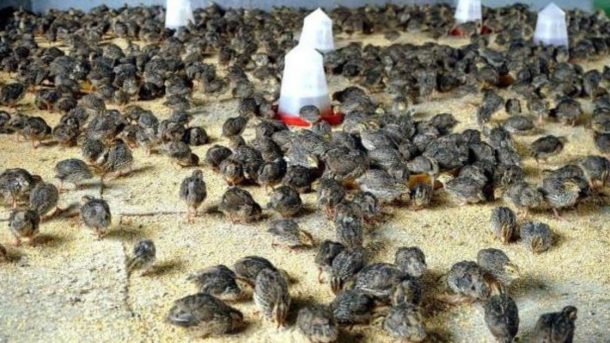
Quail farming requires the smallest initial expenditure than any other bird. Quails are little birds that don’t make take up much space on the floor. Quails are tough when compared to other poultry. Quails mature faster than any other bird, and they begin to lay eggs at 6 to 7 weeks of age. The egg laying rate is quite high, reaching up to 280 eggs per year.
Quail meat is flavorful and leaner than chicken meat. Quail meat is beneficial to children physical and mental development. Despite their small size, quail eggs are having almost the same nutritional value as chicken eggs. Quails can easily be raised with other birds and animals. Commercial quail farming can be a profitable venture.
What are the benefits of Gir cow farming?
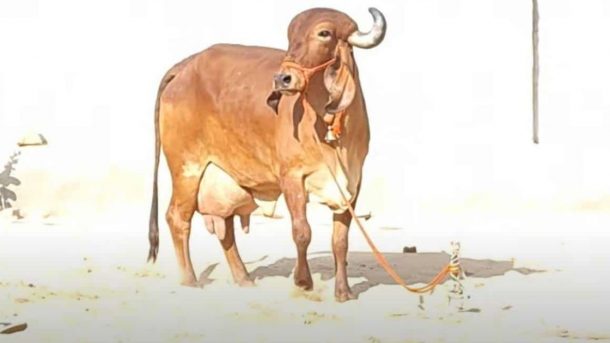
Gir cattle are considered as one of the largest dairy breeds in India, hence has more value. High milk production capacity. Also, the milk from the cows is considered to be of the premium quality due to the presence of A-2 beta casein protein substance. Low maintenance structure needed for farming Gir cows. The average lifespan of the cow is high (12 to 15 years), low mortality rate. Gir breed has high fertility rate and can produce up to 10 calves during its life span.
This cattle breed shows high resistance to diseases. This cow is adaptable to mechanical milking techniques. Natural mating is preferred while rearing this breed rather than artificial insemination techniques. The value of the milk in the market is high.
How feed management is done for Gir cow farming?
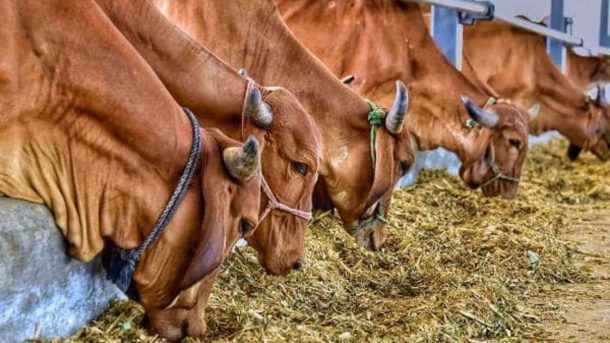
The food that is given to the cows is an important factor that promotes health, production and growth in the cows. The expenditure to feed the cows is almost 50% of the total cost of the farming. Open grazing is essential for reducing the cost of the feed and also provides required nourishment to the cows. Additionally, the Gir cow is fed with green jowar, Bajra straw, groundnut cake, dry fodder, cotton seed cake, soya bean husk, coconut and jaggery. The vegetables that are fed to the cattle include carrot, beetroot and drumsticks. There should be regular feeding routine, but overfeeding should be avoided. All the grains should be provided to the cow in the form of medium ground powder. The feed of the cow should be estimated according to its growing stage and condition such as feed for below 6 months cow, growing animals, lactating cow, bulls etc. Water should be provided in adequate quantity to the cattle at all times.
How salt plays a significant role in Livestock diet?
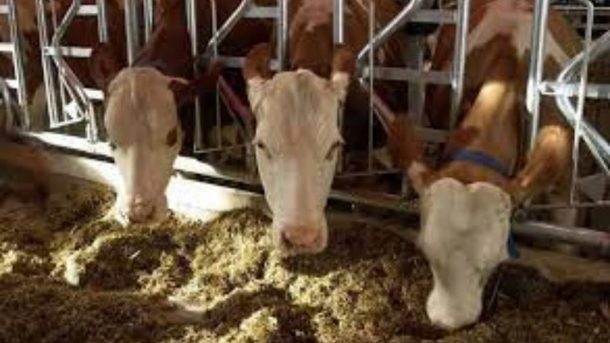
Sodium and chlorine are major electrolyte that contribute to the maintenance of cellular membrane electrochemical gradient also known as the membrane potential.
They are involved in the digestion, absorption and transportation of nutrients from the intestines into the bloodstream. They contribute to the maintenance of blood volume and pressure and they participate in the renin angiotensin-aldosterone system. It is apparent from this impressive list of functions that sodium and chlorine are absolutely essential for the organism and life itself.
What should be done if the ammonia or nitrites or nitrate levels are high within the aquaponic system?
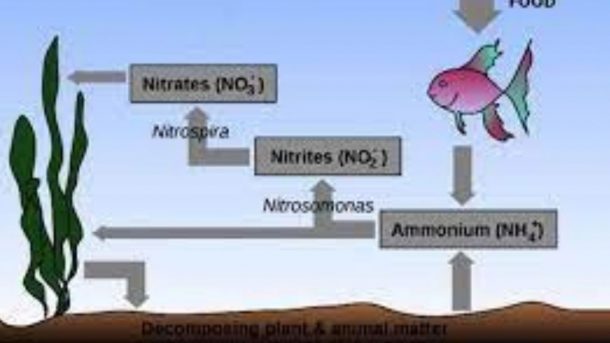
When the levels of ammonia or nitrites are high, then the fish should not be fed, remove the uneaten feed from the tank, pump the tank water for some days and lastly one could salt the system or tank to keep the system balanced.