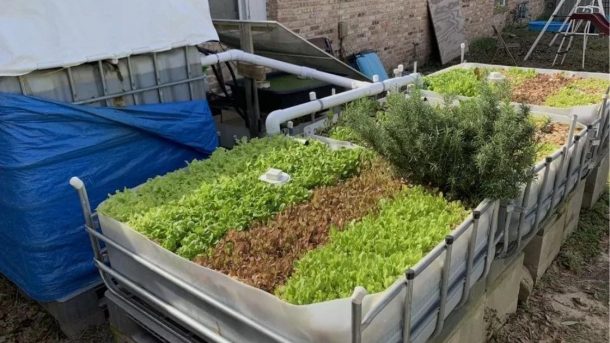
It is considered that Aquaponic systems do not use chemicals for pest and disease control due to the sensitivity of the system. So, the basic ides of pest or disease control in Aquaponics refers to the prevention of these things. Some general management techniques that can keep the Aquaponic farm healthy are biosecurity measures, periodic monitoring and scouting, installing insect screens inside the farm, keeping the farm clean and tidy by removing all the dead and dry matter etc. If by any chance pest or the disease occur within the system, then identify the proper cause and the type of pest or disease and apply suitable biological control. Allowing beneficial insects can be a possible biological control.
Livestock
How do you control the water temperature in the Aquaponics system?
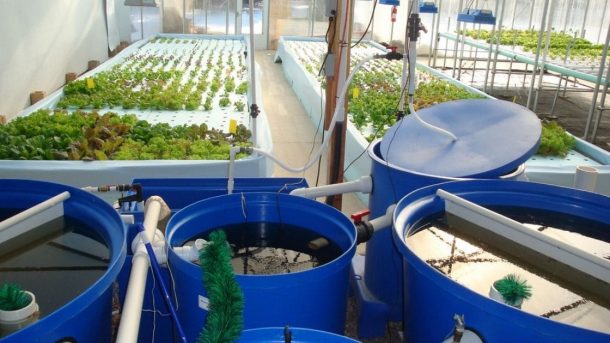
In places with cool temperatures, water or tank heaters are used to control the water temperature in the fish tank. The size of the system defines the no. of heaters required. In warmer areas the tank or system should be planned in a shady place, the lid of the tank should be kept open and aerated. Cooling the water in warm locations needs extra electricity and is difficult. The choice of fish should be proper in such places.
What are the major components of an Aquaponic system and why are they important?
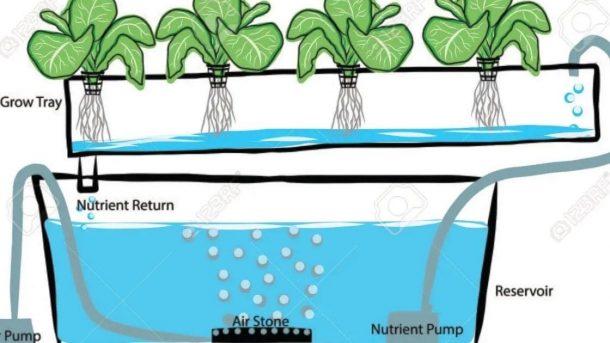
There are three major components of an aquaponic system and they are plants, fish and bacteria. They are considered important because it is due to these components that the entire system functions. The fish grow and live because the bacteria present in the media removes the toxins from the wastewater and supplies it to the plants, which in turn absorb the required nutrients and filter the water to be reused by the fish in the tank.
What is the fish to plant ratio in Aquaponics?
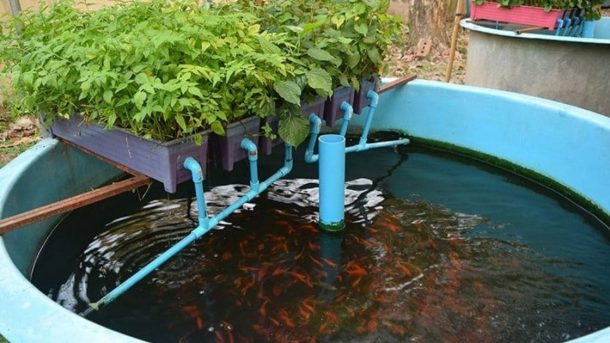
Generally, the fish to plant ratio defines the feeding rate ratio of the fish so as to supply enough nutrients to the plants in the hydroponic system. It is estimated that to develop a hydroponic area of 16.7 Sq. m, the fish should be fed with 1000g of feed each day so that the feeding rate ratio is 60 g/sq.mt/day. The feeding rate ratio depends on multiple factors like the hydroponic system, plants behind cultivated, chemical composition of water, solid waste loss of filtration etc.
How do fish waste help plants to grow?
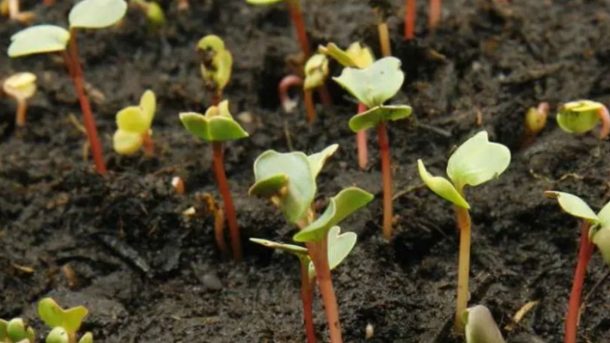
The waste from the fish in the water is collected into a tray set up for the hydroponic crops. This waste water is toxic to the fish but acts as fertilizer to the plant. A naturally occurring bacterium called the nitrifying bacteria converts the waste water into useful nutrients for the plants to absorb. When plants take up these nutrients, the water is cleaned and sent back to the fish tank.
Does Aquaponics save water?
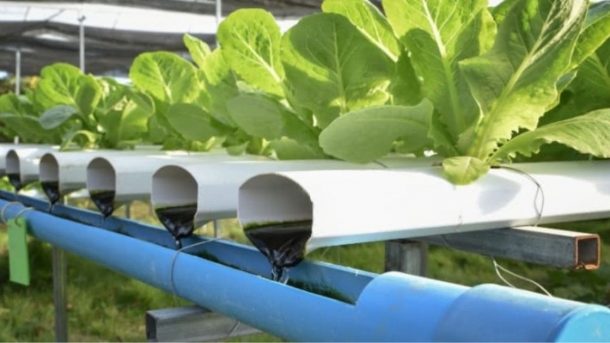
In traditional agricultural practices, the water supplied to the plants is lost either through evaporation or due to runoff and doesn’t reach the plants roots properly. Using the best drip irrigation method also cut the water requirement only one-fourth and is in no way comparable to Aquaponic systems. The Aquaponic system uses every bit of water over and over again because the n off water that is not used by the plants is recaptured, sent into the aquaculture tank where it gets nutrient rich by the fish waste and is possibly returned to the plants after detoxification. So obviously, Aquaponics saves water to a large extent and the only form of water loss in these systems could be leaking or evapotranspiration.
Why is Aquaponics so important?
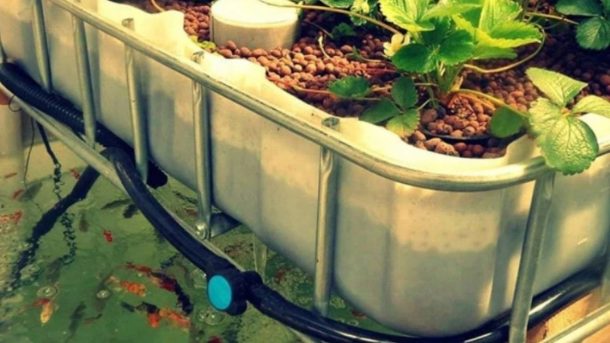
Aquaponics has become increasingly important because of the unending benefits it offer to the urban population. The major factor that makes it important is 90% less water consumption when compared to traditional farming. This system encourages the growth of the plants throughout the entire year with minimal use of chemicals solving the food security and safety possible for the present population. This system also helps people in drought struck areas to produce food which is an interesting and attractive feature.
What are the advantages of Aquaponics?
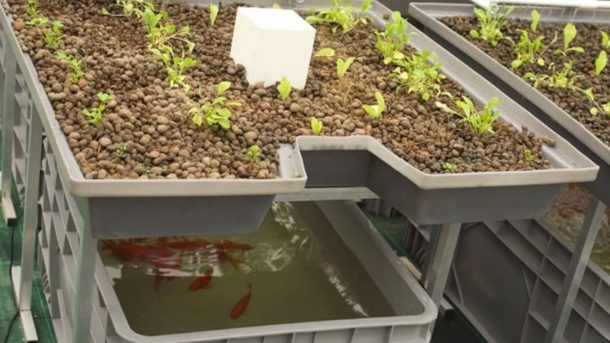
The major advantages of Aquaponics are Low water and power usage, environmentally friendly, Basic inputs to the system are fish feed and water, no use of chemical fertilizers and less use of pesticides, Easy and fast to grow plants, less occurrence of diseases, Crop produce is available all year round, Higher production, A variety of crops and fish can be grown in one system, Revenue is higher because of the fish and crop produce simultaneously, Use less land.
What is the process of Aquaponics and how does this system work?
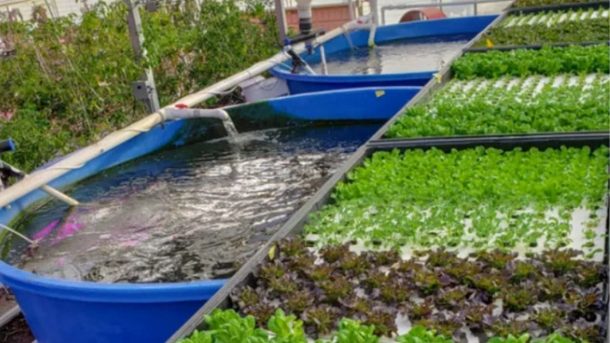
Aquaponics is an integrated system of aquaculture and hydroponics working together in harmony with each other. The process involves the utilization of fish waste as a source of nutrients for the plants and plants use up the nutrients and filter the waste naturally providing fresh water to the fish. Nitrifying bacteria present in the medium help in converting waste water into organic manure.
How many acres of land are required for each goat or how much space do goats need?
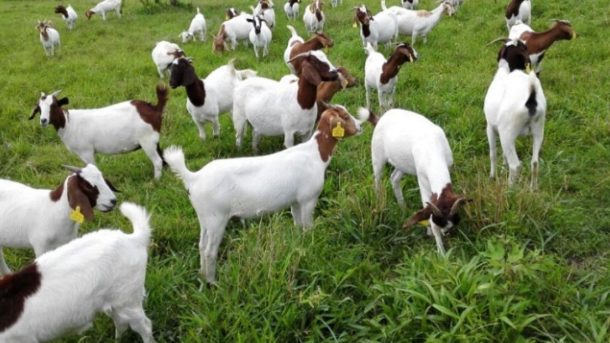
If the land quality is low, then the no of goats to be raised per acre of land would be around 2 to 4. Else if the land is good pasture, then 6 to 8 goats can be raised comfortably in 1 acre. Unlike the free-range goats, the ones that are raised indoors need 20 sq. ft of area per goat. Each adult goat many need 4 to 5 ft kidding pen area within the shelter.